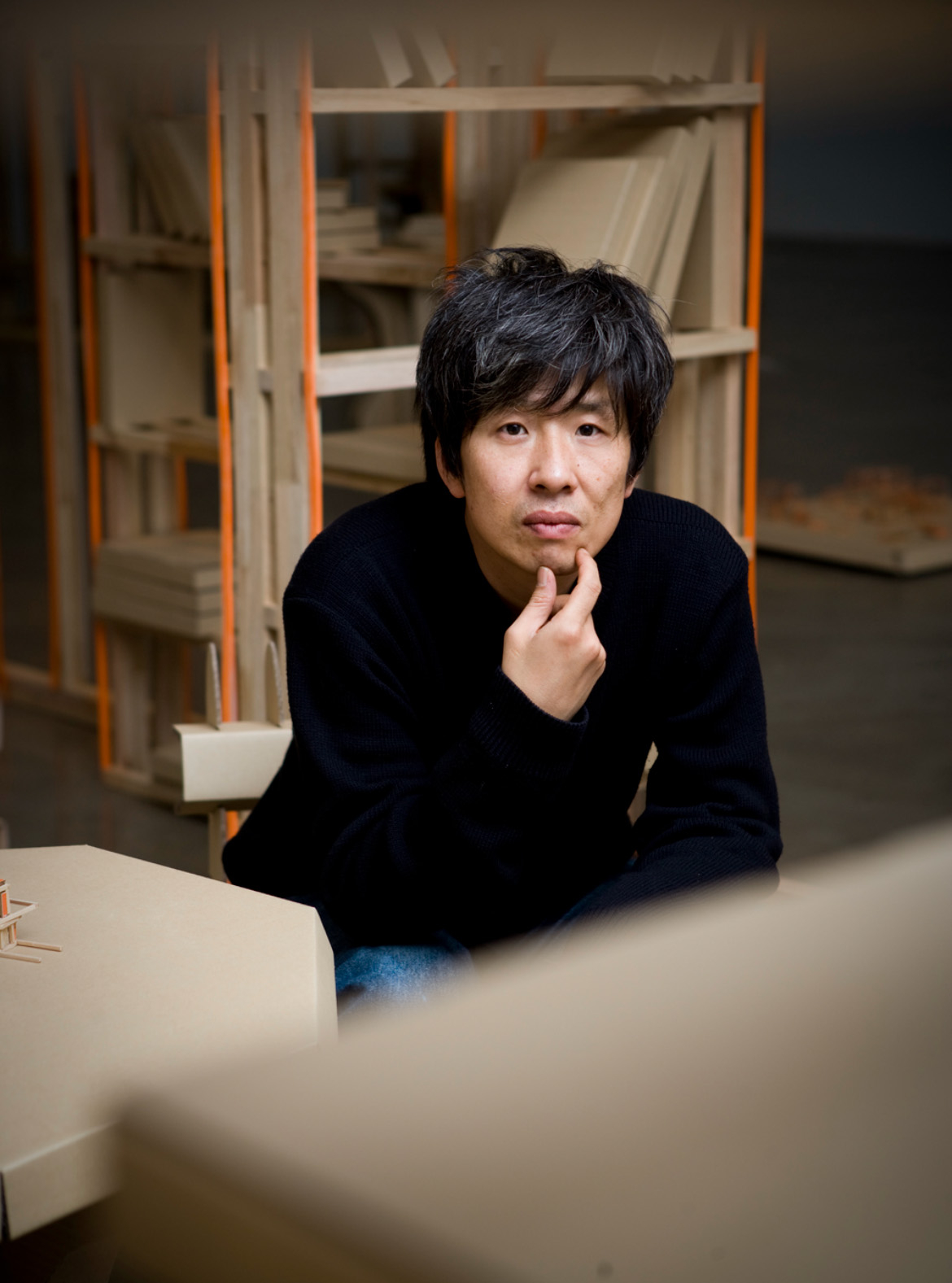

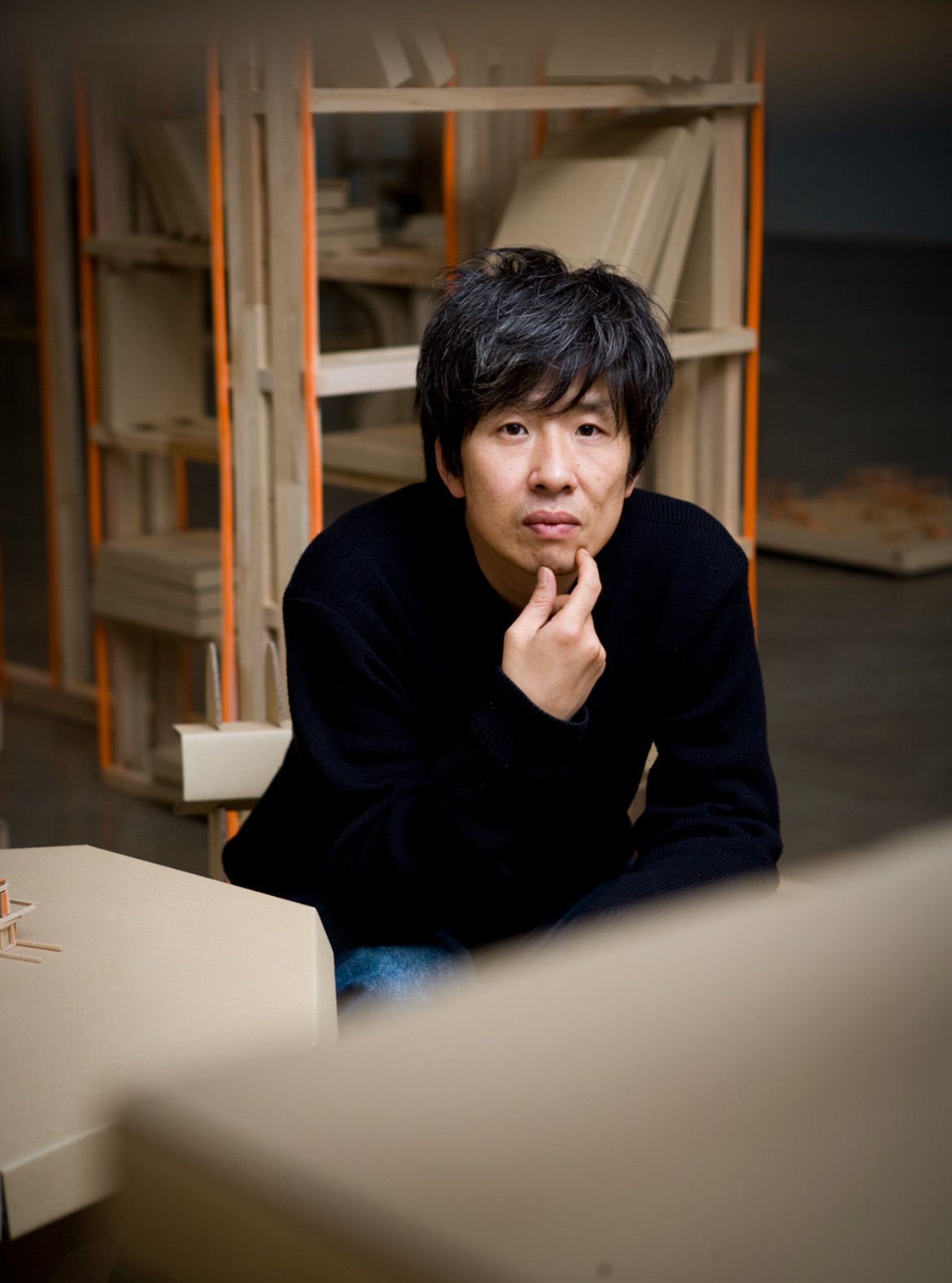
Artist Bae Young-whan (1969-2026) © BB&M
On June
19, Bae Young-whan, a prominent figure in Korean contemporary art, passed away
at the age of 57.
A
central figure in the generation that gained international recognition in the
early 2000s, Bae—alongside close friends and colleagues like Lee Bul and Haegue
Yang—was renowned for conceptually incisive work that bridged Korea’s complex
artistic legacy with global discourses on modernity and society.
Across
painting, sculpture, and public interventions, he created a body of work deeply
attuned to an authentic vernacular of the Korean experience.
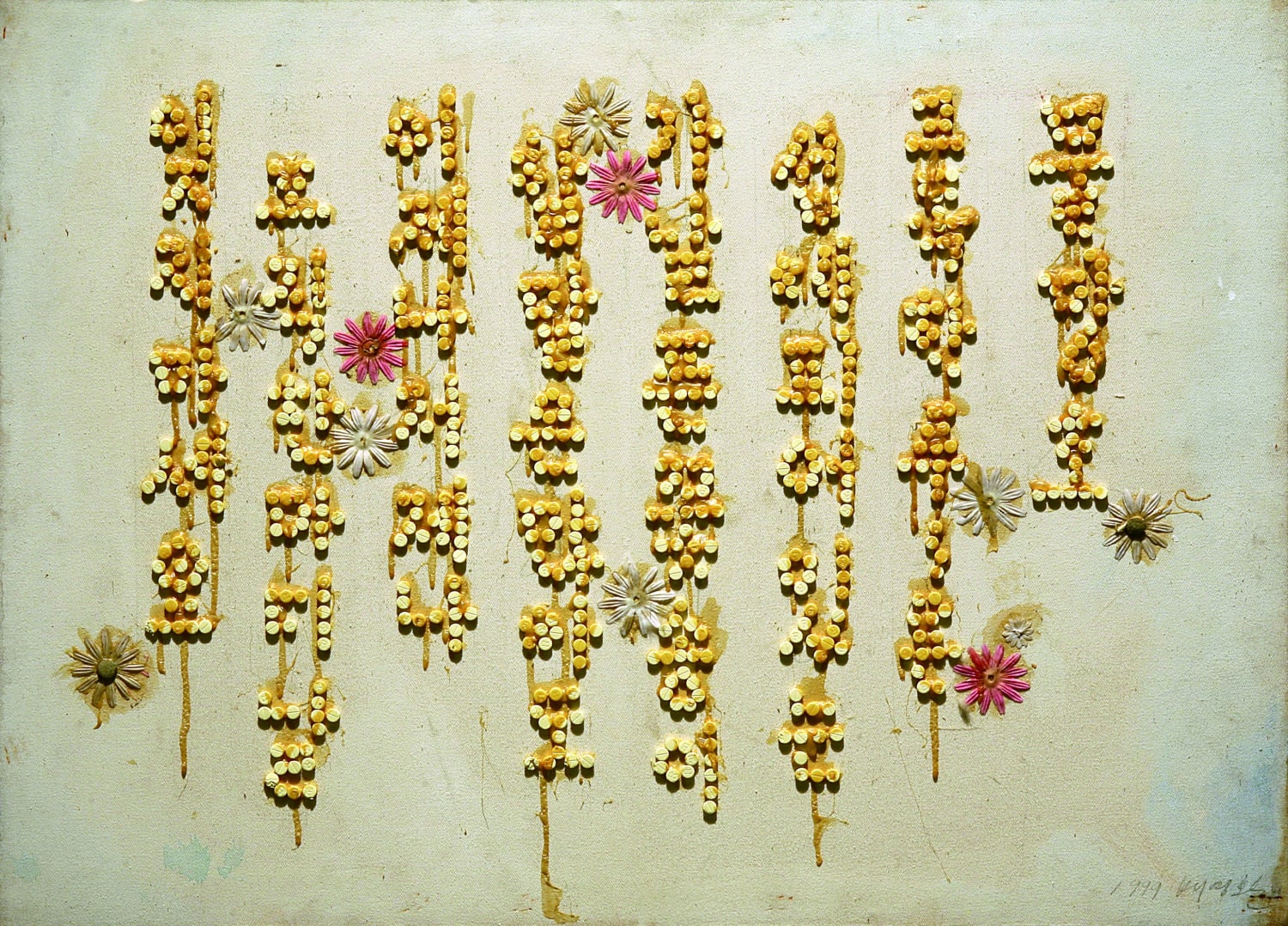
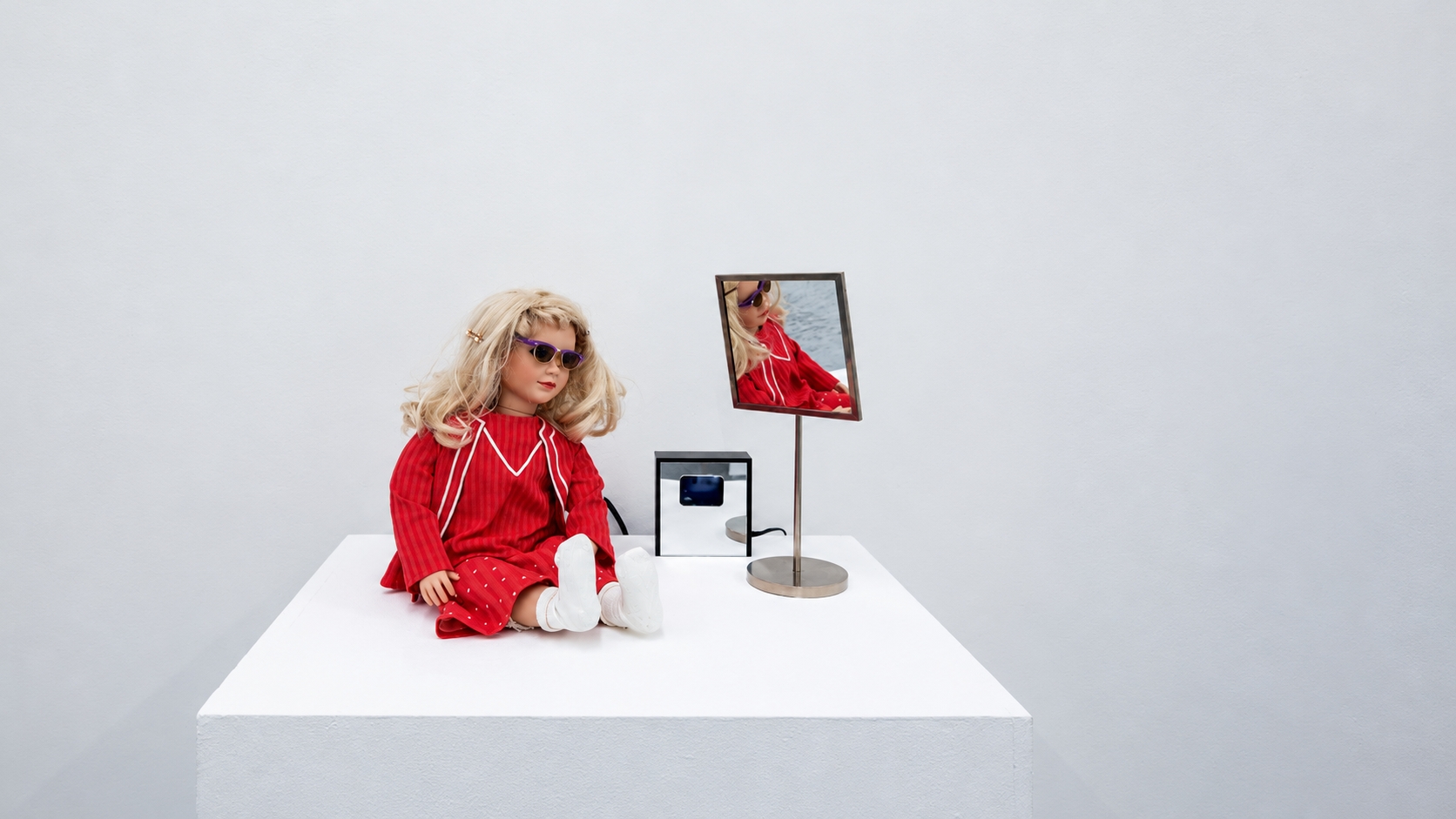
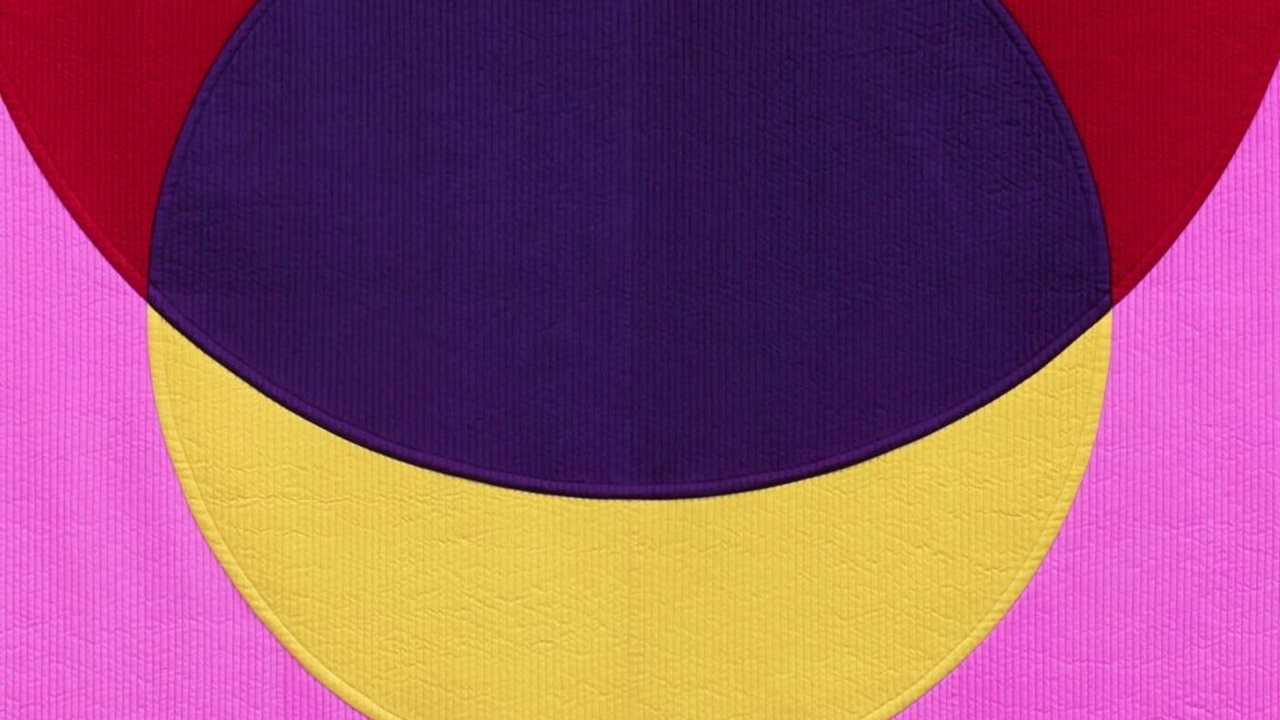
Bae Young-whan, Pop Song 2 – Forget Me Not, 1999 © BB&M
Born
in Seoul in 1969 and educated in Oriental Painting at Hongik University, Bae
was widely recognized for transforming marginalized objects, urban landscapes,
and collective memories into a distinctive artistic language of his own.
Drawing
on everyday materials such as discarded construction-site timber, broken glass
bottles, pills, and popular song lyrics, he captured the complexities of
individual lives and social experiences with remarkable sensitivity and
insight.
Bae
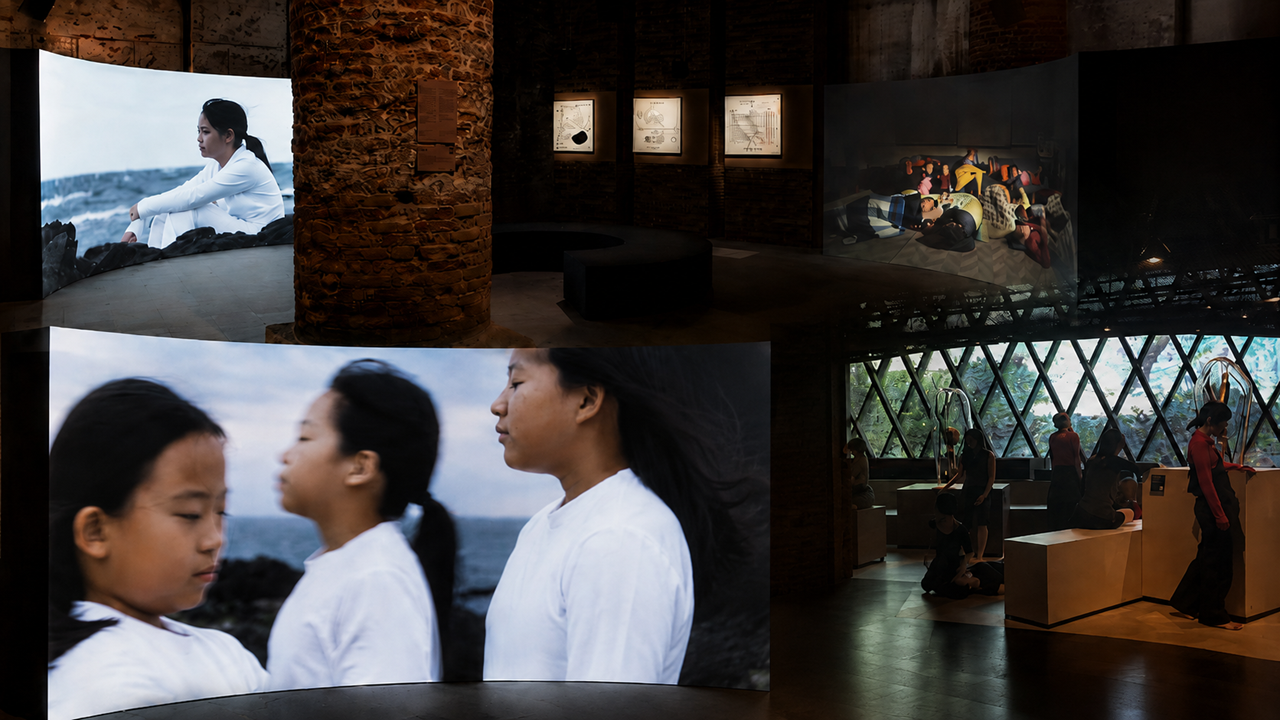
exhibited extensively at major institutions both in Korea and abroad, including
the MMCA, the Seoul Museum of Art, the Mori Art Museum, and the New Museum. He
also participated in internationally renowned exhibitions such as the Korean
Pavilion at the Venice Biennale and the Gwangju Biennale.
Throughout
his career, he received numerous accolades, including the Today’s Young Artist
Award and the Korea Public Design Award.
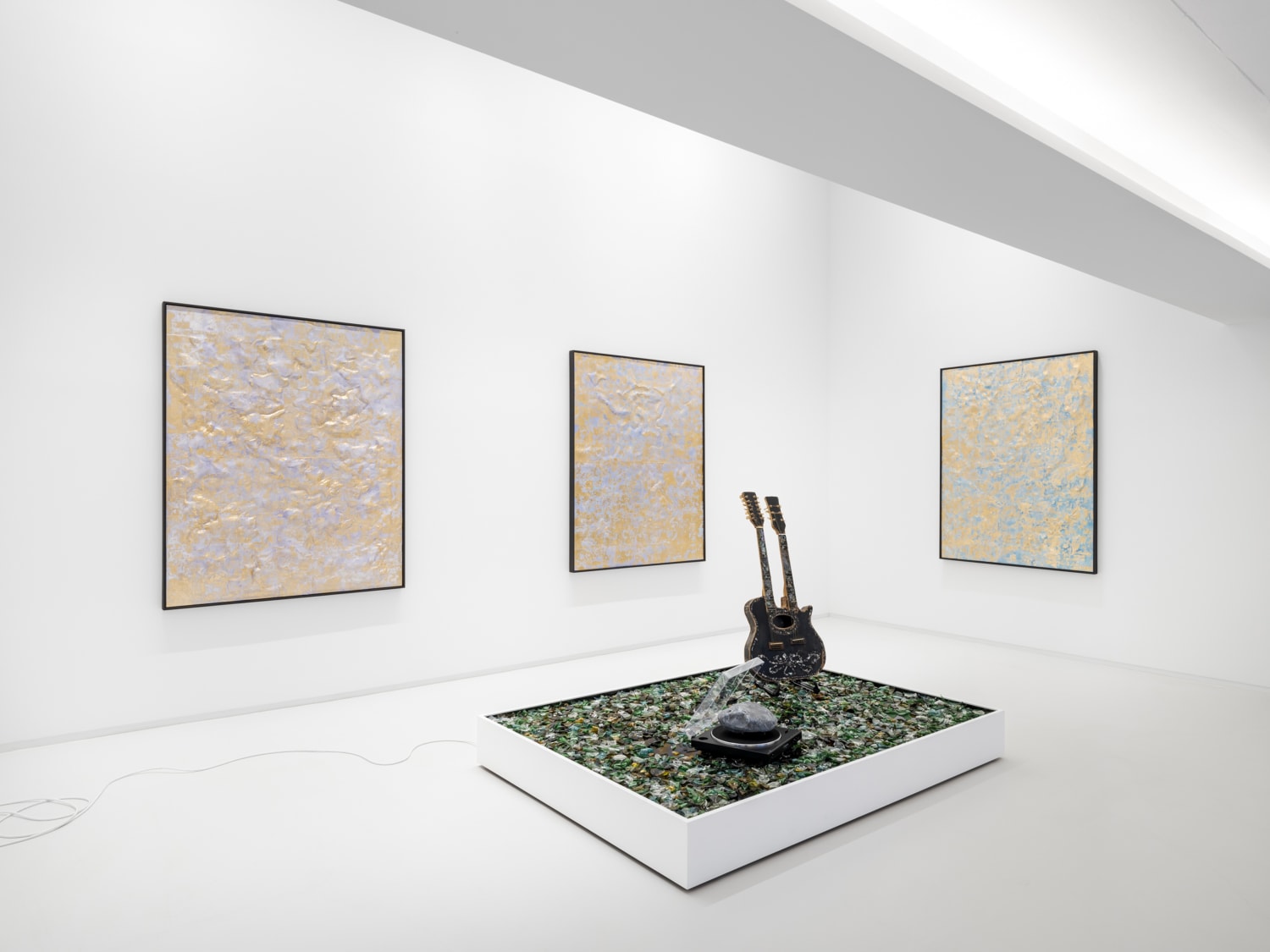
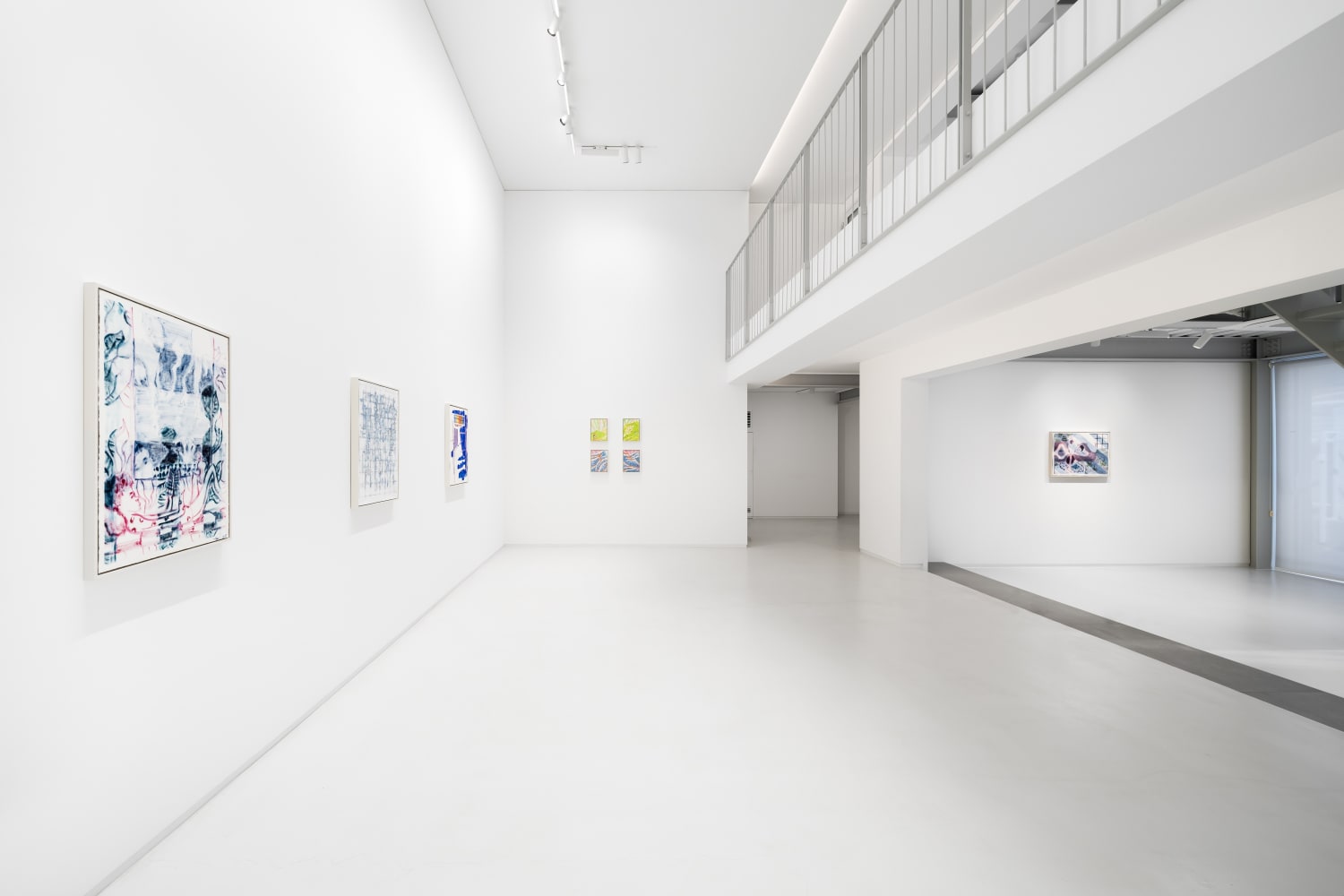
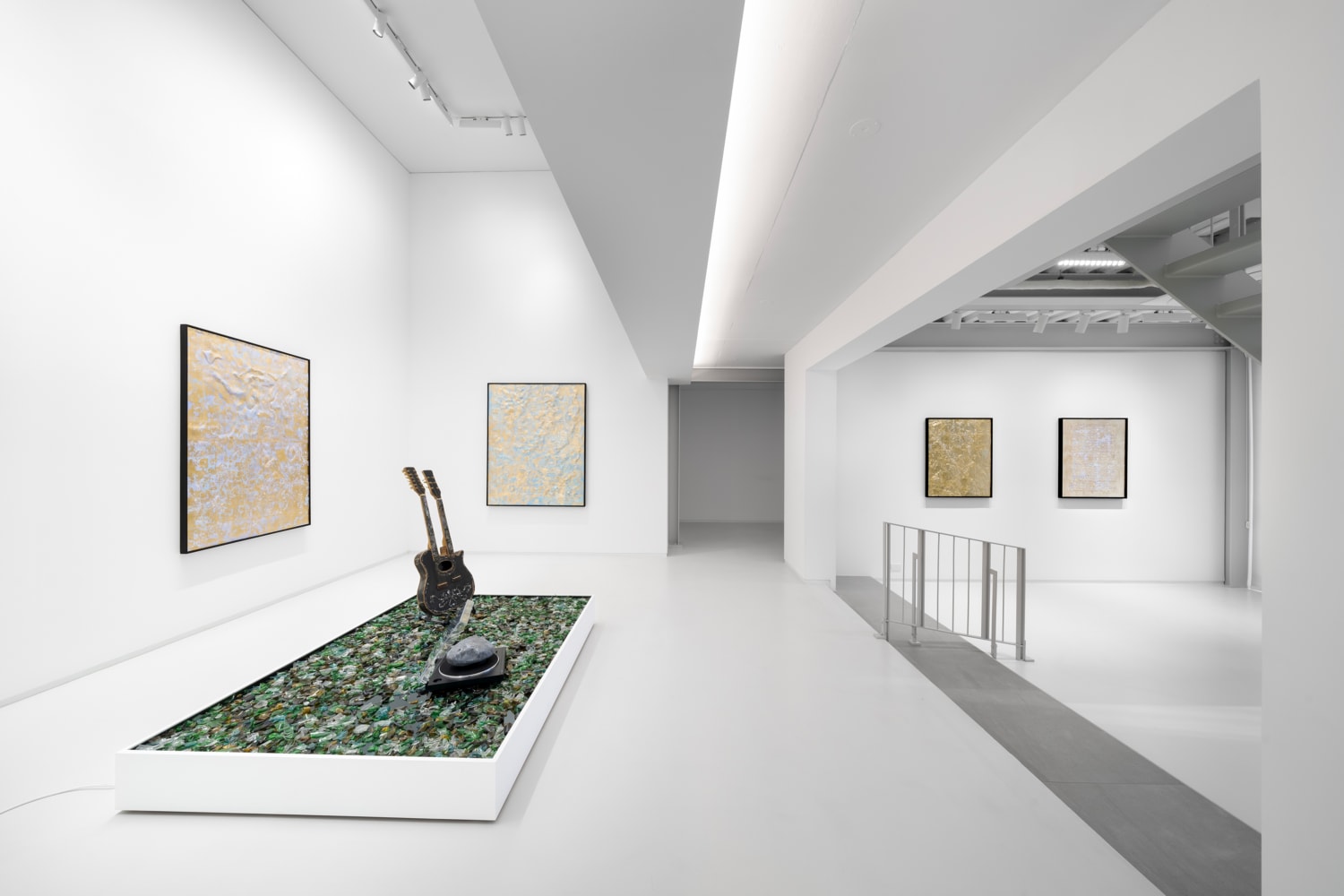
Installation view of 《So Near So Far》 (BB&M, 2024) © BB&M
Throughout
his life, Bae often remarked that “art should serve as a source of comfort and
healing, much like a popular song.” Through familiar and everyday forms, he
practiced an art that spoke directly to lived experience and offered solace to
those around him.
The
warmth and compassion conveyed through his work remain with us still,
continuing to offer quiet comfort and encouragement to those navigating the
ordinary rhythms of daily life.
“If
we could each find the dignity that already exists within us, we could change
the world. This is why we must value differences, not sameness. … I want to
sing of the dignity in our humble selves.” - Bae Young-whan