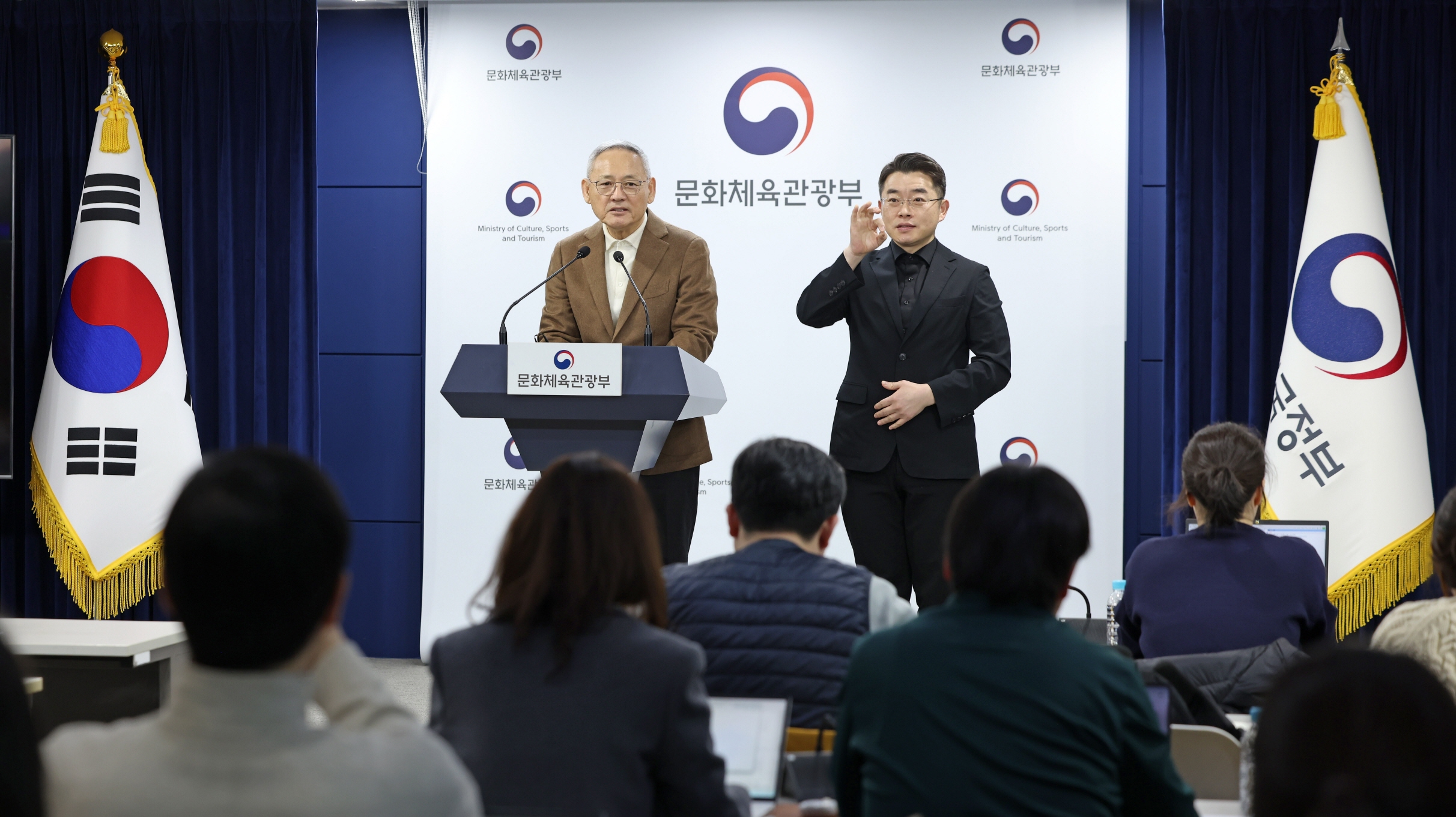

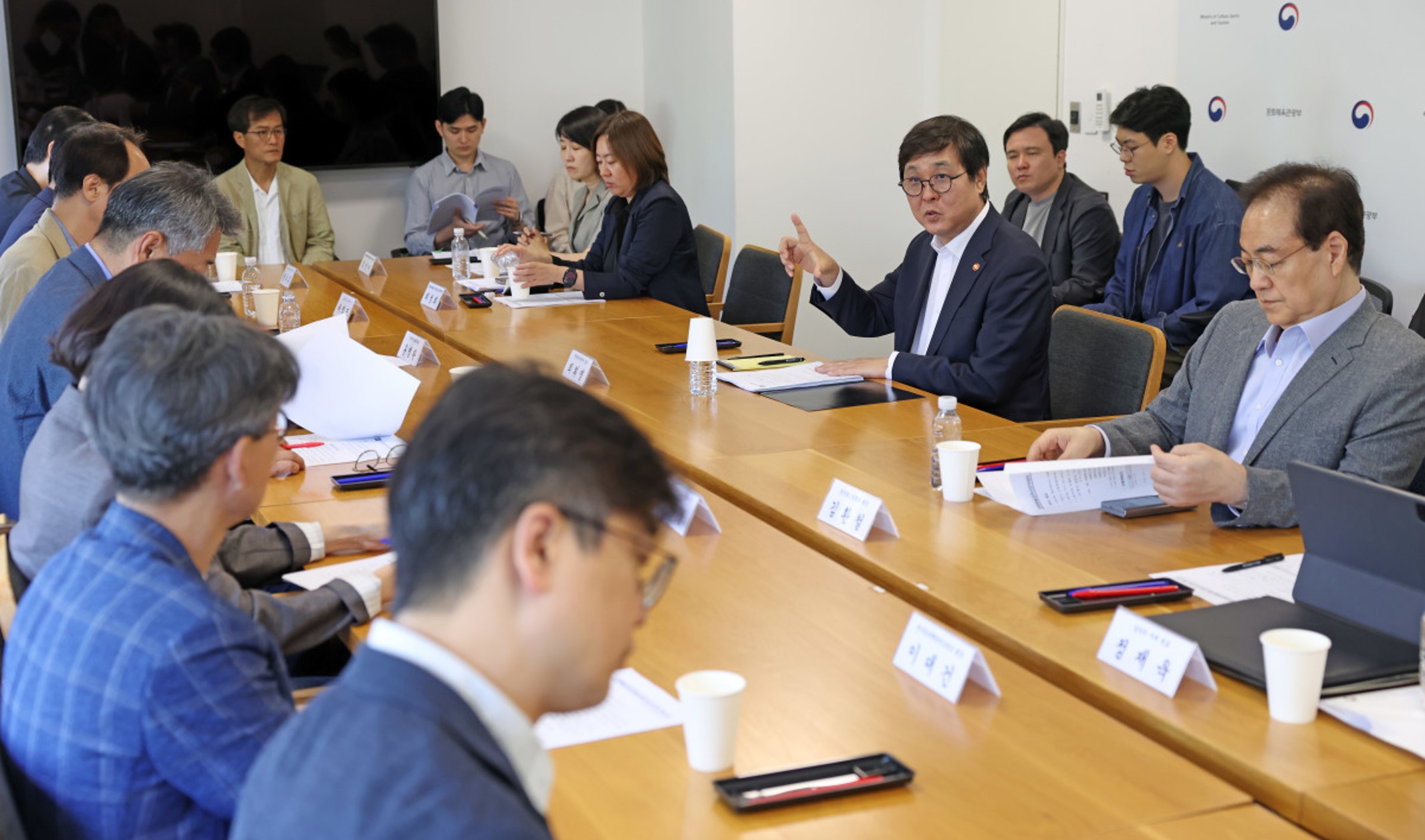
Minister of Culture, Sports and Tourism Choi Hwi-young speaks at the third meeting of the Visual Arts Subcommittee of the Cultural and Arts Policy Advisory Committee, held on October 30, 2026, at the National Museum of Modern and Contemporary Art, Korea (MMCA), Seoul. / Photo: Ministry of Culture, Sports and Tourism.
The Ministry of Culture, Sports and Tourism
(MCST) has proposed a budget of KRW 101 billion (approximately USD 75.8
million) for the visual arts sector in 2027. This figure includes
infrastructure projects such as the Danginri Culture and Creation Hub.
Excluding
facility-related projects, the budget for artistic creation, distribution, and
public engagement amounts to KRW 42.6 billion (approximately USD 32.0 million),
an increase of 3.4% from the previous year.
The government has identified expanded
support for artists, the promotion of art criticism, the restructuring of
international exhibition support, the development of creative spaces, and the
cultivation of emerging artists as its principal policy priorities.
In
particular, funding for artists at different career stages will increase from
KRW 300 million (approximately USD 225,000) to KRW 2.6 billion (approximately
USD 1.95 million), while KRW 4.1 billion (approximately USD 3.08 million) has
been allocated to the Korean Art Global Scale-up Program, reflecting an
expansion of support for artistic creation and international exchange.
Beyond the increased allocations, the
central issue raised by the proposed budget is the effectiveness of South Korea’s
existing visual arts support policies. It is necessary to examine how far
public funding programs have improved working conditions for artists and what
lasting contributions they have made to the development of Korean contemporary
art and its institutional infrastructure.
Particular attention should be given to
whether the design of funding programs, budget allocation, recipient selection,
evaluation criteria, and post-project assessment are structured to support the
fundamental development of artistic practice.
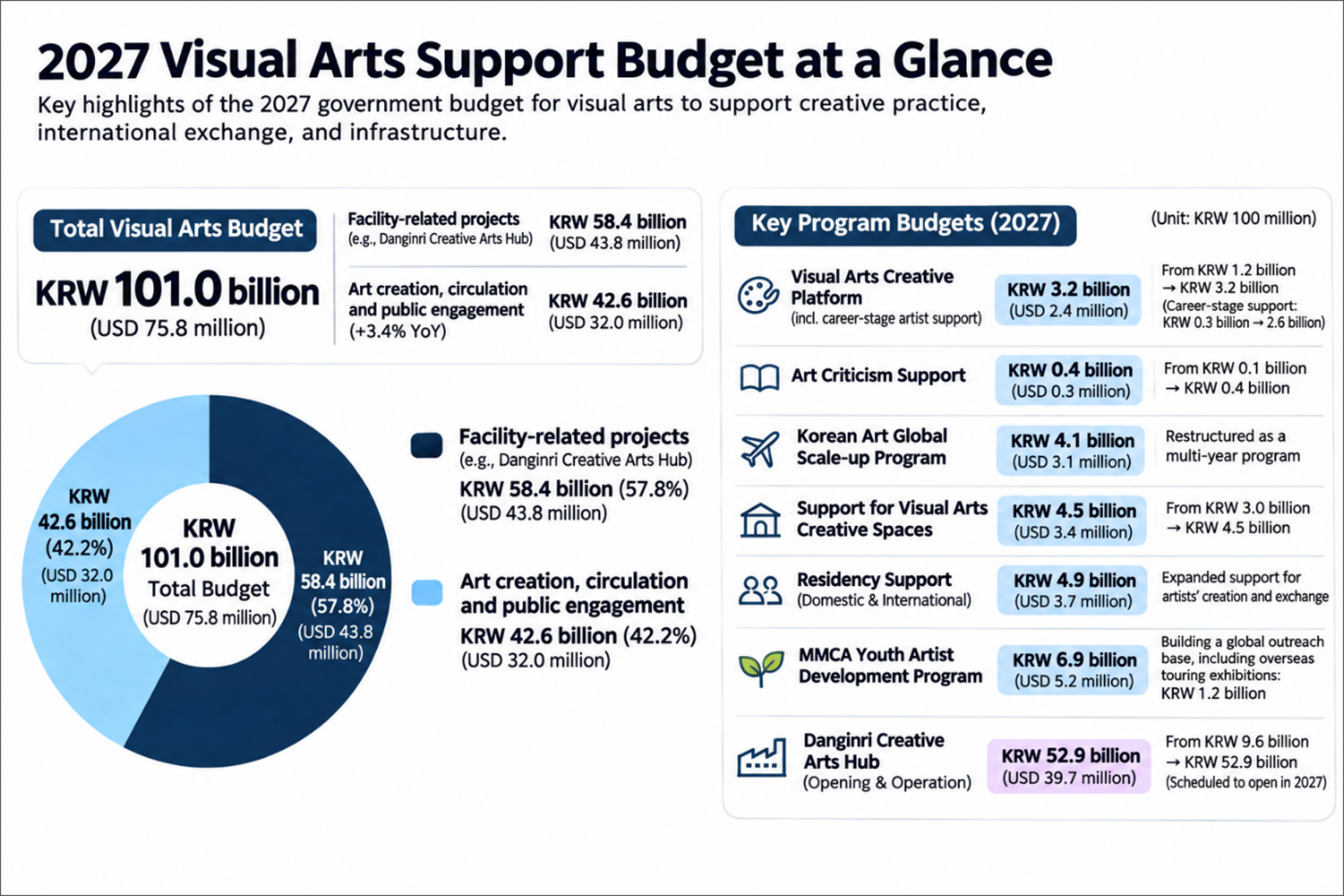
2027 Visual Arts Support Budget Overview
Expanded Funding for Artistic
Practice and Art Criticism
One of the most notable aspects of the 2027
budget proposal is the substantial increase in direct support for artists.
Funding for the Visual Arts Creation
Support Program will rise from KRW 1.2 billion (approximately USD 900,000) in
2026 to KRW 3.2 billion (approximately USD 2.40 million) in 2027. Within this
program, support for artists at different career stages will increase from KRW
300 million (approximately USD 225,000) to KRW 2.6 billion (approximately USD
1.95 million), while funding for art criticism will grow from KRW 100 million
(approximately USD 75,000) to KRW 400 million (approximately USD 300,000).
Expanding support according to artists’
career stages and increasing resources for art criticism are meaningful policy
directions. Art criticism, in particular, plays an essential role in
interpreting artworks and exhibitions, generating new aesthetic discourse, and
connecting artistic practice to research and documentation.
However, the effectiveness of artist
support depends on more than the amount of funding available. Selection
criteria, the duration of support, and the extent to which programs accommodate
the particular conditions of artistic practice are equally important.
A central issue is the emphasis on tangible
deliverables within public funding programs. Many programs require exhibitions,
artworks, or events to be completed within a fixed period, followed by the
submission of documented results. Yet the exploration of new artistic
languages, aesthetic experimentation, and sustained research do not necessarily
produce immediately visible outcomes.
An even more fundamental concern is the
tendency for artistic projects to be developed around the objectives and
evaluation criteria of funding programs. Supporting artists as they pursue
their own questions and creative methodologies is fundamentally different from
requiring them to formulate projects that satisfy predetermined application
requirements.
When funding structures encourage the
latter approach, proposal-writing skills and project management capabilities
may become decisive factors in selection, regardless of the depth or
originality of the artistic inquiry itself.
Public funding should establish conditions
that enable artists to pursue independent research and creative practice rather
than encourage the production of outcomes tailored to funding requirements.
Likewise, support for art criticism should
extend beyond the short-term production of articles and reviews to facilitate
sustained research, scholarly and critical publishing, and the development of
archives.
International Expansion Support
Restructured as a Multi-Year Program
The government has allocated KRW 4.1
billion (approximately USD 3.08 million) to the “Korean Art Global Scale-up
Program”, designed to support Korean artists’ international activities.
To address the limited preparation periods
associated with previous single-year grants, the government plans to
restructure international exhibition support into a multi-year program. Under
the proposed model, Korean artists and international curators will prepare
exhibitions during the first year, with the exhibitions presented at overseas
venues in the following year.
Allowing sufficient time for exhibition
planning represents a positive development. Collaboration with international
art institutions requires extensive preparation, including artist research,
artwork selection, curatorial development, transportation, installation, and
publicity.
However, the effectiveness of international
expansion programs should also be assessed beyond the exhibitions themselves.
Their long-term value depends on whether they lead to sustained institutional
partnerships, further research and criticism, publications, acquisitions, and
subsequent exhibition opportunities.
An artist’s position within the
international art world develops through the accumulation of such activities
over time. Accordingly, the program should be evaluated primarily on its
ability to establish lasting foundations for international artistic engagement
rather than simply on the number of exhibitions presented.
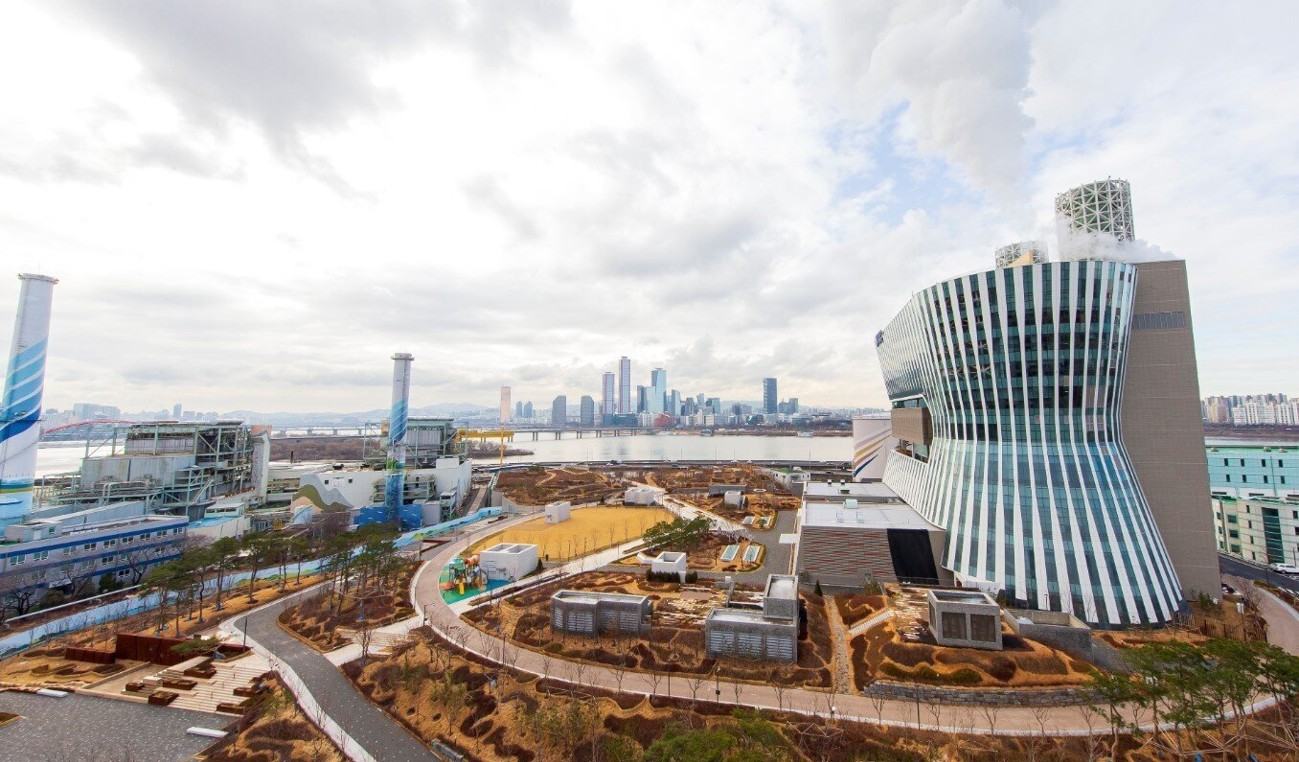
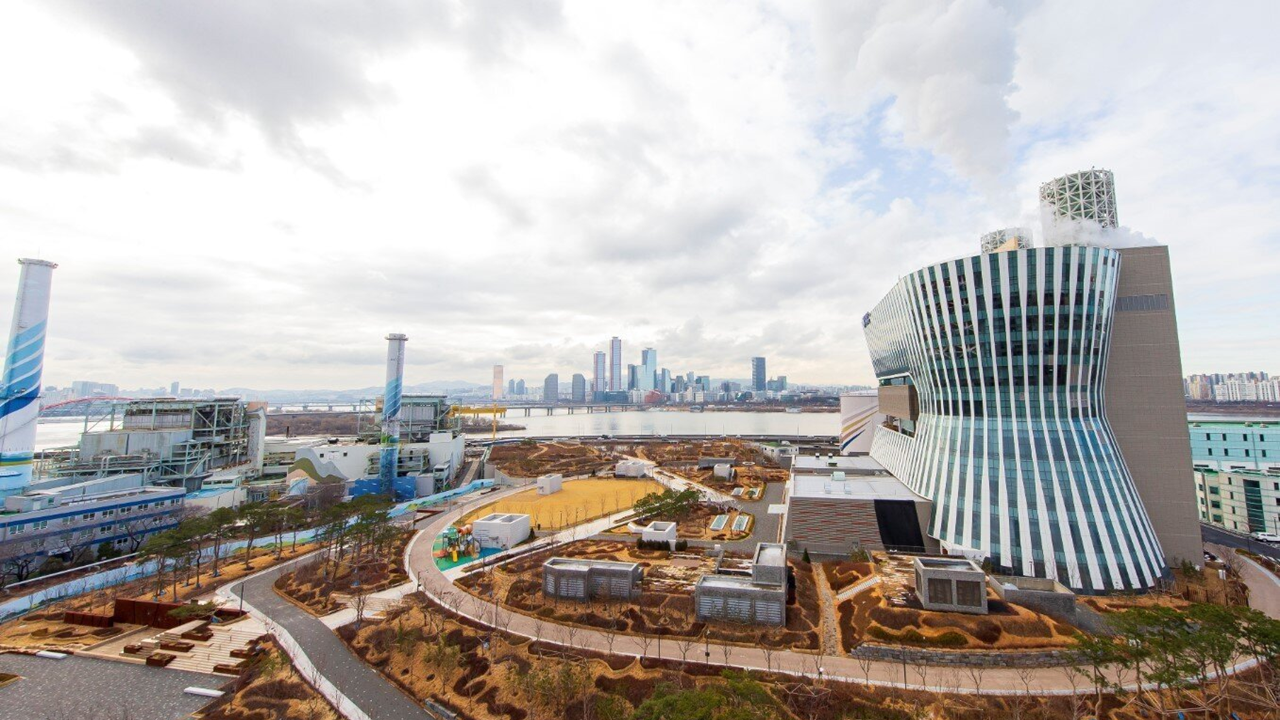
View of the park developed during the first phase of the aboveground redevelopment of the Seoul Combined Cycle Power Plant site. / Photo: Mapo-gu District Office.
Support for Exhibition Spaces
and the Danginri Culture and Creation Hub
Funding for visual arts creative spaces
will increase from KRW 3 billion (approximately USD 2.25 million) in 2026 to
KRW 4.5 billion (approximately USD 3.38 million) in 2027. Approximately KRW 4.9
billion (USD 3.68 million) has also been allocated to domestic and
international residency programs.
Independent exhibition spaces and smaller
regional art institutions play important roles in introducing emerging artists
and experimental practices while providing opportunities for artistic
production and research. Stable support for these spaces can contribute to
maintaining the diversity of South Korea's art ecosystem.
Meanwhile, the Danginri Culture and
Creation Hub, currently under development in Seoul's Mapo District, is
scheduled to open in 2027. The government has allocated KRW 52.9 billion
(approximately USD 39.7 million) for the project, including its opening and
operation, a substantial increase from KRW 9.6 billion (approximately USD 7.20
million) in the previous year.
The project involves converting former
power plant facilities into a multidisciplinary cultural and arts complex. Its
stated policy objectives include fostering experimental artistic creation and
expanding the social value of art.
However, such expressions are broad
objectives that could apply to almost any public cultural institution.
Demonstrating the necessity of a new facility requires a concrete program
strategy and operational framework capable of translating these objectives into
practice.
Key questions include what forms of
artistic activity the facility will support that existing public museums and
creative spaces cannot adequately accommodate, how its professional management
team will be organized, and how much of its annual operating budget will be
allocated directly to artistic creation and research.
Given the range of national and municipal
museums and public cultural facilities already operating in South Korea,
proposals for new institutions should begin with an assessment of existing
facilities, their utilization, and their operational performance.
It is also necessary to compare the
potential benefits of constructing new facilities with those of strengthening
programs and professional staffing at existing institutions.
The infrastructure required for
the development of Korean contemporary art cannot be measured solely by the
number or physical scale of cultural facilities. The professional quality and
continuity of research, artistic production, criticism, publishing, and
international exchange programs are equally important.
The performance of public cultural
institutions should therefore be assessed not only through construction and
opening milestones but also through the quality of their ongoing programs and
their long-term artistic contributions.
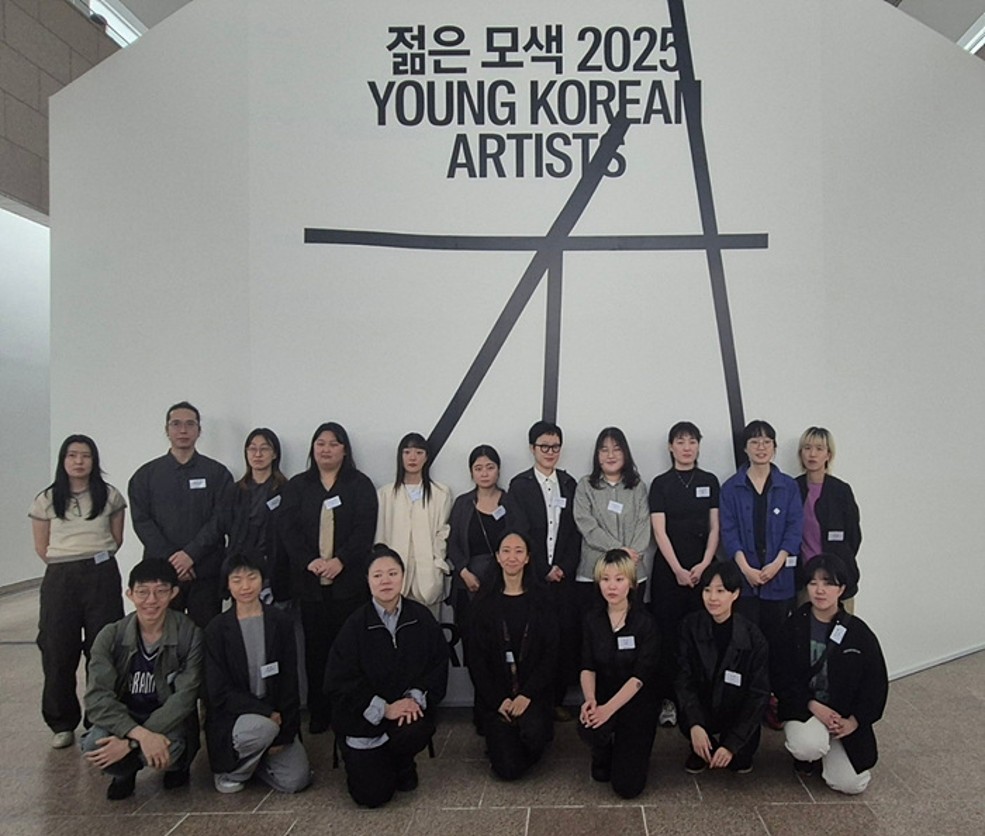
Participating artists of Young Korean Artists 2025 at the National Museum of Modern and Contemporary Art, Korea (MMCA). / Photo: MMCA.
MMCA's Emerging Artist
Development Program
The National Museum of Modern and
Contemporary Art, Korea (MMCA), plans to introduce a new support program for
emerging artists in 2027.
According to media reports, approximately
KRW 6.9 billion (USD 5.18 million) has been allocated to a new program
supporting emerging artists in the fine arts, while an additional KRW 1.2
billion (approximately USD 900,000) has been designated for initiatives
supporting Korean artists' international expansion, including overseas touring
exhibitions.
As South Korea's national institution for
modern and contemporary art, MMCA is responsible not only for collecting and
exhibiting artworks but also for researching, documenting, and presenting
Korean art internationally.
Its emerging artist development program
should therefore extend beyond short-term production grants and exhibition
opportunities. It should be integrated with the museum's professional
functions, including artist research, criticism, publishing, archiving, and
collaboration with international art institutions.
In particular, the criteria for selecting
participating artists, the program's distinction from existing museum
initiatives, and its long-term artist development strategy require
clarification.
Who Designs Cultural Policies,
and What Standards Guide Their Evaluation?
A more fundamental issue raised by the 2027
budget proposal concerns how cultural policies are formulated and how funding
programs are evaluated.
When the government introduces new
initiatives or increases funding, it should explain the criteria used to assess
the achievements and limitations of existing programs and how those findings
have informed subsequent policy decisions.
Professional expertise and objectivity are
equally important in the selection of funding recipients. Criteria such as
artistic merit, originality, and future potential are necessary, but without
clearly articulated standards, decisions may depend excessively on individual
reviewers' subjective judgments.
Assessing artistic value inevitably
involves different interpretations and professional perspectives. For this
reason, reviewers' expertise and independence, evaluation criteria appropriate
to each program's objectives, conflict-of-interest safeguards, and the
accountability of selection decisions are essential.
The practice of evaluating public funding
programs primarily through administrative indicators, such as the number of
exhibitions, participant figures, or budget execution rates, also requires
reconsideration.
Evaluation should examine whether artists
can sustain their creative practices, whether new aesthetic discourse and
research are being accumulated, whether independent art institutions are
developing stronger operational foundations, and whether international
partnerships are producing lasting results.
Although specific evaluation criteria must
vary according to the nature of each program, they should ultimately relate to
the meaningful development of Korean contemporary art.
The Art Community Must
Strengthen Its Capacity for Policy Criticism and Evaluation
The responsibility for examining public
arts policy extends beyond government agencies and administrative bodies.
Art critics, researchers, curators, and art
institution professionals also have a role in analyzing and evaluating policy
objectives, operational frameworks, budget priorities, and long-term outcomes.
When new cultural facilities or expanded
funding programs are announced, critical examination should go beyond repeating
their stated objectives and budget figures. It should address operational
planning, professional expertise, connections with existing policies, and
long-term financial commitments.
It is particularly important to establish
an environment in which professionals involved as beneficiaries, reviewers,
advisers, or administrators of public funding programs can evaluate those
policies independently.
The prospects for improving public arts
policy will be strengthened when the Korean art community consistently examines
not only the scale of government support but also the structure and outcomes of
the funding system itself.
Beyond Budget Increases:
Reconsidering the Structure of Public Arts Support
The proposed 2027 visual arts budget
signals several policy changes, including expanded support for artistic
creation and criticism, multi-year international exhibition funding, increased
support for creative spaces, and new emerging artist development initiatives.
For these measures to contribute
meaningfully to Korean contemporary art, the government must undertake a
comprehensive review of existing approaches to program design, funding
mechanisms, selection criteria, and performance evaluation.
It should explain how previous support
programs have improved working conditions for artists and strengthened research
infrastructure, and how those outcomes have informed new policies and budget
allocations.
It is also necessary to determine whether
the expansion of public cultural facilities is accompanied by improvements in
programming expertise and operational capacity, and whether artists, curators,
researchers, and independent art institutions experience tangible benefits in
their professional activities.
The value of the 2027 visual arts
budget should be judged not by the size of the announced allocations but by the
artistic achievements and sustainable infrastructure that the funding
ultimately contributes to Korean contemporary art.
The future of Korean contemporary art
requires more than the continued expansion of funding programs and public
cultural facilities. It calls for a fundamental reassessment of public arts
policy—one that places artistic autonomy and the long-term development of
contemporary art at its center.
※ Currency note: All USD
equivalents are approximate, calculated at KRW 1,333 per USD for consistency.
They are provided for international readers and do not represent an official
government exchange rate. The figures refer to the proposed 2027 budget, not
finalized expenditure.
Jay Jongho Kim graduated from the Department of Art Theory at Hongik University and earned his master's degree in Art Planning from the same university. From 1996 to 2006, he worked as a curator at Gallery Seomi, planning director at CAIS Gallery, head of the curatorial research team at Art Center Nabi, director at Gallery Hyundai, and curator at Gana New York.
From 2008 to 2017, he served as the executive director of Doosan Gallery Seoul & New York and Doosan Residency New York, introducing Korean contemporary artists to the local scene in New York. After returning to Korea in 2017, he worked as an art consultant, conducting art education, collection consulting, and various art projects.
In 2021, he founded A Project Company and is currently running the platforms K-ARTNOW.COM and K-ARTIST.COM, which aim to promote Korean contemporary art on the global stage.