







On May 29, 2025, the Seoul Museum of Photography (Photography Seoul Museum of Art) opens its doors in Chang-dong, Dobong-gu, Seoul. As the first public art museum in Korea dedicated entirely to the photographic medium, this institution is not merely another museum opening—it is a historic milestone.
2025.05.27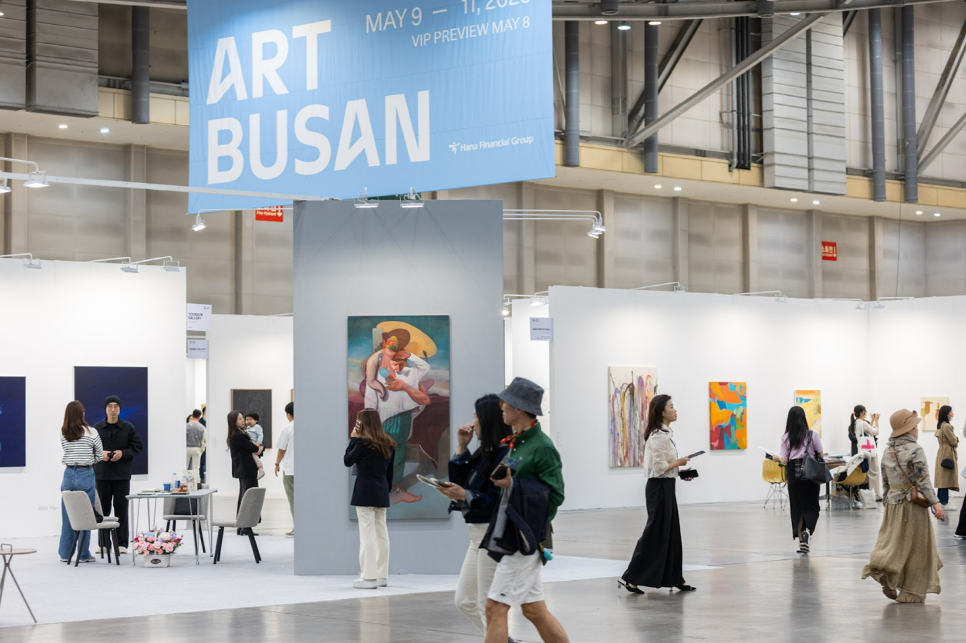
Art Busan 2025 concluded its four-day run on May 11 at BEXCO in Haeundae, Busan. Now in its 14th edition, the fair brought together 109 galleries from 17 countries in an effort to reinforce Busan’s position as a hub of contemporary art in East Asia. However, the outcome reflected more of the current art market realities than a major shift.
2025.05.13
On April 24, 2025, the Ministry of Culture, Sports and Tourism hosted "Art Policy Talk at 3PM" at Art Korea Lab in Seoul under the theme of "Art in the Age of AI." Despite its promising topic, the event ultimately fell short of presenting a deep critical engagement or offering concrete alternatives.
2025.04.29
According to the recently released 2024 Artist Status Survey, 75.7% of artists earn less than 12 million KRW annually, while 31% report having no income at all. The average household income of artists is over 20 million KRW lower than the national average, with severe income disparities particularly evident in photography, literature, and fine arts.
2025.03.11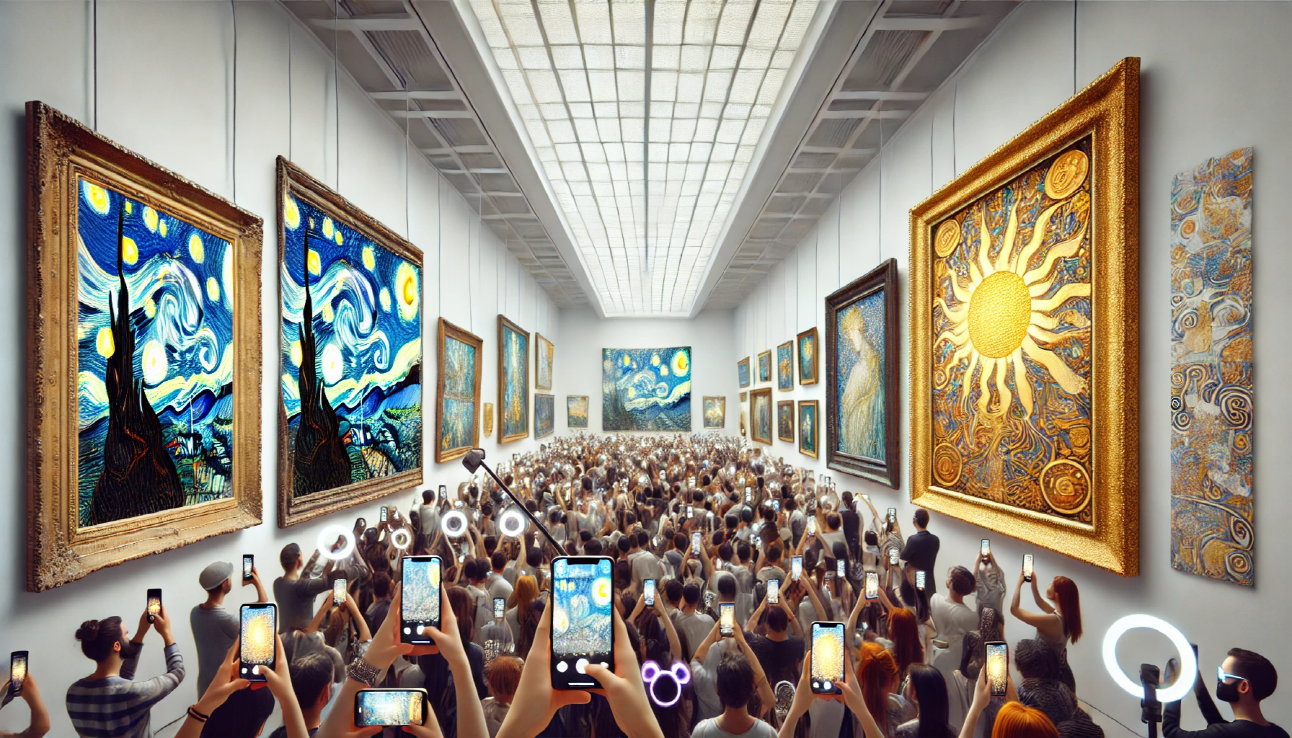
The Korean art scene is experiencing what can truly be called a "blockbuster boom." One after another, exhibitions of internationally renowned artists—Van Gogh, Hopper, Munch, Basquiat—are being held in Korea, resembling the global tours of pop stars.
2025.02.25
Since the 2000s, the Korean art world and art market have undergone remarkable expansion, growing significantly in scale. This growth is reflected in the dramatic rise of the domestic art auction market over the past 24 years. According to research conducted by the Korea Art Price Appraisal Association (Chairman Kim Young-Seok) and Art Price (CEO Ko Yoon-Jeong), the market has expanded 1,830 times during this period.
2025.02.11
Contemporary art today encompasses a wide range of cultures, histories, and social experiences. Artists from Asia, the Middle East, Latin America, and Africa are active in international biennials, museums, galleries, and art markets. Histories and cultures that received insufficient attention within Western-centered accounts of art history have also become important subjects of contemporary art.
2026.10.13
To consider the future of Korean contemporary art, we must first examine the structures and standards through which the global art world operates today. Over the past century, Korean modern and contemporary art has developed by absorbing artistic forms, concepts, and institutions that originated in the West and transforming them within Korea’s own historical and social conditions. Today, however, the situation is different.
2026.09.29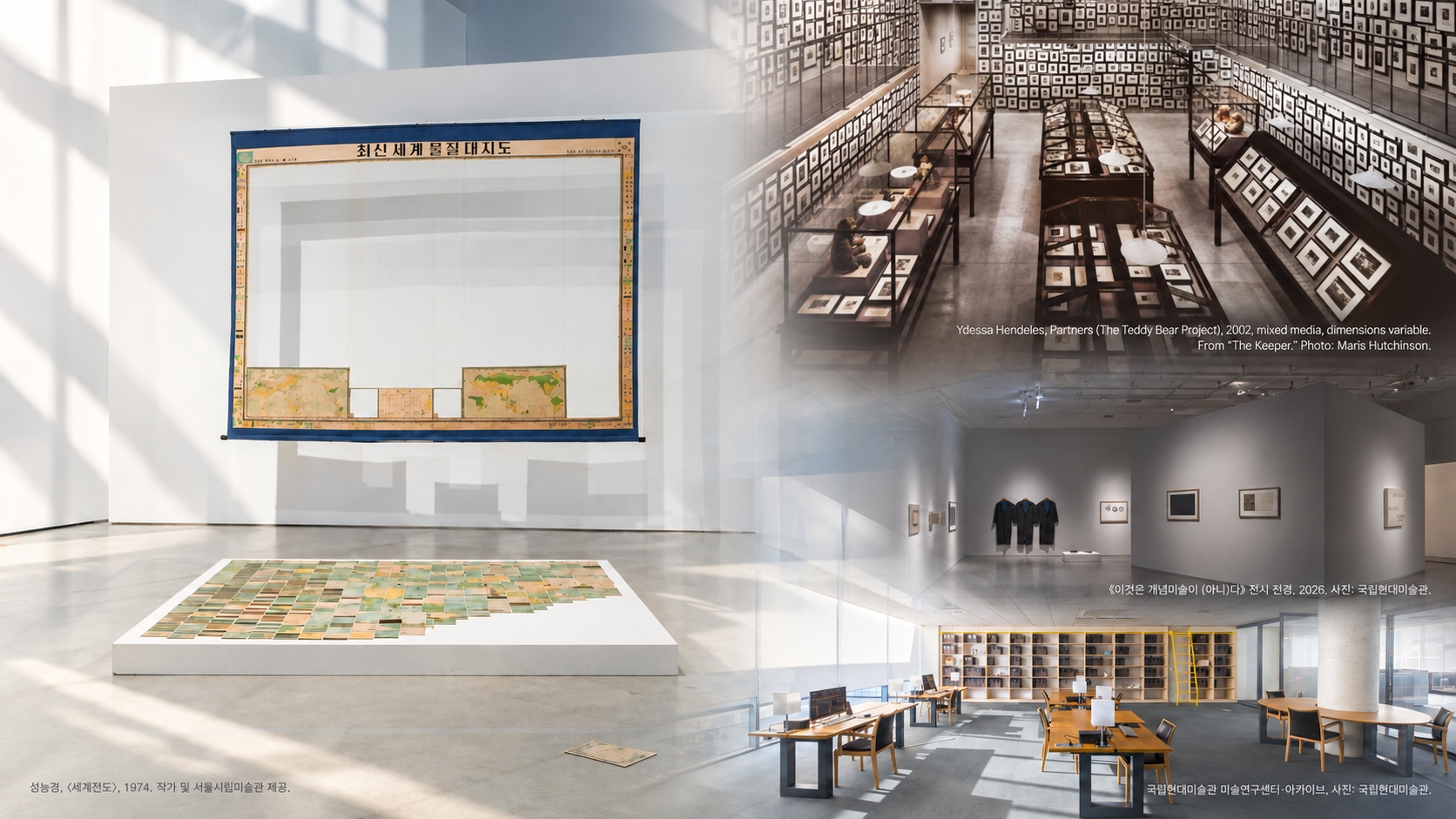
Moving beyond Orientalism entails more than shifting the center from the West to Asia. It requires transforming the structure through which particular actors have classified and evaluated the art of other regions, while developing new values and criteria grounded in diverse histories and experiences. What is needed is a new system of knowledge—one that recognizes the achievements of Western art history as a shared global legacy without treating them as the sole standard of judgment.
2026.09.08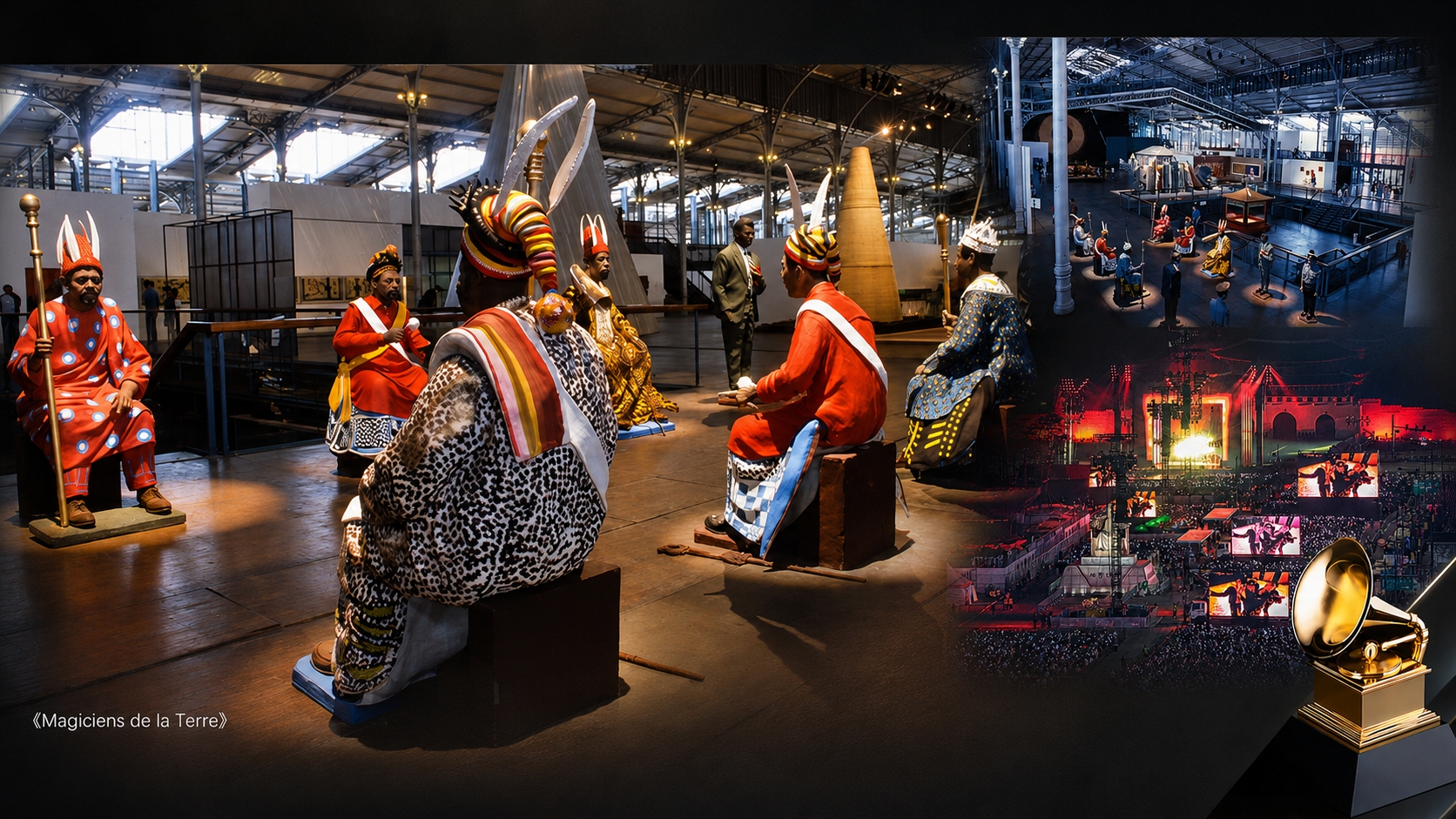
BTS emerged in Korea and developed within the cultural and industrial framework of K-pop. Yet the market in which its music is produced and consumed, as well as its audience and influence, moved beyond Korea’s geographical boundaries long ago.
2026.08.25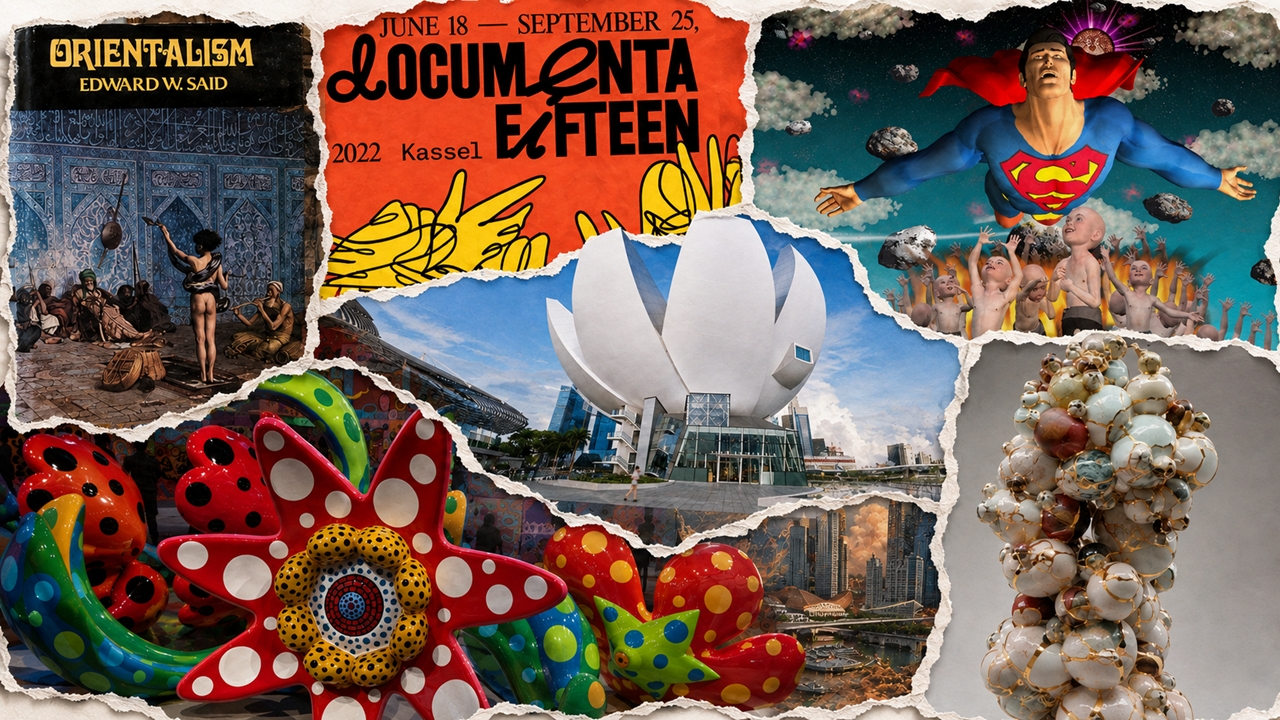
“Asian contemporary art” does not refer to a single shared style or aesthetic. Korea, China, Japan, and the countries of Southeast Asia each have distinct histories, political and social conditions, art institutions, and markets.
2026.08.11
The Anachronism series began by examining how Korean art has continued to understand and organize itself under changing conditions through languages, institutions, and models of success inherited from the past. It considered the recurring tendency to reproduce earlier
2026.07.28