

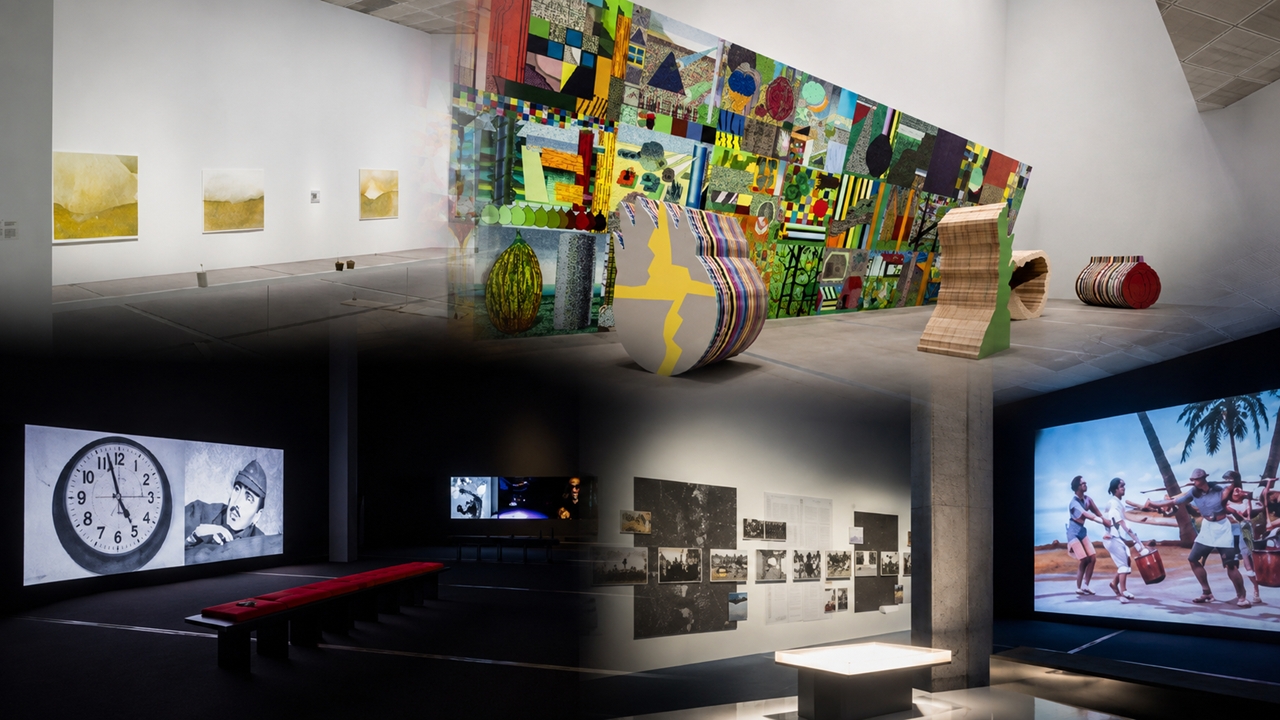
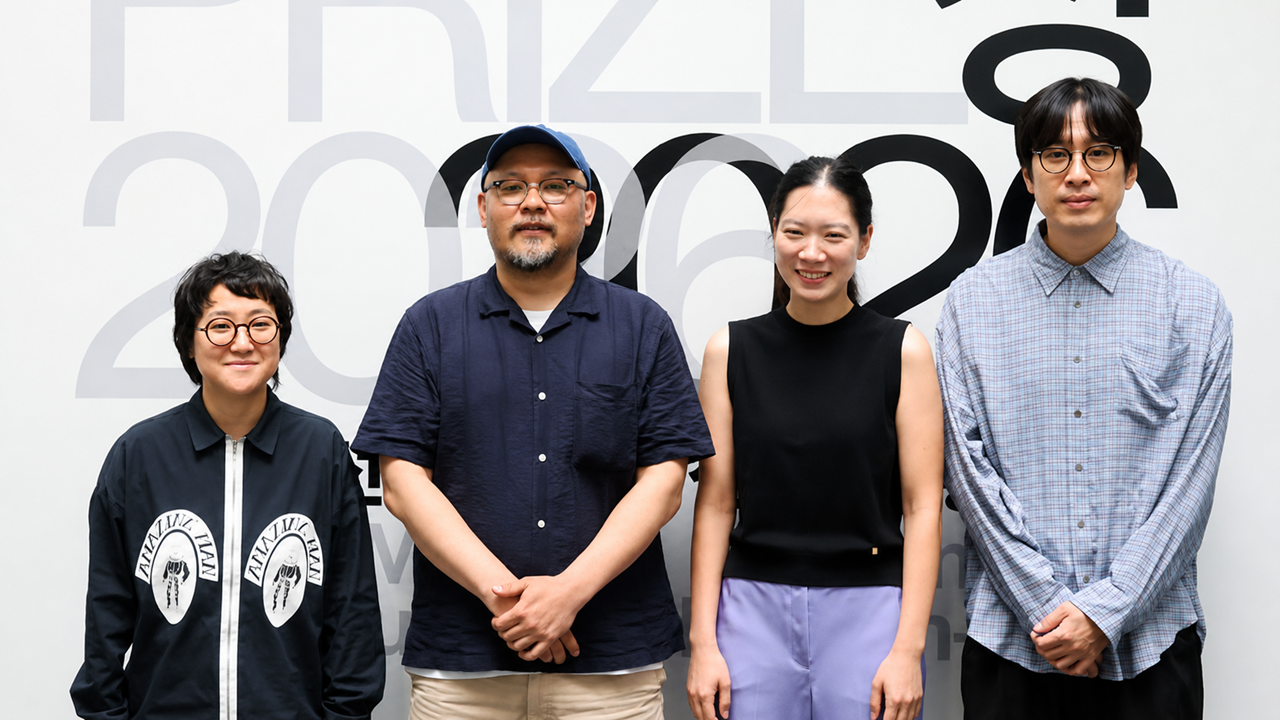

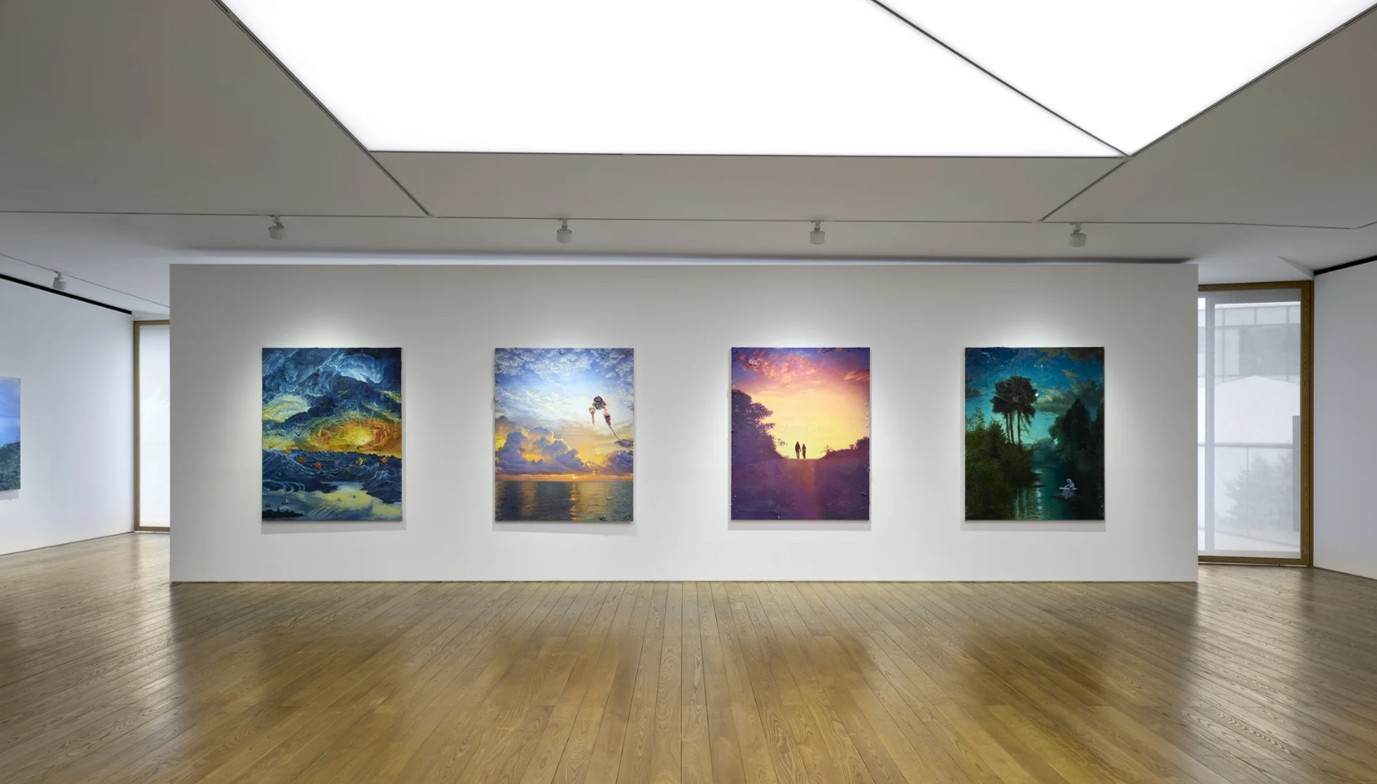

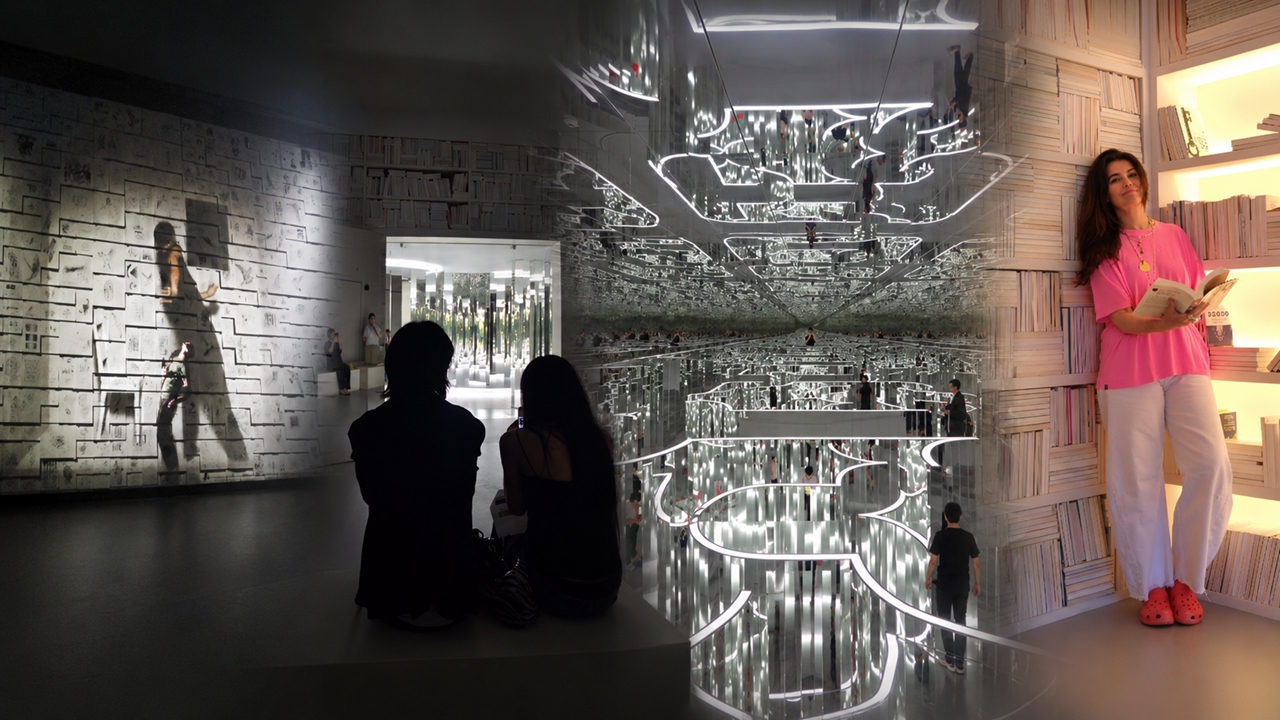
Korea Art Market Forum 2026 took place on September 30 at Art Korea Lab in Gwanghwamun, jointly organized by the Paradise Cultural Foundation and the Business Research Institute at Seoul National University. Marking five years of collaboration between Kiaf and Frieze, the forum addressed Korea’s gallery landscape, art fairs and cities, and young artists. Sang-Hoon Kim, a professor at Seoul National University Business School, delivered the opening remarks.
2026.10.06
An archive is not a warehouse in which materials are simply accumulated. It is a structure that preserves and reconnects the relationships between them. Consider a single work of art. Its title and artist’s name are not enough to fully understand it. When was it made? What materials does it comprise?
2026.09.22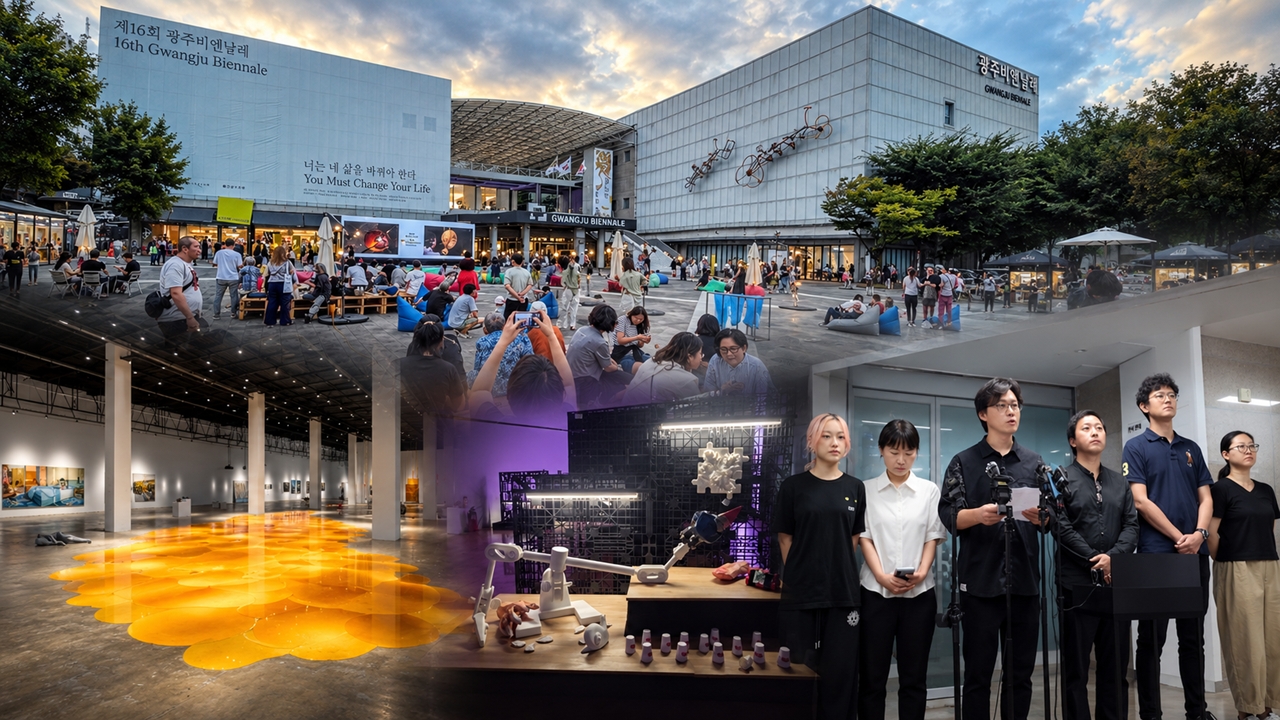
The 16th Gwangju Biennale opened on September 5, 2026. Titled 《You Must Change Your Life》, the biennale presents its main exhibition and pavilion projects through November 15.
2026.09.08
On July 1, the Ministry of Personnel Management opened a public recruitment process for a new director of the National Museum of Modern and Contemporary Art, Korea (MMCA). The term of current director Kim Sung-hee expires this September. As the search began, the names of several potential candidates quickly started circulating within the Korean art world.
2026.08.18
On July 26, 2026, the Art Services Business Registration System came into effect under the Art Promotion Act. Businesses operating in six categories—galleries, art auctions, art advisory services, art rental and sales, art appraisal, and art exhibitions—are now required to register with the relevant local authority.
2026.08.04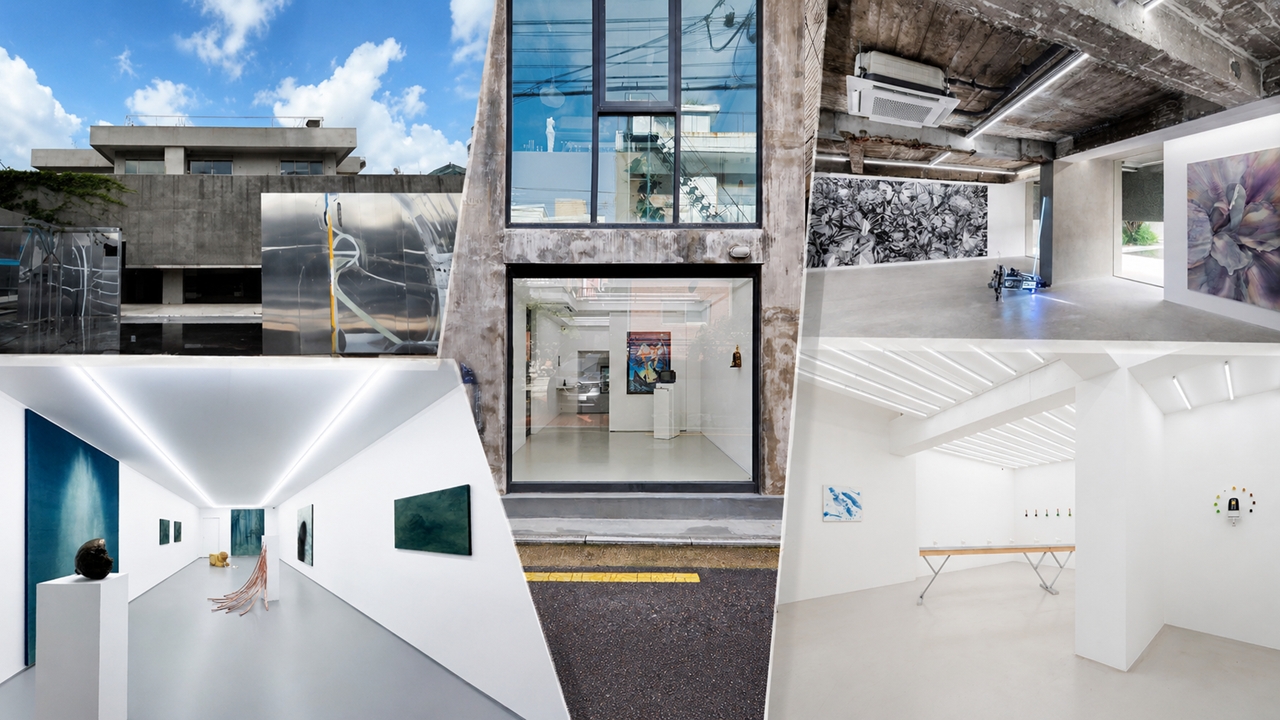
Art spaces are more than venues for exhibiting works of art. They serve as vital intermediaries that discover new artists, generate critical discourse, and connect audiences, markets, and institutions. Changes in these spaces, therefore, are not simply matters of individual organizations adopting different modes of operation. They are important indicators of how the contemporary art ecosystem has evolved and the direction in which it is moving.
2026.07.21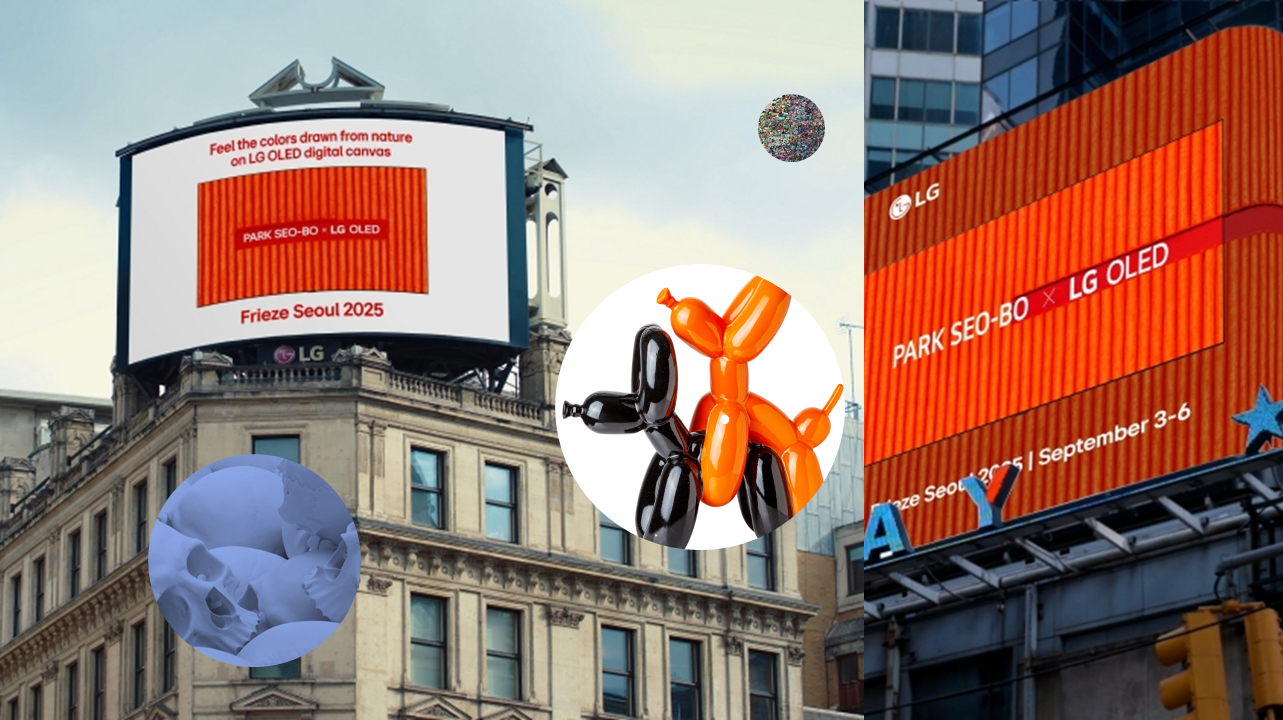
Today, contemporary art appears more dazzling than ever. Art fairs around the world draw hundreds of thousands of visitors, and record-breaking prices are set at auctions. In Korea as well, Frieze Seoul has become a focal point for the Asian art market, while regional fairs such as Art Busan and Art Gwangju continue to expand. Social media feeds are flooded with exhibition snapshots, and blockbuster shows draw long lines of eager visitors.
2025.09.23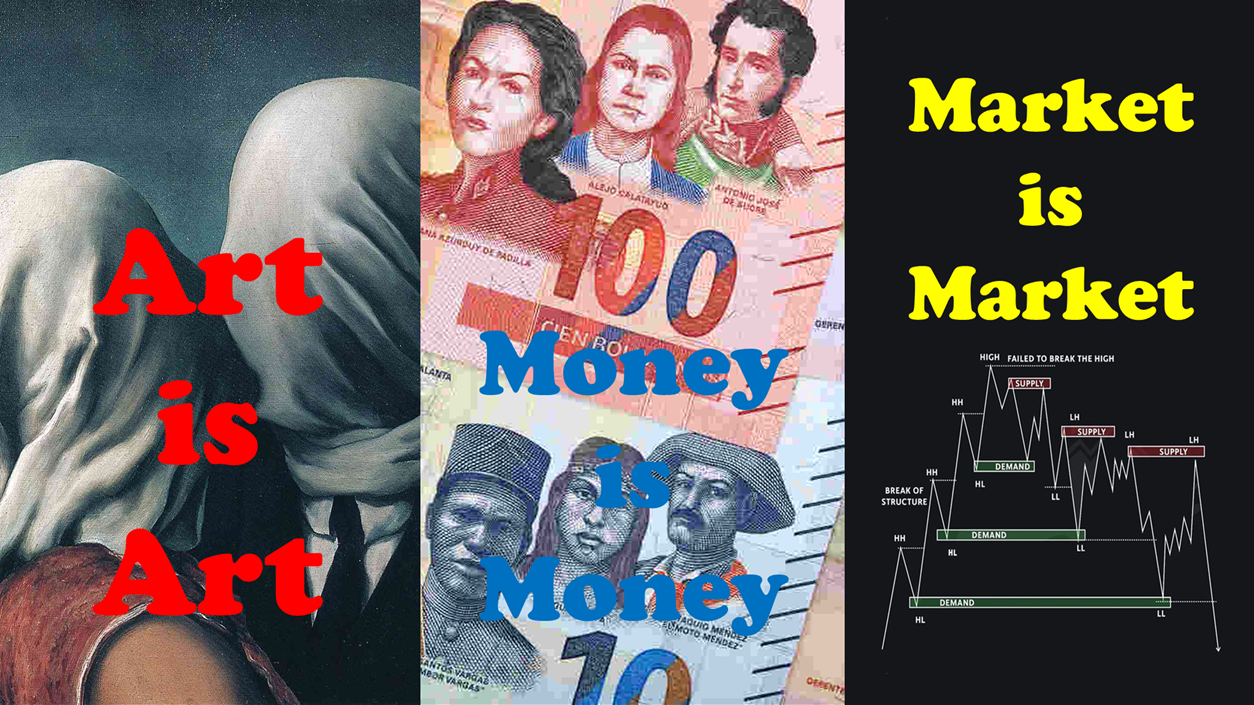
In capitalist society, art can no longer remain solely in an independent and autonomous realm. Today, artworks are reduced to prices within the market’s evaluative systems; their lifespan is extended or erased depending on their investment potential.
2025.08.12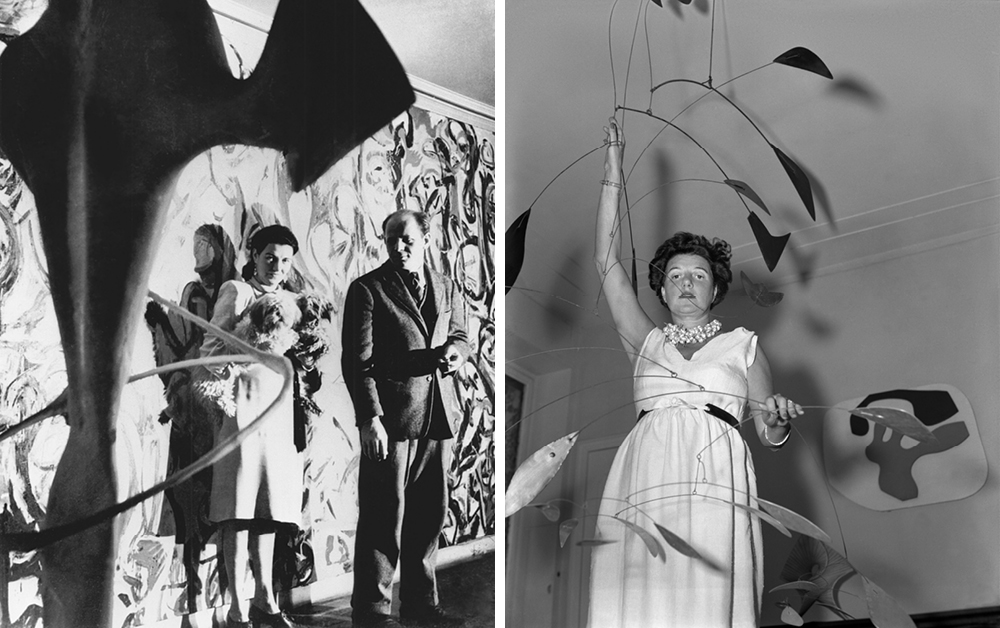
“Who bought that piece?” This question often wields more power than the artwork’s intrinsic aesthetics or philosophy. In today’s art world, the collector is not merely a purchaser but a powerful actor who structures value and inscribes narrative.
2025.07.29
In the 21st century, late capitalism has evolved beyond an economy of production and consumption into a system where symbols and signs dominate value. Jean Baudrillard called this the “political economy of the sign,” where the symbolic meaning of things supersedes their material substance. In such a system, commodities are no longer just physical objects—they are bundles of signs, socially coded and ideologically charged.
2025.07.15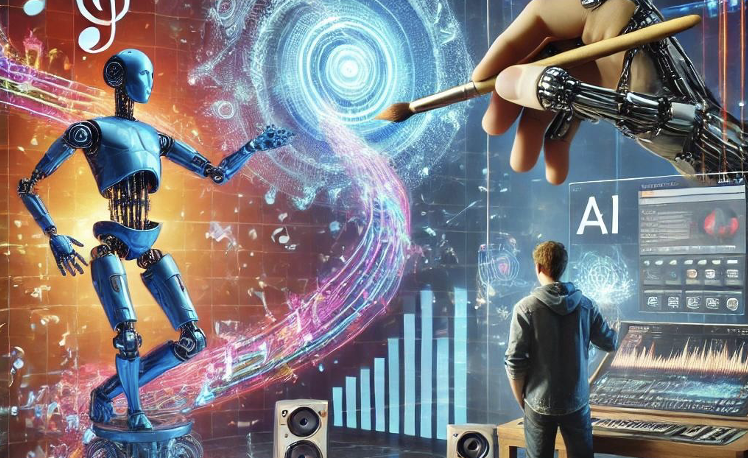
Fine art has always touched the deepest strata of the human spirit. It is not simply the skill of creating aesthetic objects, but the act of a living human being attempting to understand themselves. While humans have evolved by using tools, it is in writing poetry and painting images that they crossed from utility into the realm of the mind. Art was born at this very threshold, and it has defined civilization ever since.
2025.07.01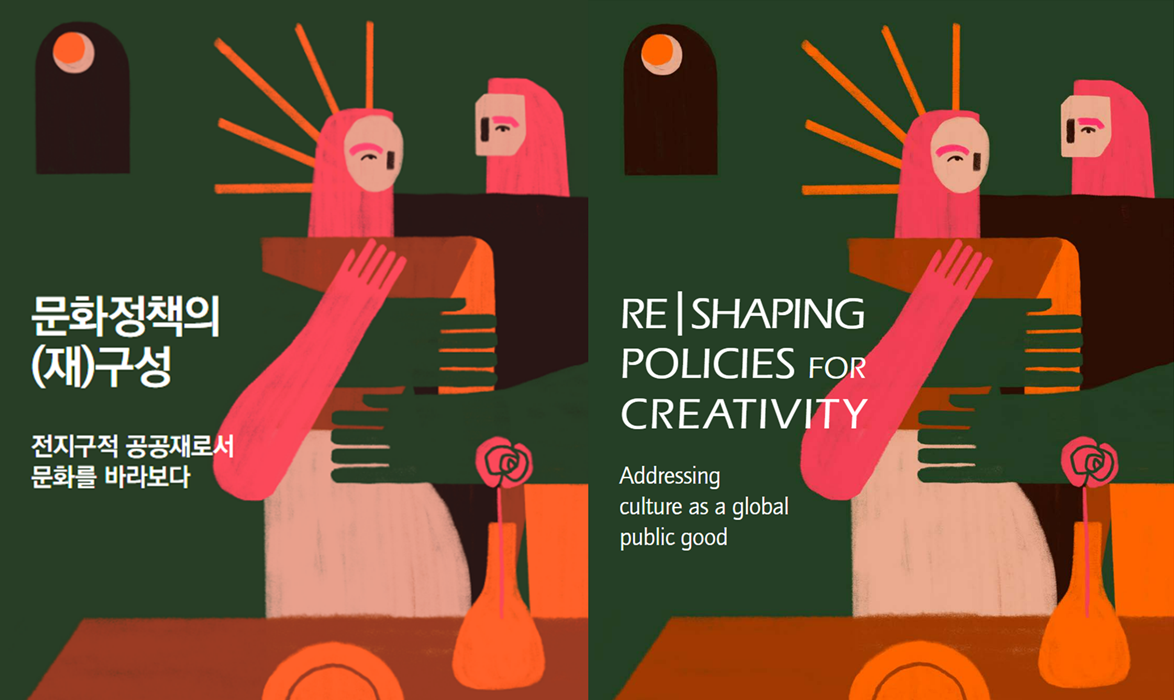
Public support was once the final bastion of art. It served as the only mechanism through which art could defend itself from the logic of the market—a space where the essence of artistic creation could be protected from the accelerating demands of capital.
2025.06.17