




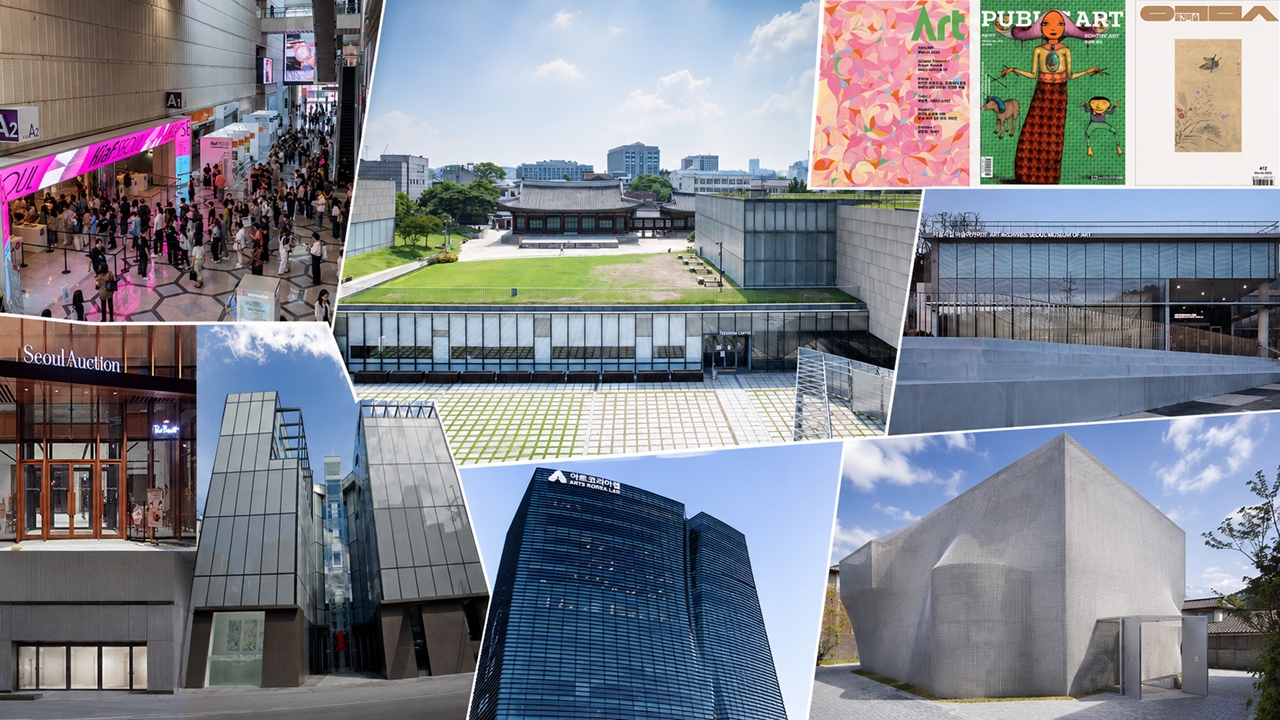
In Korean society, internationalization and globalization emerged as major national agendas between the late 1980s and the mid-1990s. The 1988 Seoul Olympics was a symbolic event through which Korea began to present itself to the international community in a more visible and active way. In the 1990s, Korea rapidly entered the global order through democratization, market liberalization, cultural exchange, and participation in international organizations.
2026.07.07
One of the most significant stories in the global art world recently has been Pace Gallery’s large-scale staff reductions and restructuring of its artist roster. Across the international art community, the news was widely interpreted as a sign of crisis within the mega-gallery model.
2026.06.23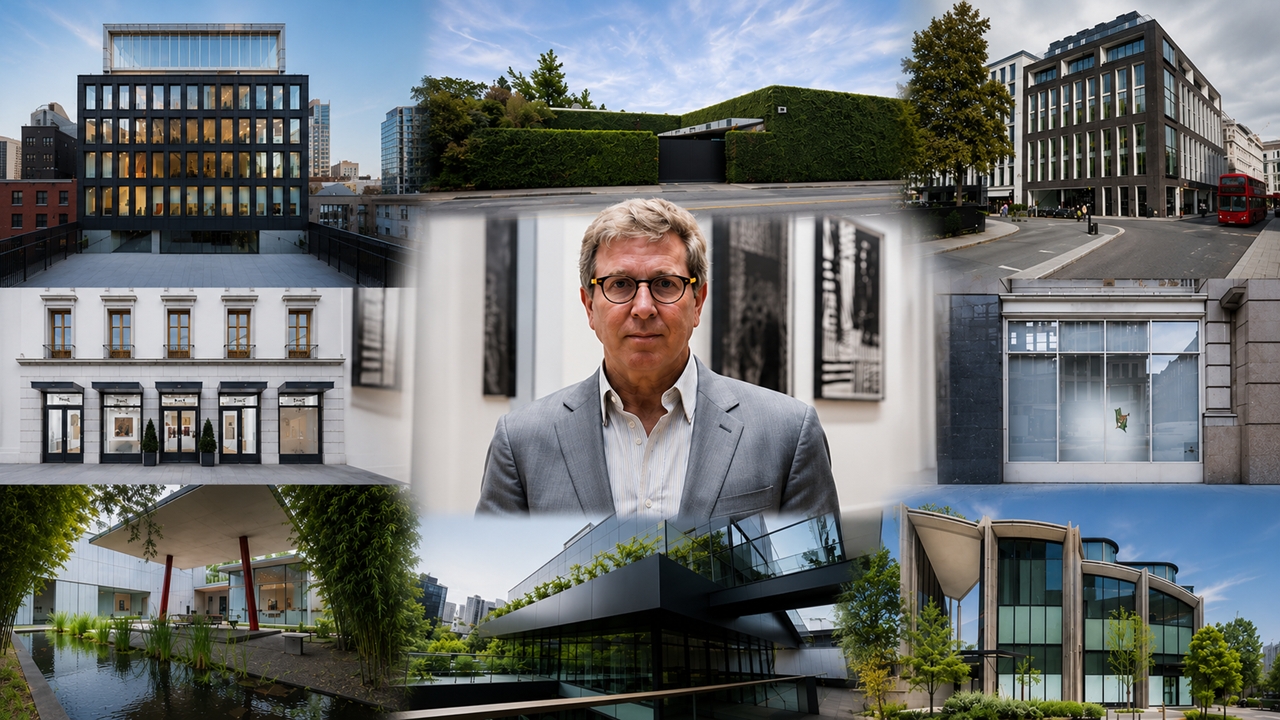
Recently, major media outlets including The New York Times, the international contemporary art platform Ocula, and ARTnews have extensively reported on the large-scale restructuring of Pace Gallery, one of the world’s leading mega-galleries. In particular, remarks by Pace CEO Marc Glimcher describing the current gallery model as not merely “broken” but effectively “unfixable” have sent ripples throughout the global art world.
2026.06.09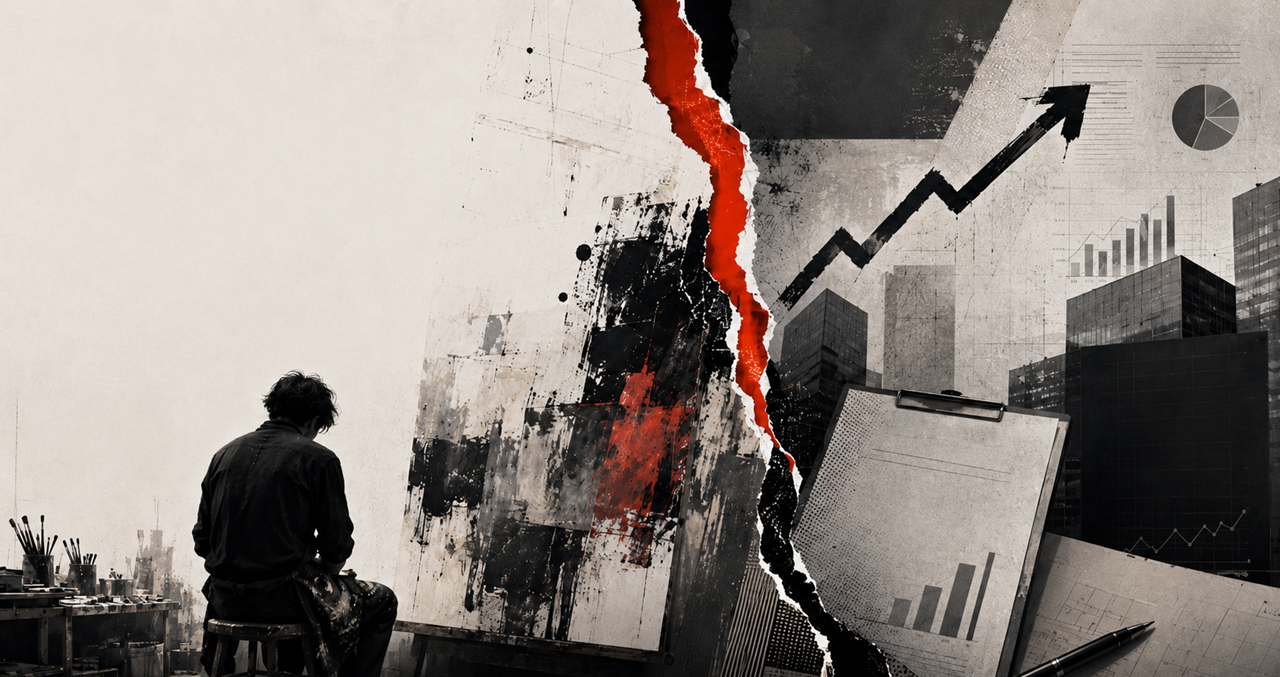
Fine art engages with society, the market, and institutions, but its mode of existence cannot be reduced to commodity production or the provision of services. An artist is not someone who produces works in order to satisfy the demands of a specific customer, and an artwork is not a product made to provide functional utility
2026.05.26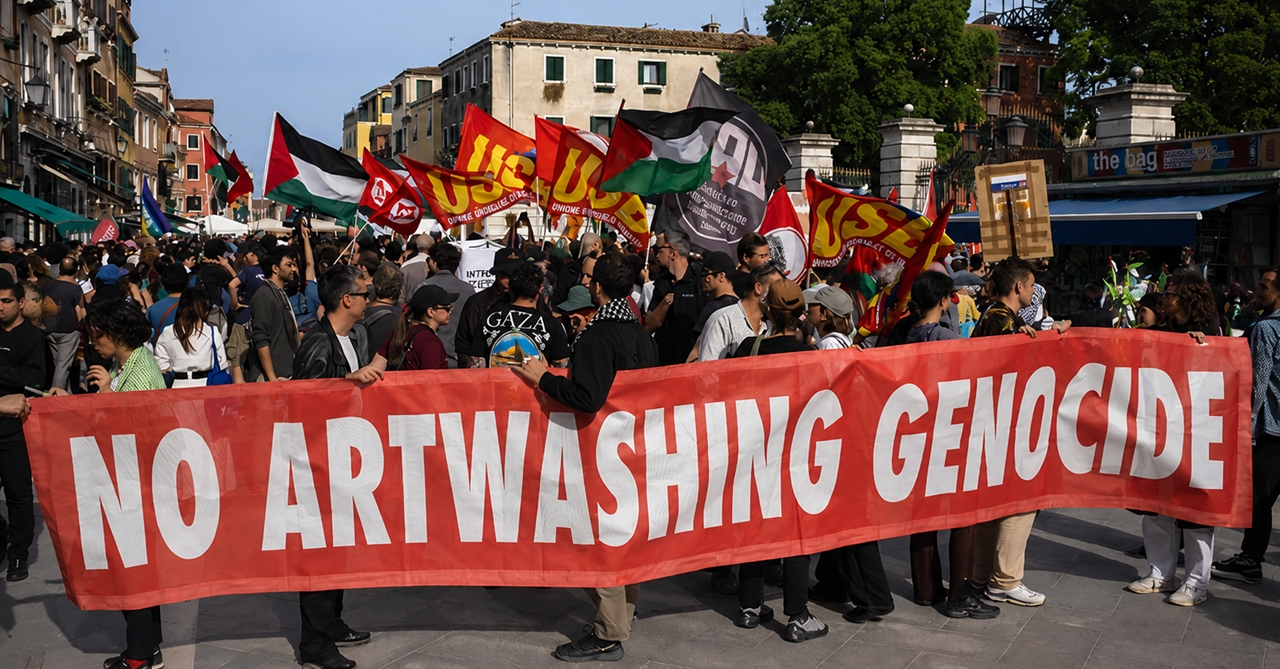
On April 30, 2026, all five members of the international jury for《In Minor Keys》, the 61st International Art Exhibition of the Venice Biennale, resigned just nine days before the exhibition’s opening. Led by jury president Solange Oliveira Farkas, the jury members Zoe Butt, Elvira Dyangani Ose, Marta Kuzma, and Giovanna Zapperi released a brief statement of resignation through e-flux.
2026.05.12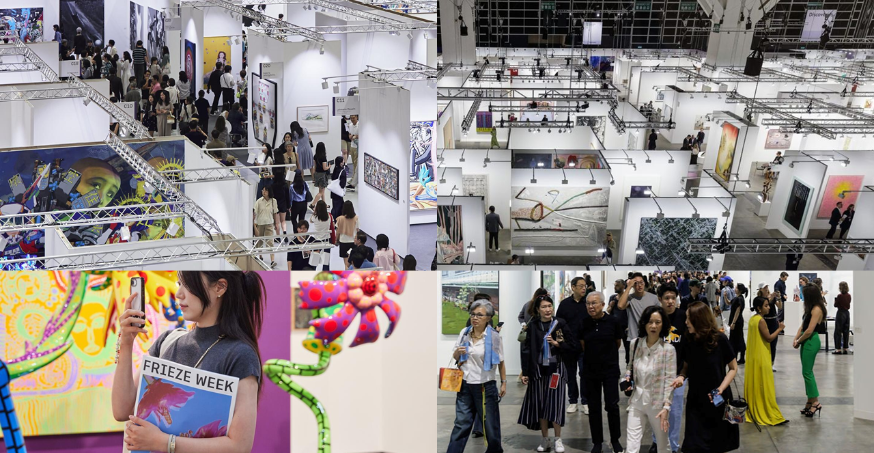
Over the past few years, the landscape of the Asian art market has been rapidly reshaped. Seoul has drawn increasing attention from the international art world through Frieze Seoul, Kiaf Seoul, and Seoul Art Week, while Hong Kong, despite political changes and the impact of China’s economic slowdown, continues to maintain its position as a powerful transactional hub.
2026.04.28
Contemporary art today encompasses a wide range of cultures, histories, and social experiences. Artists from Asia, the Middle East, Latin America, and Africa are active in international biennials, museums, galleries, and art markets. Histories and cultures that received insufficient attention within Western-centered accounts of art history have also become important subjects of contemporary art.
2026.10.13
To consider the future of Korean contemporary art, we must first examine the structures and standards through which the global art world operates today. Over the past century, Korean modern and contemporary art has developed by absorbing artistic forms, concepts, and institutions that originated in the West and transforming them within Korea’s own historical and social conditions. Today, however, the situation is different.
2026.09.29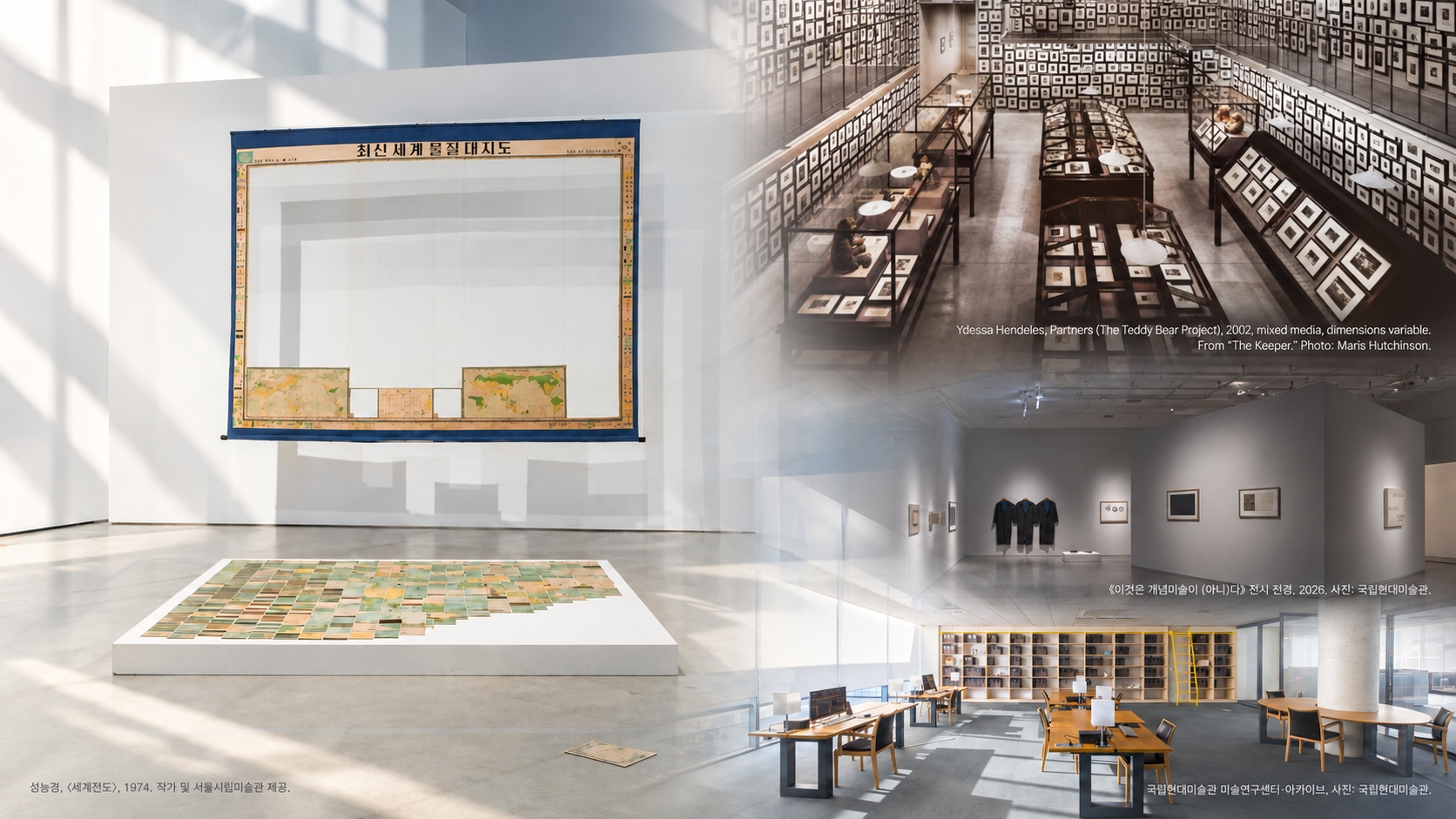
Moving beyond Orientalism entails more than shifting the center from the West to Asia. It requires transforming the structure through which particular actors have classified and evaluated the art of other regions, while developing new values and criteria grounded in diverse histories and experiences. What is needed is a new system of knowledge—one that recognizes the achievements of Western art history as a shared global legacy without treating them as the sole standard of judgment.
2026.09.08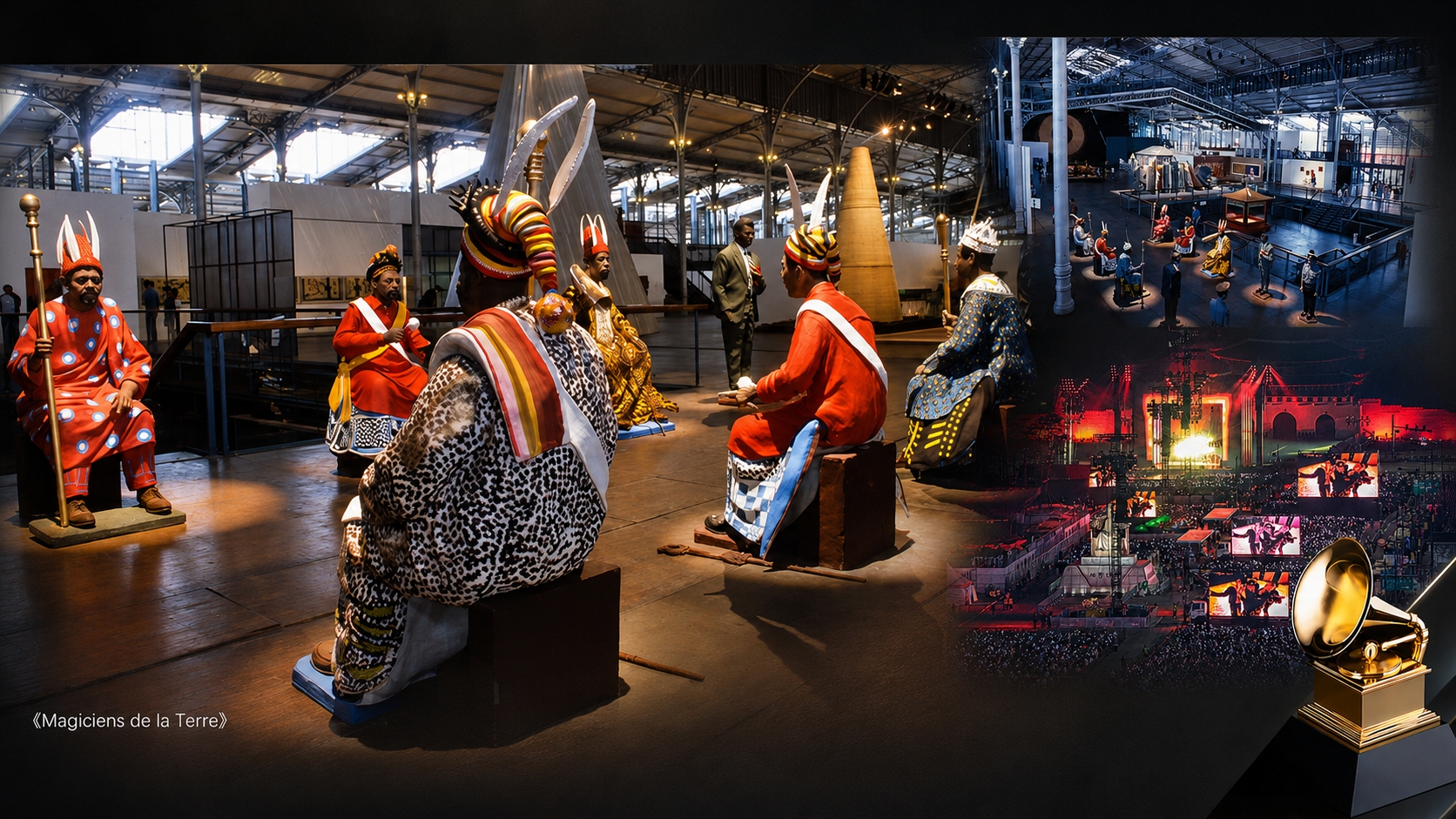
BTS emerged in Korea and developed within the cultural and industrial framework of K-pop. Yet the market in which its music is produced and consumed, as well as its audience and influence, moved beyond Korea’s geographical boundaries long ago.
2026.08.25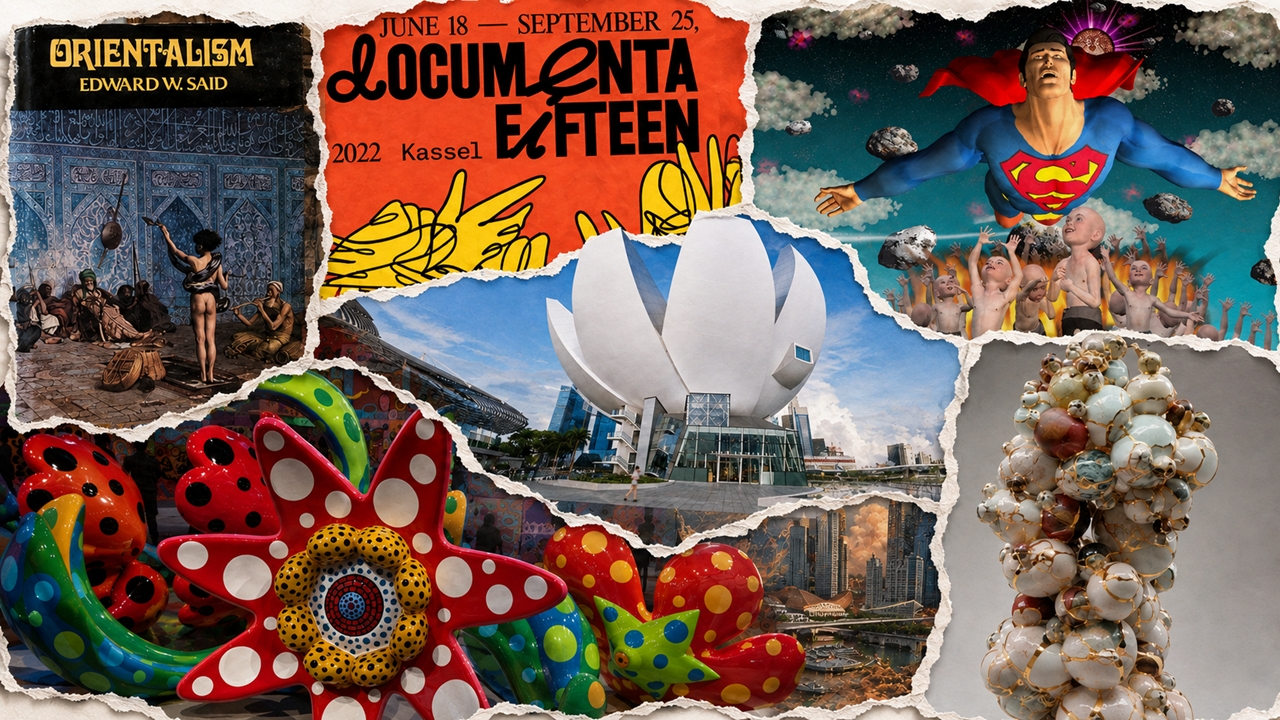
“Asian contemporary art” does not refer to a single shared style or aesthetic. Korea, China, Japan, and the countries of Southeast Asia each have distinct histories, political and social conditions, art institutions, and markets.
2026.08.11
The Anachronism series began by examining how Korean art has continued to understand and organize itself under changing conditions through languages, institutions, and models of success inherited from the past. It considered the recurring tendency to reproduce earlier
2026.07.28