
In contemporary
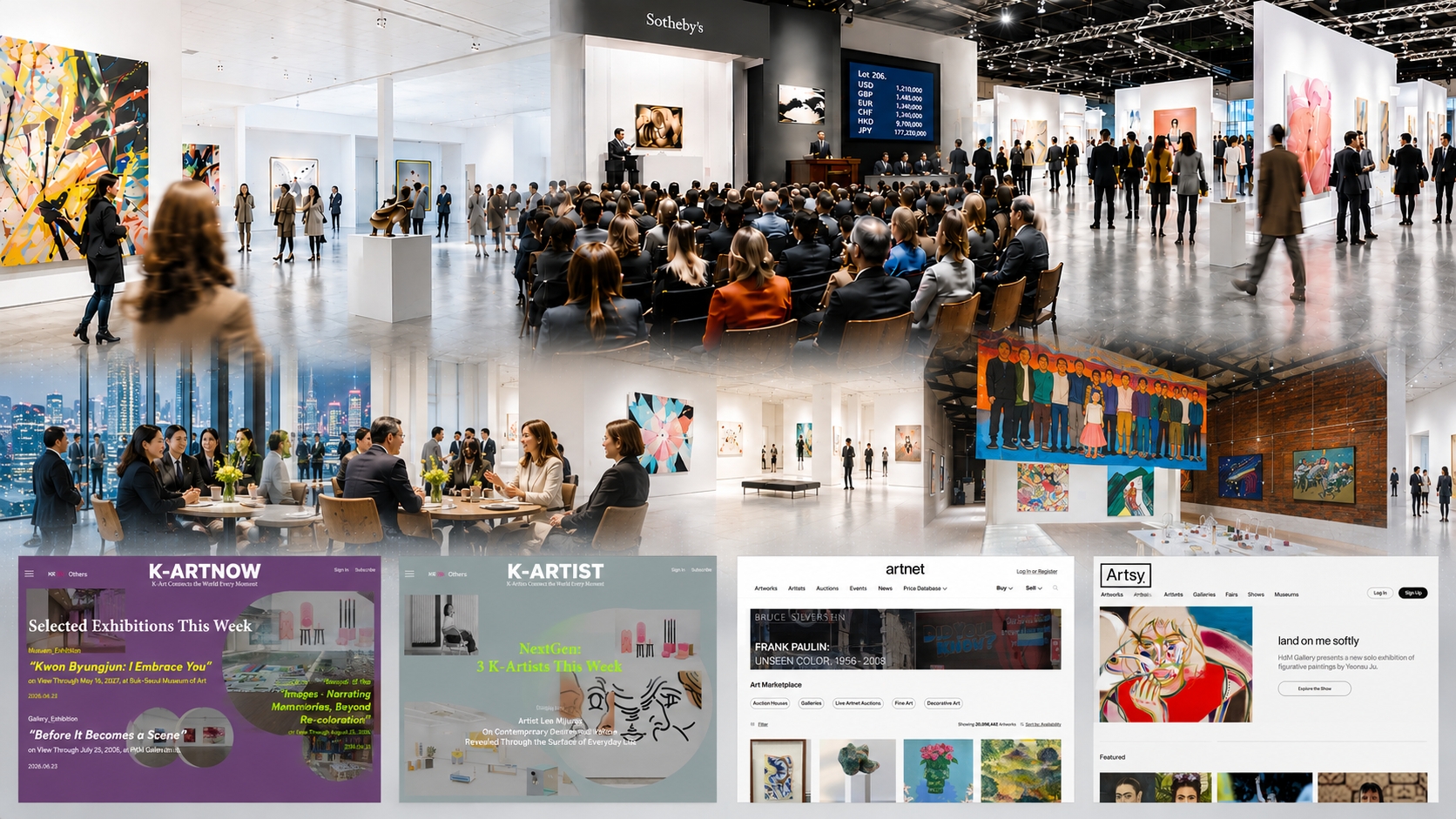
art, the market determines the price of artworks. Galleries introduce artists,
art fairs concentrate visibility and transactions, and auctions publicly
confirm prices in the secondary market. As discussed in Part 7, these
mechanisms together constitute the distribution system of today’s art market,
revealing how prices are discovered, reiterated, and ultimately fixed.
Price
Is Not Value
Yet price is not
equivalent to value. Price results from transactions; value emerges from
judgment. What must come first is a critical assessment of why a work matters—its
formal achievements, its engagement with the conditions of its time, and its
position within an art-historical context. Only after such judgment has been
established should the market register it as price.
This task belongs
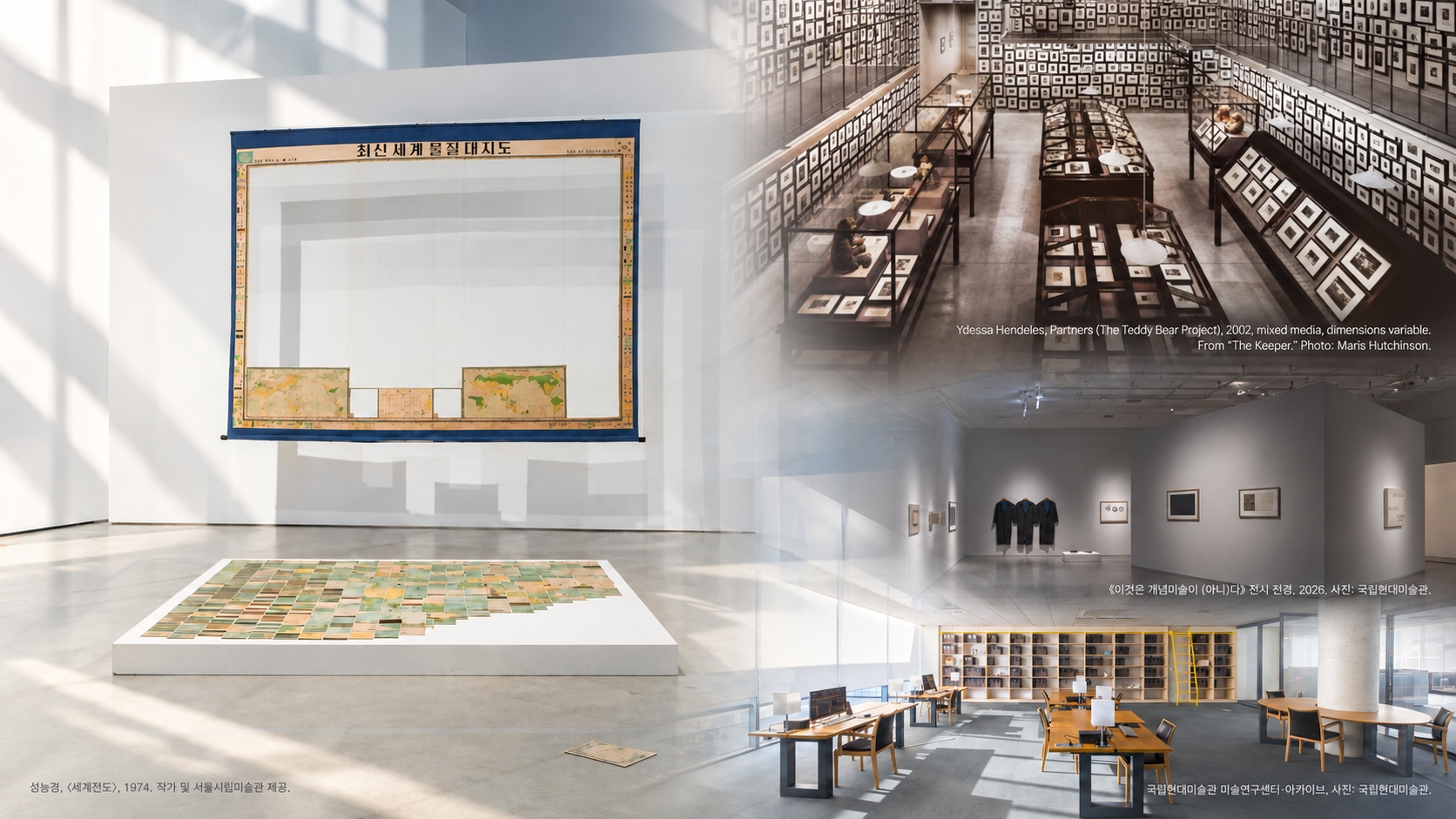
to museums, biennales, and non-profit institutions. These are not sites of
exchange, but frameworks for examining meaning and situating works within a
public context. Museums incorporate works into historical narratives through
exhibitions and collections; biennales articulate new trajectories within
contemporary discourse; and non-profit institutions bring forward experimental
practices not yet absorbed by the market or major institutions.
Institutions,
therefore, do not follow the market—they precede it. The evaluation of value
must come first, accumulating through exhibitions, criticism, research, and
documentation. Only then should the market respond. This sequence defines the
fundamental order of the art ecosystem.
When
the Market Leads and Institutions Follow
The problem today
lies in the inversion of this order. Market signals precede critical judgment
and institutional evaluation. Gallery affiliation, art fair exposure, collector
interest, auction records, social media circulation, and global networks rapidly
determine an artist’s position.
Institutions,
rather than interrogating these signals, often reinforce them—selecting artists
who have already been validated by the market. In doing so, they cease to
function as sites of primary judgment and instead become mechanisms of post hoc
authorization. Rather than regulating or challenging the market, they translate
its signals into institutional language. Price no longer follows value; value
begins to follow price.
The
Erosion of Institutional Judgment
In museums, this
condition is visible in exhibition and acquisition strategies. Long-term
research and the discovery of under-recognized practices give way to the
repetition of artists already validated by market visibility, institutional
safety, and international circulation. Institutions no longer generate new
judgments; they reaffirm existing ones.
Biennales reveal
a similar shift. Conceived as platforms for new agendas and experimental forms,
they are increasingly shaped by international networks, dominant discourses,
curatorial career structures, and administrative selection systems. As
curatorial authority itself becomes procedural—structured through applications,
evaluations, and bureaucratic criteria—critical autonomy weakens.
Within this
framework, biennales tend to reproduce works that are already legible within
global discourse, rather than identifying new artistic questions. They function
less as sites of critical rupture and more as platforms for the display of
stabilized contemporaneity.
Non-profit
institutions present an even more complex case. Intended as spaces for
pre-market experimentation, they are now deeply embedded in systems of funding,
application, evaluation, and reporting. Artists, in turn, prioritize projects
that align with institutional language and evaluative frameworks over the
internal necessity of their work.
As a result,
works are increasingly shaped to fit institutional formats. Experimentation
becomes administratively legible; critique aligns with evaluative criteria; and
novelty is defined by its compatibility with funding discourse. In this sense,
non-profit institutions no longer operate outside the market, but as another
institutionalized extension of it.
This shift
signals not merely an operational issue, but a transformation in the criteria
of value judgment itself. Works no longer precede evaluation; institutional
formats precede works. Artists construct projects that are fundable and
selectable, while institutions reproduce these formalized outputs—preserving
the appearance of experimentation while neutralizing its risk.
Under such
conditions, value judgment narrows across both market and institutional
domains. The market prioritizes saleability; institutions prioritize
selectability. One operates through transaction, the other through evaluation—yet
both converge toward similar outcomes. Works are increasingly formatted as
legible, explainable, submittable, and circulable entities.
At this point, a
critical problem in Korean contemporary art becomes evident. The market
commodifies artworks; institutions document them. The market classifies through
price; institutions classify through application and evaluation. Both struggle
to accommodate the uncertainty, ambiguity, irrationality, and ongoing
mutability inherent to artistic practice. The critical force of contemporary
art is gradually reduced to manageable form.
The
Reduction of Criticism
The weakening of
criticism is inseparable from this condition. Criticism should operate beyond
market price and institutional language, yet it is increasingly absorbed into
exhibition texts, press materials, and institutional discourse. It no longer
functions as an independent mode of judgment, but as a mechanism of explanation
and validation. What remains is not a language that evaluates, but one that
describes what has already been selected.
Why
New Value Fails to Emerge
In this
environment, the emergence of new value becomes increasingly difficult. The
market favors artists with proven demand; museums select those with established
trajectories; biennales prioritize globally translatable practices; and
non-profit institutions fund projects aligned with institutional discourse.
While their roles differ, all converge around stability and verifiability.
The result is an
ecosystem that appears diverse but reproduces similar forms. Themes vary,
institutions differ, programs change—but their operational logic remains
consistent. Artists adjust their work to align with market visibility and
institutional legibility, rather than pursuing their own inquiries to their
limits. This is the inversion of value judgment.
In a functional
system, artworks generate questions, criticism interprets them, institutions
contextualize them, and the market responds. In the inverted system, formats
come first. Artists work within predefined structures, and institutions no
longer mediate works—they precondition them.
Restoring
Judgment, Not Expanding Institutions
The task is not
to expand institutional frameworks. Museums, biennales, non-profit spaces,
funding systems, open calls, residencies, and art fairs are already abundant.
The issue is whether they produce new judgment. Institutions have multiplied;
judgment has weakened. Programs have expanded; accumulation has thinned.
Exhibitions have increased; critical standards have blurred.
Museums must move
beyond reaffirming market-validated names. Biennales must resist becoming
administrative composites of global trends. Non-profit institutions must not be reduced to
platforms for funding-compliant projects.
Each must
generate forms of judgment that precede, exceed, and resist the market.
This does not
mean rejecting the market. The market remains essential—for artistic survival,
circulation, collection, and economic sustainability. Yet it cannot serve as
the origin of value. It can register outcomes as price, but cannot explain
significance. That task belongs to criticism, research, exhibition, archives, and
institutional accumulation.
What is needed is
not more programs, but more precise judgment; not more exhibitions, but
sustained research; not more funding, but deeper critique. The more
institutions rely on procedural selection and market signals, the more art is
reduced to safe, explainable, and circulable forms.
Restoring
Value Judgment and the Future of Korean Contemporary Art
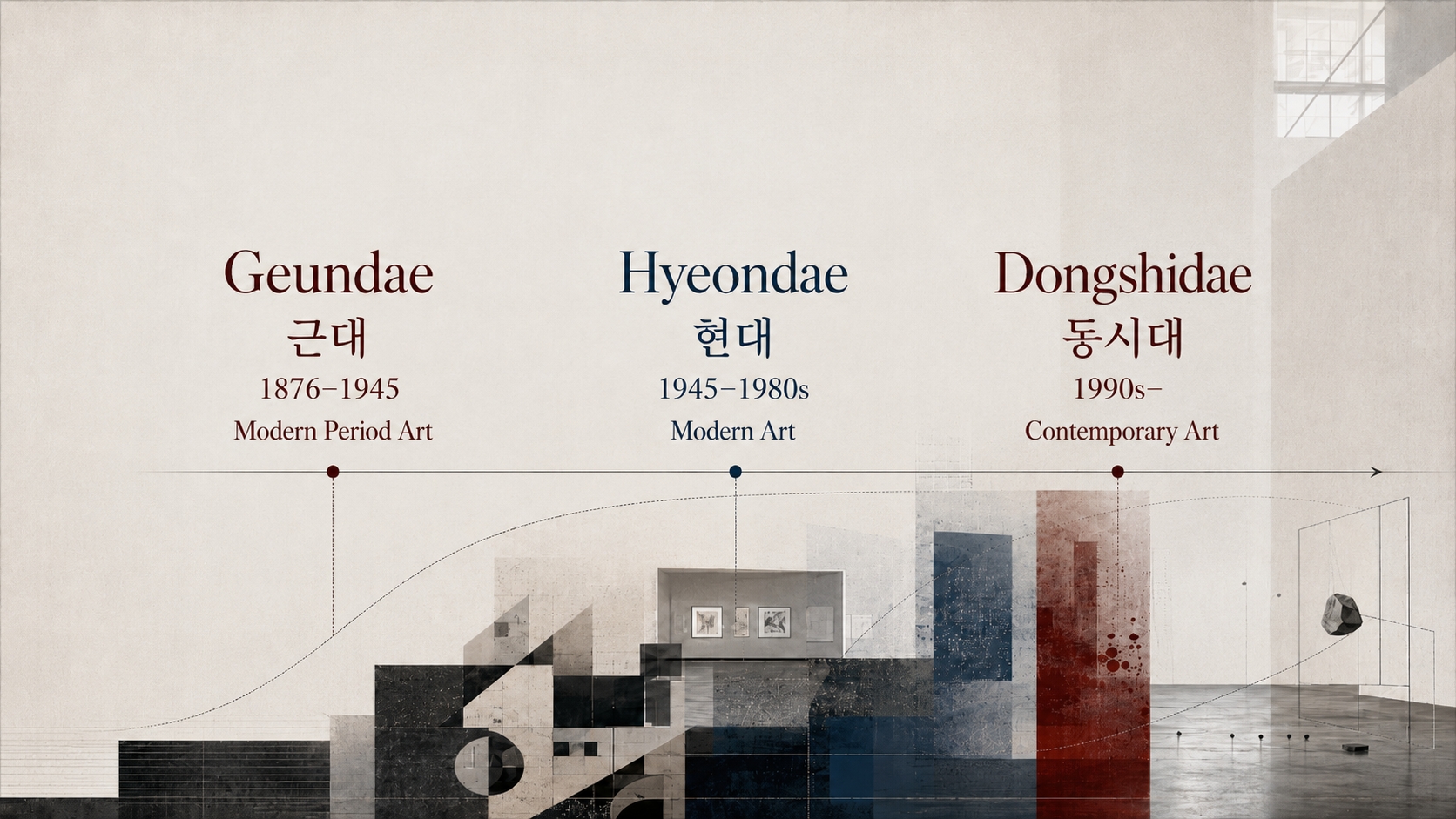
This is the
central issue confronting Korean contemporary art within the post-contemporary
condition. The market accelerates; institutions expand. Yet the autonomy of
judgment remains fragile. When institutions that should lead evaluation instead
follow market signals and administrative formats, artistic value is reduced to
price and selection.
The role of
museums, biennales, and non-profit institutions is not to confirm what is
already visible, but to recognize what is not yet visible. Before the market
understands, before funding systems formalize, before application frameworks
capture—institutions must identify the aesthetic and critical potential of a
work.
The future of
Korean contemporary art depends on restoring this sequence: works generate
questions, criticism interprets, institutions accumulate, and the market
responds.
What is required
now is not expansion, but the restoration of judgment.
Jay Jongho Kim graduated from the Department of Art Theory at Hongik University and earned his master's degree in Art Planning from the same university. From 1996 to 2006, he worked as a curator at Gallery Seomi, planning director at CAIS Gallery, head of the curatorial research team at Art Center Nabi, director at Gallery Hyundai, and curator at Gana New York. From 2008 to 2017, he served as the executive director of Doosan Gallery Seoul & New York and Doosan Residency New York, introducing Korean contemporary artists to the local scene in New York. After returning to Korea in 2017, he worked as an art consultant, conducting art education, collection consulting, and various art projects. In 2021, he founded A Project Company and is currently running the platforms K-ARTNOW.COM and K-ARTIST.COM, which aim to promote Korean contemporary art on the global stage.