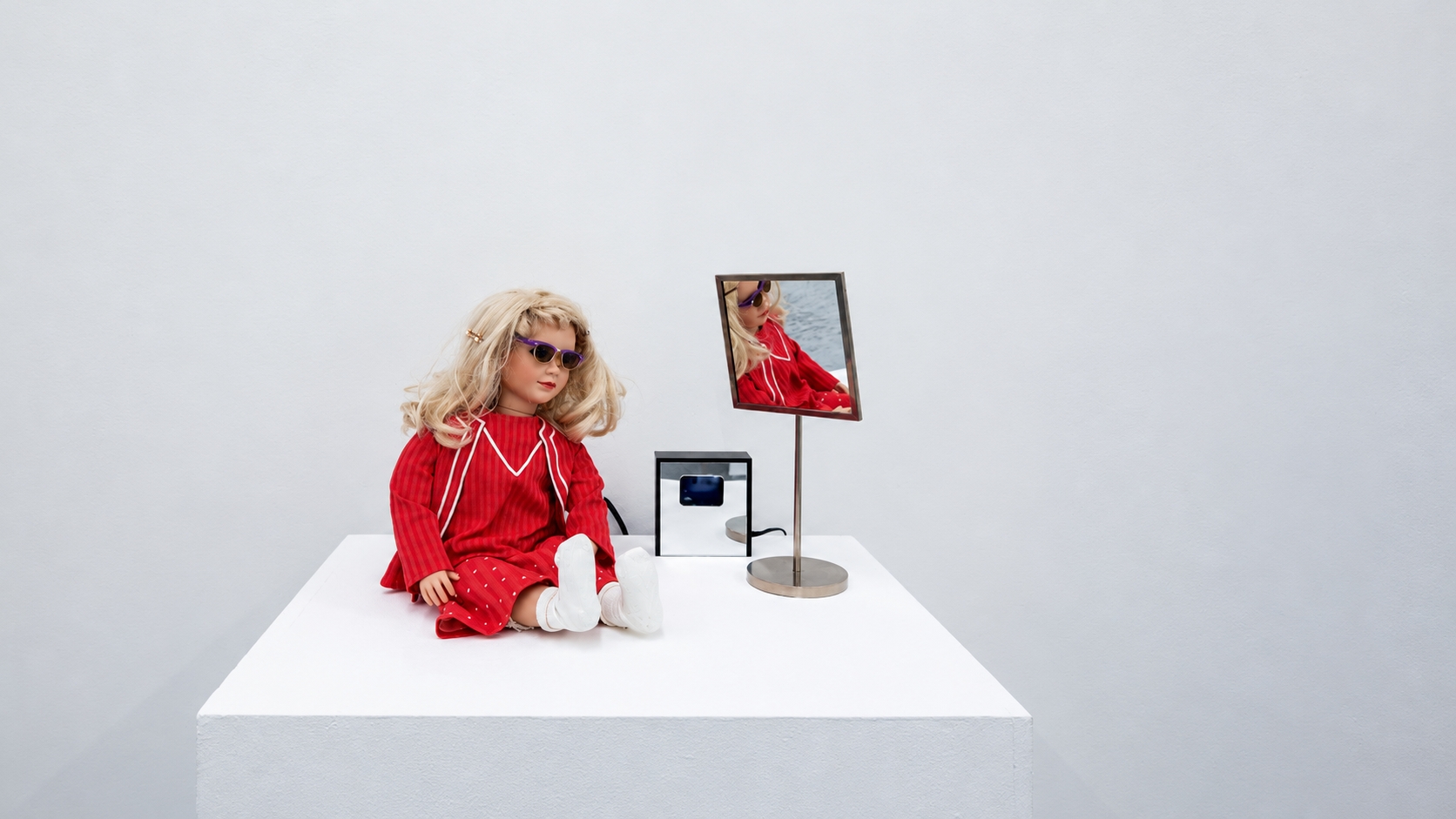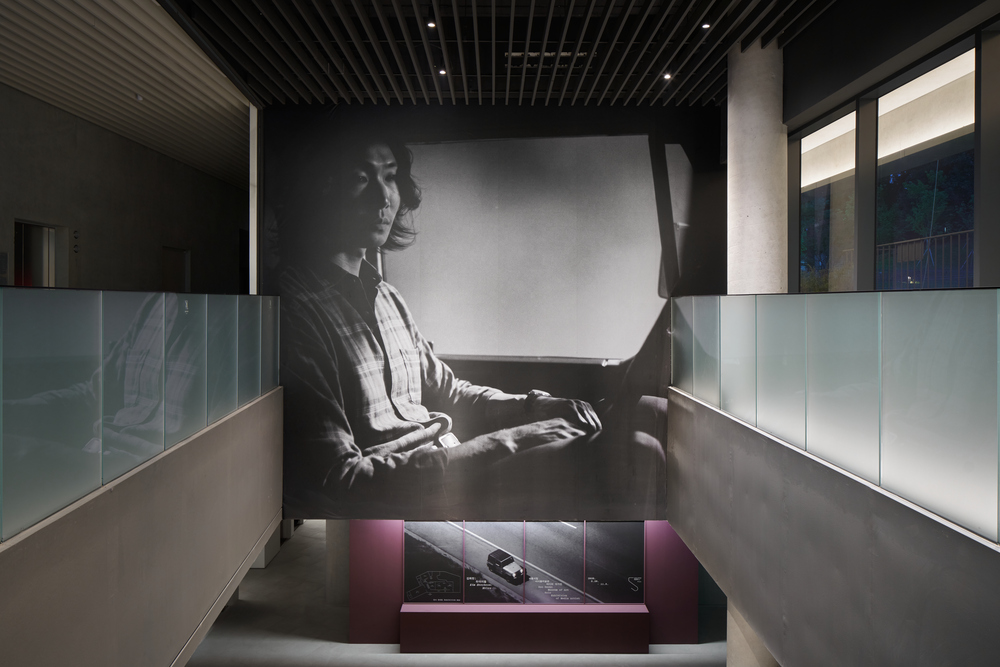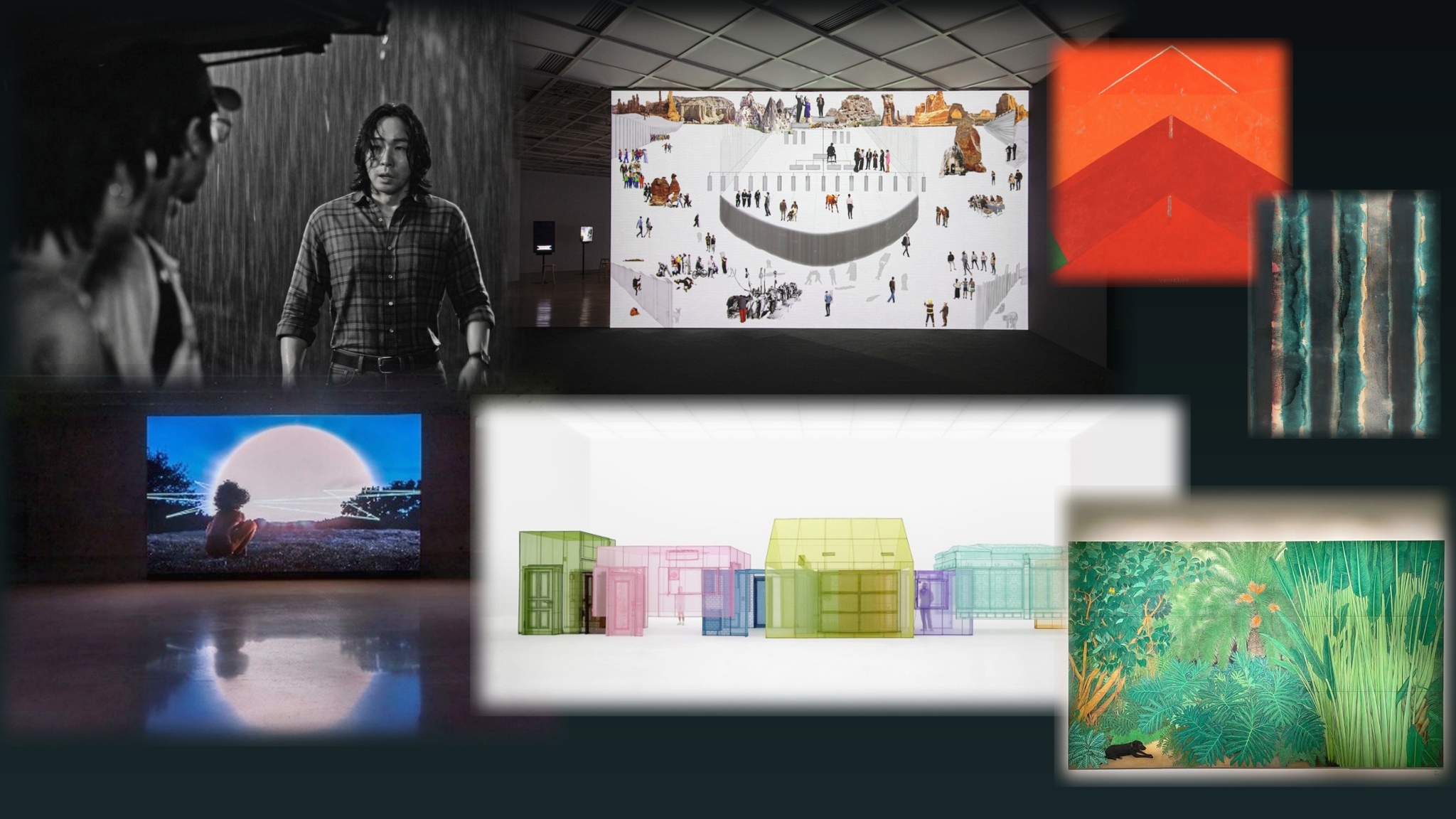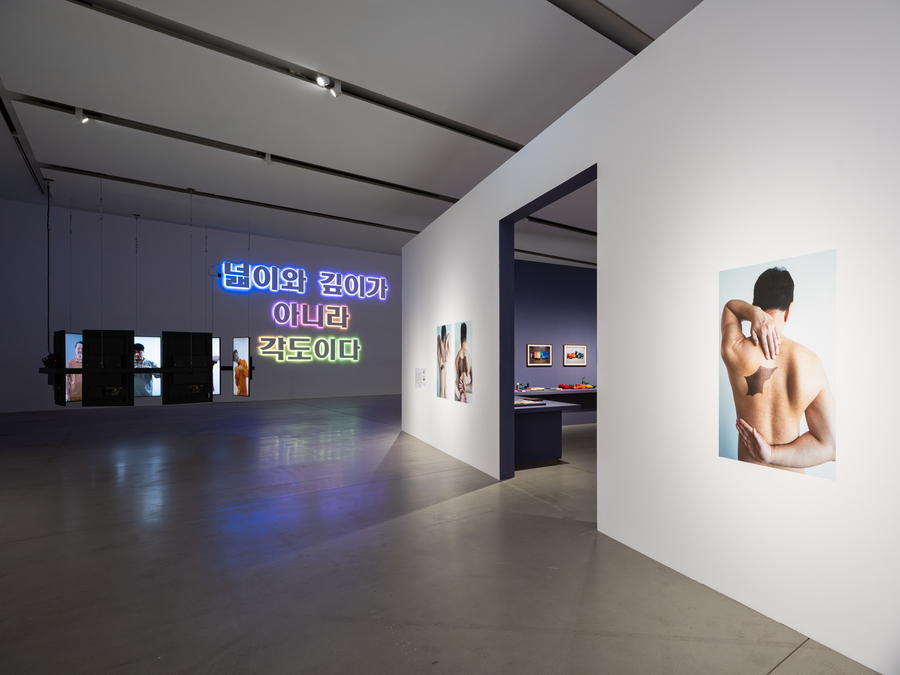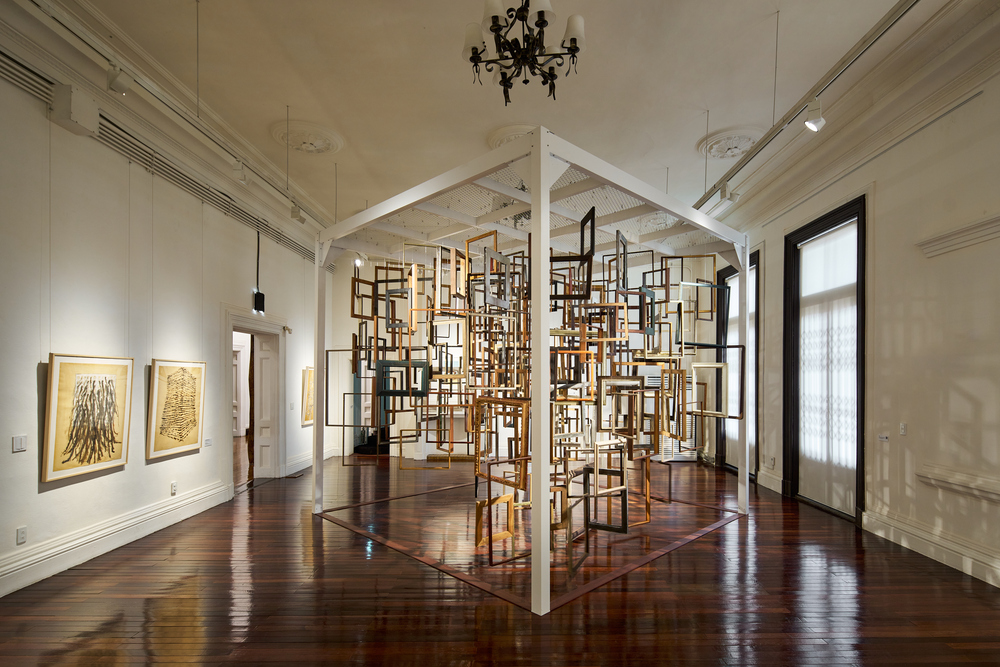

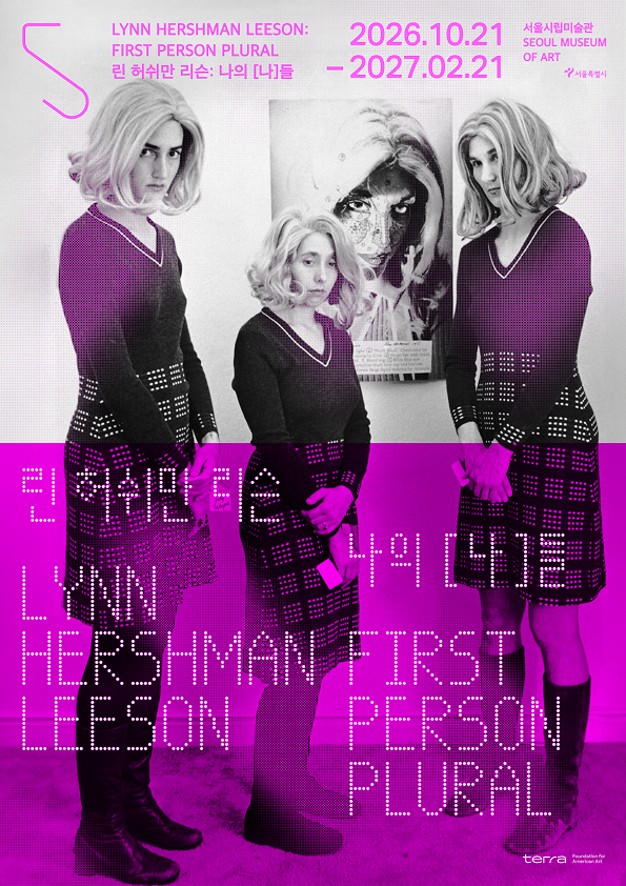
Official exhibition poster for 《Lynn Hershman Leeson: First Person Plural》
The Seoul Museum of Art will present 《Lynn Hershman Leeson: First Person Plural》, a solo exhibition by the American media artist and filmmaker Lynn
Hershman Leeson (b. 1941), at its Seosomun Main Branch from October 21, 2026,
to February 21, 2027. According to the museum, this is the artist’s first
museum solo exhibition in Asia, offering a broad survey of approximately six
decades of her practice. Responding to the museum’s 2026 exhibition theme, “Technology,”
the exhibition explores her sustained investigation of human relationships with
technology, identity, and surveillance.
Hershman Leeson’s work takes on renewed
significance today, as artificial intelligence generates the language and
images of everyday life and digital platforms record individual behavior. Yet
her art-historical importance extends beyond her early adoption of new technologies.
Exploring the social position of women and minorities, the construction of
identity, and the roles of media in control and resistance, she carried
questions rooted in performance and conceptual art into interactive media. ZKM
| Center for Art and Media Karlsruhe recognizes her pioneering contributions
across several fields, including interactive and new media art.
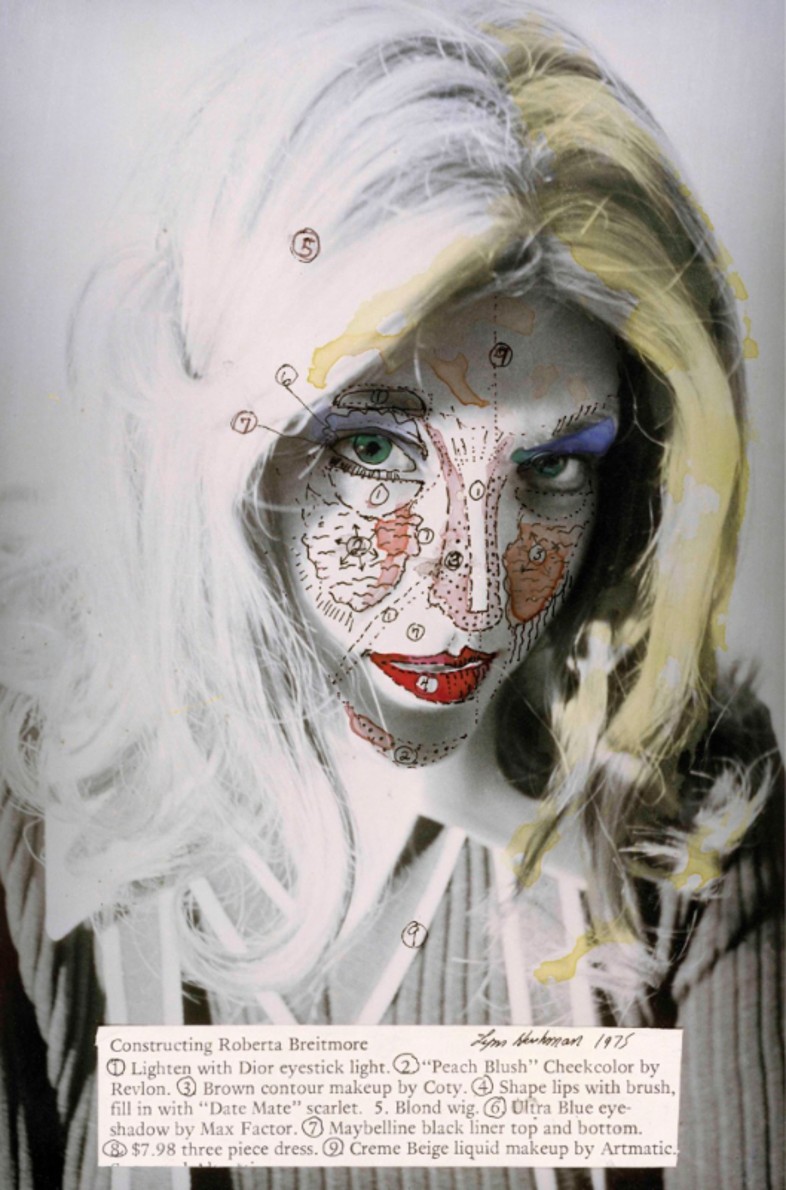
Lynn Hershman Leeson, Roberta’s Construction Chart #1, 1975. Image source: Seoul Museum of Art.
One of the clearest expressions of these
concerns is Roberta Breitmore, a project developed
during the 1970s. Hershman Leeson created a fictional woman and lived as that
character in the real world. Roberta had distinctive clothing, makeup,
gestures, and handwriting. She opened a bank account, placed newspaper
advertisements seeking a roommate, and formed relationships with other people.
Other performers subsequently embodied Roberta, allowing a single identity to
exist across multiple bodies.
Roberta anticipates today’s digital
avatars, while also revealing how a woman is identified and judged within
society. The ways in which appearance, behavior, documents, and institutions
establish a person’s existence suggest that identity is not determined solely
by an individual’s inner life. Hershman Leeson herself connects the project to
the sexism of the period. Roberta can therefore be understood both as an
experiment in constructed identity and as an investigation of the social
conditions that shape women’s lives.
In Lorna (1979–1984),
questions of identity and control extend to audience participation. Using a
remote control, viewers navigate the story of a woman who is isolated from the
outside world and relies on television and the telephone for contact. The
sequence of the narrative and its ending change according to the viewer’s
decisions. ZKM describes it as the first videodisc artwork in art history to
enable user interaction.
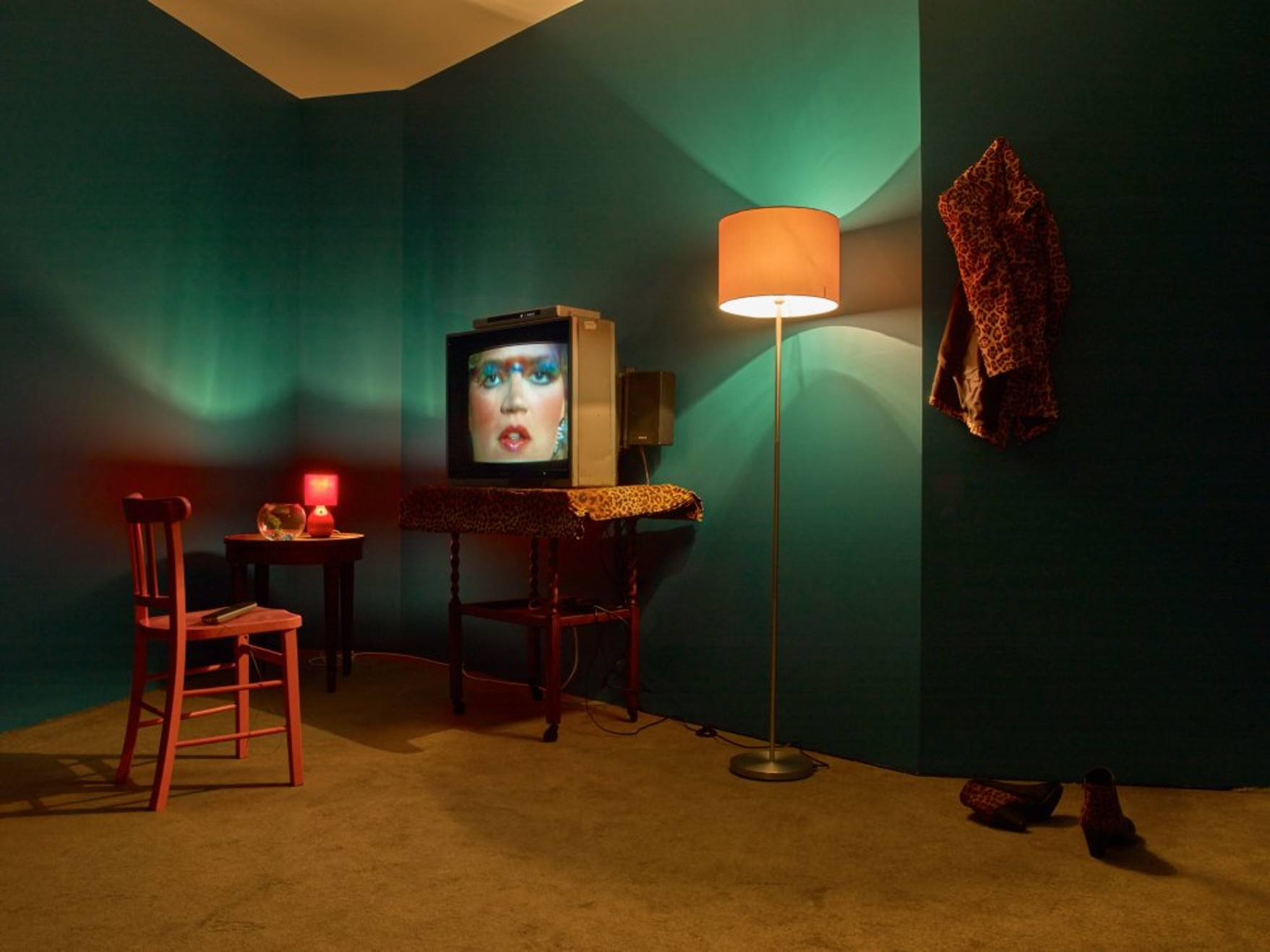
Lynn Hershman Leeson, Lorna, 1979–1984. Image source: Seoul Museum of Art website.
In this work, viewers move from observing
an image to intervening in a character’s life. The ability to choose, however,
does not necessarily mean freedom. Viewers operate within paths established by
the work, seeking to understand the protagonist while also looking into her
private world. Television likewise functions both as a window onto the outside
world and as a device that intensifies fear and isolation. Hershman Leeson’s
interactive practice thus questions the possibilities of participation
alongside the power relations embedded within it.
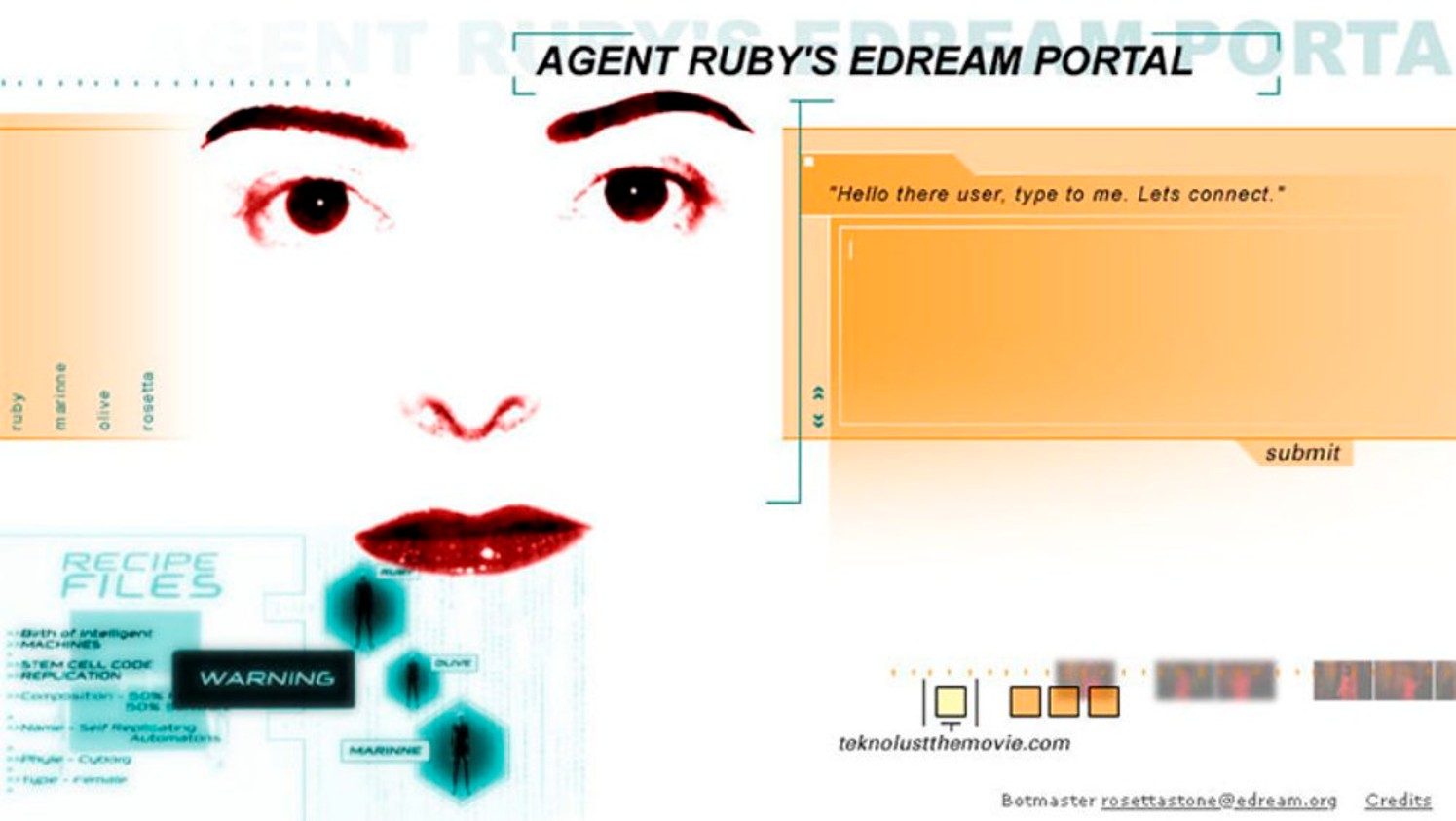
Lynn Hershman Leeson, Agent Ruby, 1998–2002. Collection of the San Francisco Museum of Modern Art. Gift of bitforms gallery, Gallery Paule Anglim, and the artist. Image source: Seoul Museum of Art website.
These investigations continued as computers
and the internet became increasingly embedded in everyday life. Agent
Ruby (1998–2002), a web-based project launched in 2002, allows
users to chat with a virtual female character on screen. Conversations with
Ruby reveal both the possibilities of human–computer communication and the
limitations of the technology. According to ZKM, Ruby sometimes responds that
she needs a better algorithm to answer a question.
Although its underlying technology differs
from contemporary generative AI, the questions Ruby raises remain relevant. Why
do people speak to virtual beings, and what kinds of responses create a sense
of intimacy or of being understood? Alongside technological capabilities,
Hershman Leeson made the emotions and expectations people project onto
technology part of the work.
An example of her investigation’s expansion
into biotechnology is The Infinity Engine, begun in
2014. Developed in collaboration with scientists, the installation recreates a
genetics laboratory and examines the effects of bioprinting, genetic
modification, and DNA information on human life and identity. Here, the focus
shifts from technologies that record human images and behavior to those that
alter the biological conditions of the body. What information defines a human
being, and who has the authority to modify it?
The exhibition’s English title, 《First Person Plural》, offers one way of
understanding this body of work. It can be read as drawing attention to the
multiple selves constructed through social relationships, media, and
technology, rather than to a single, fixed identity. For Hershman Leeson, the
self is both a subject who speaks and a being recorded and interpreted through
the gaze of others and the systems around it.
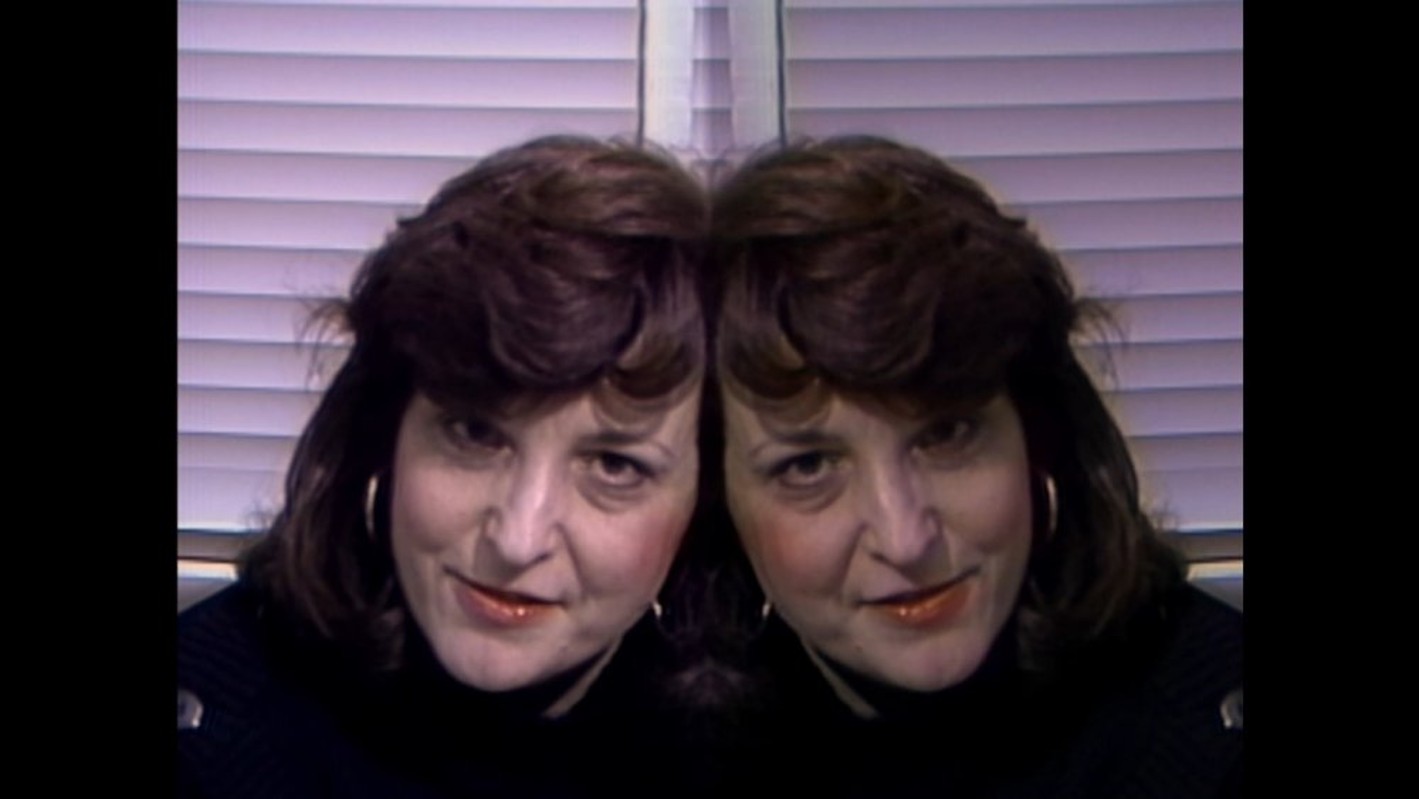
Lynn Hershman Leeson, The Electronic Diaries of Lynn Hershman Leeson, 1984–2019. Image source: Seoul Museum of Art website.
The Electronic Diaries of Lynn
Hershman Leeson (1984–2019), announced as
one of the exhibition’s major works, brings these questions into the artist’s
own experience. Speaking to the camera about her life, anxieties, and trauma,
Hershman Leeson reveals the gap between her lived self and her on-screen image.
MoMA describes how she fragments, multiplies, and mirrors her image as she
seeks to articulate her identity. The camera becomes both a tool for recording
herself and a medium through which she reconstructs herself.
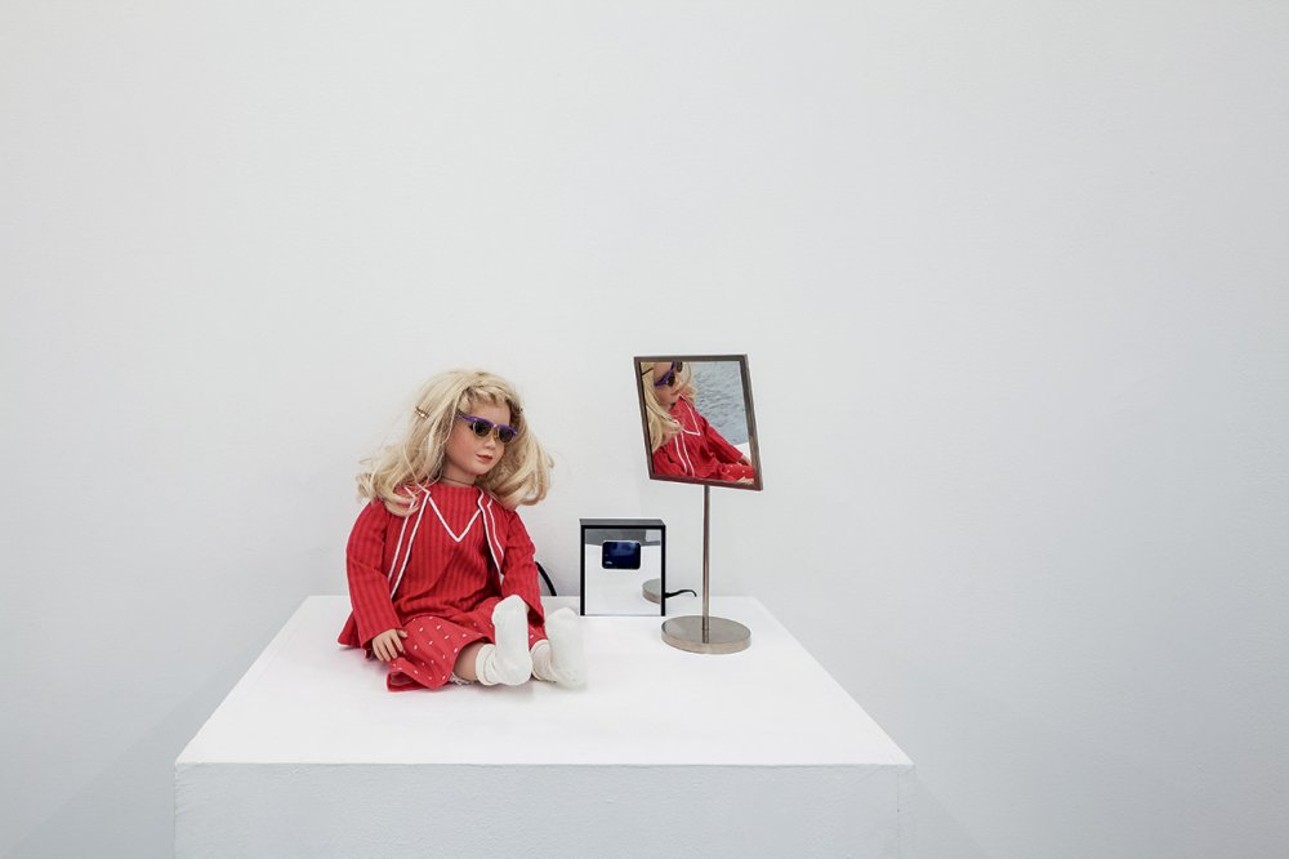
Lynn Hershman Leeson, CybeRoberta, 1996/2026. Image source: Seoul Museum of Art website.
The major works announced by the Seoul
Museum of Art range from Breathing Machine III and
works related to her three fictional art critics from the 1960s to CybeRoberta,
Lorna, and Agent Ruby, as
well as Self Portrait and About Time,
both dated 2025. This selection promises an opportunity to trace how questions
of human existence and identity have taken different forms as the artist’s
practice has moved across media.
In anticipation of 《First Person Plural》, the question is
not simply how accurately Hershman Leeson foresaw the future. Her work shows
that women’s bodies and social identities, viewers’ choices, conversations with
machines, and biological information are interconnected concerns. Technology
expands human capabilities while also shaping how people are seen, classified,
and defined.
In 2026, with artificial intelligence woven
into everyday life, the exhibition invites us to reconsider how questions of
identity and surveillance that seem newly urgent have already been explored in
art for decades. Hershman Leeson’s work asks us to examine technological
developments alongside the changing ways in which people understand themselves
and relate to others through them.
About the Artist
Lynn Hershman Leeson (b. 1941) is an
American media artist and filmmaker. Since the 1960s, she has explored
identity, surveillance, and relationships between humans and technology through
performance, conceptual art, photography, video, film, interactive
installations, and internet-based projects. Her concerns also include the
social position of women and minorities and the potential of media to challenge
censorship and political repression. She has held major solo exhibitions at
institutions including ZKM in Germany and the New Museum in New York. Her work
is represented in collections including the Museum of Modern Art (MoMA), New
York, and the San Francisco Museum of Modern Art (SFMOMA).
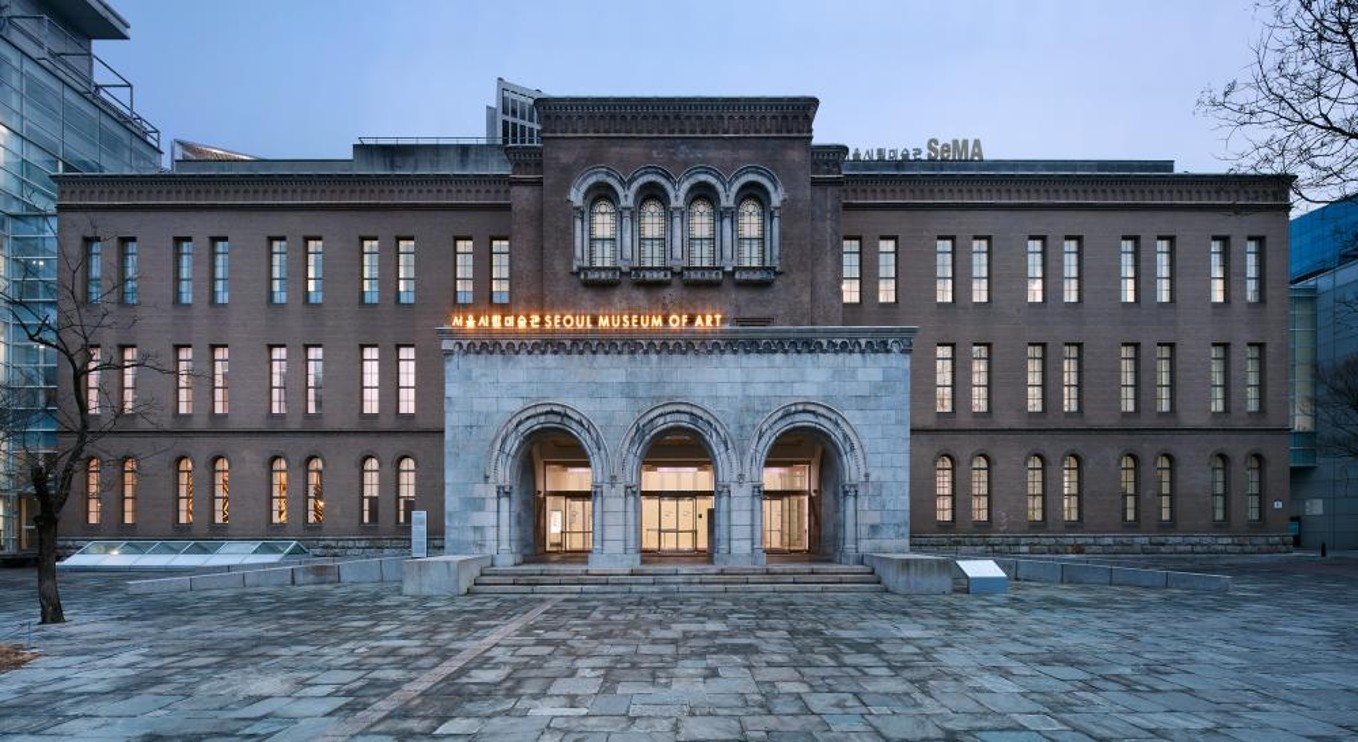
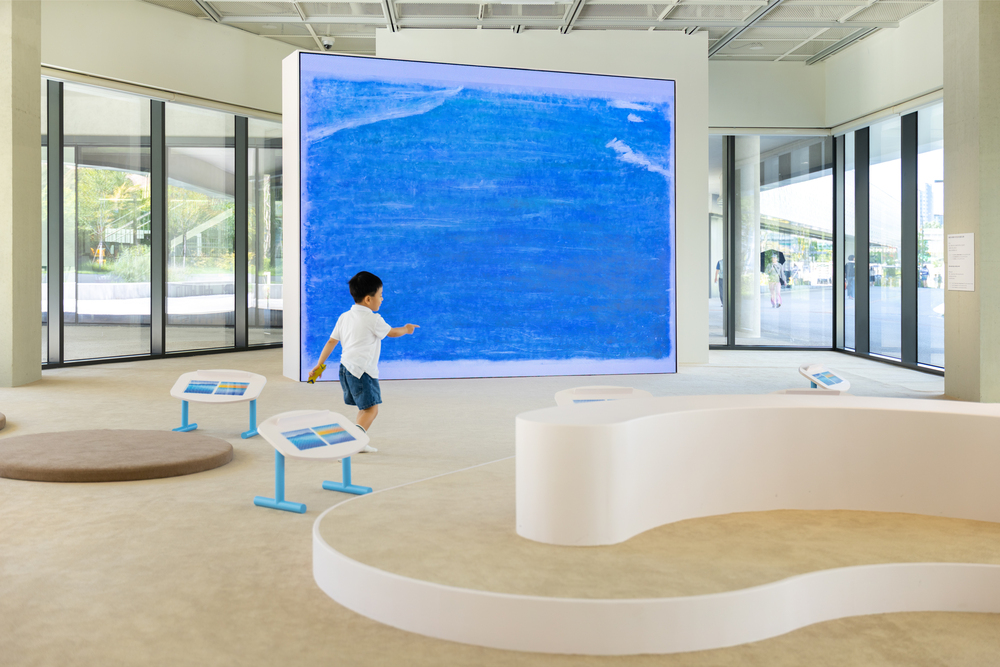
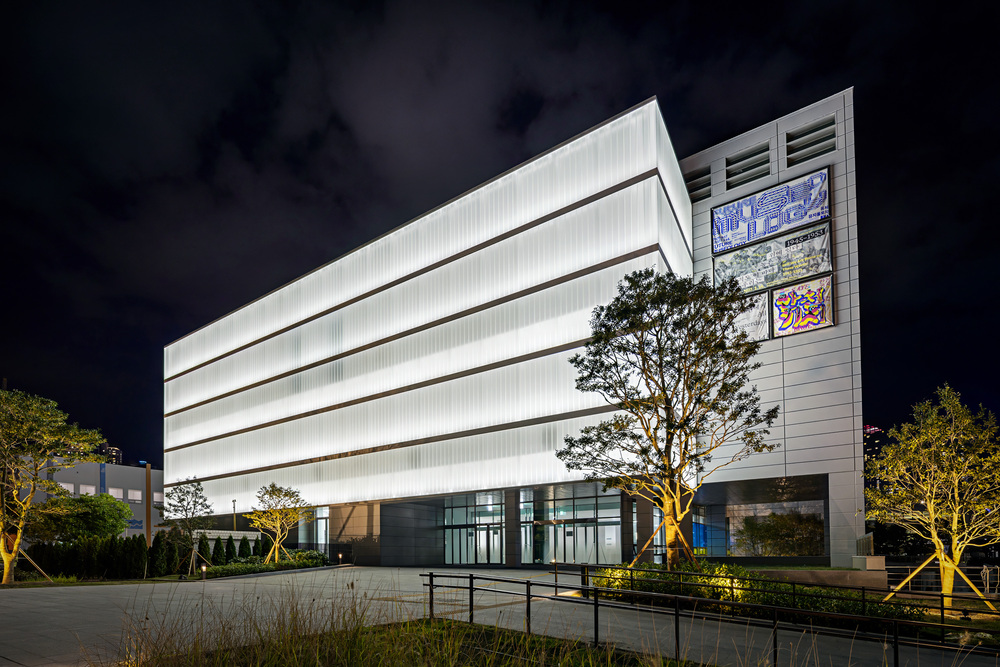
Exterior view of the Seoul Museum of Art, Seosomun Main Branch. Image source: Seoul Museum of Art website.
About the Museum
The Seoul Museum of Art (SeMA) operates as
a network of museum branches and spaces. The Seosomun Main Branch, where this
exhibition will take place, is located in Seoul’s Jeong-dong neighborhood and
combines the preserved façade of the former Supreme Court building with
contemporary architecture. The museum presents exhibitions and projects
connecting Korean contemporary art with the international art world, alongside
education, research, screenings, workshops, and performances.
Exhibition Information
Title: 《Lynn Hershman Leeson: First Person
Plural》
Dates: October 21, 2026–February 21, 2027
Venue: Exhibition halls on the second and third floors, and the
third-floor Crystal Gallery, Seoul Museum of Art, Seosomun Main Branch
Address: 61 Deoksugung-gil, Jung-gu, Seoul, Republic of Korea
Admission: Free
Opening hours: Tuesday–Thursday, 10 am–8 pm; Friday, 10 am–9 pm. Saturdays,
Sundays, and public holidays: 10 am–7 pm in October; 10 am–6 pm from November
through February
Closed: Mondays and January 1. Open when Monday falls on a public holiday
Last
admission: One hour before closing
Websites
Official
Exhibition Page
Seoul Museum of Art
Lynn Hershman
Leeson