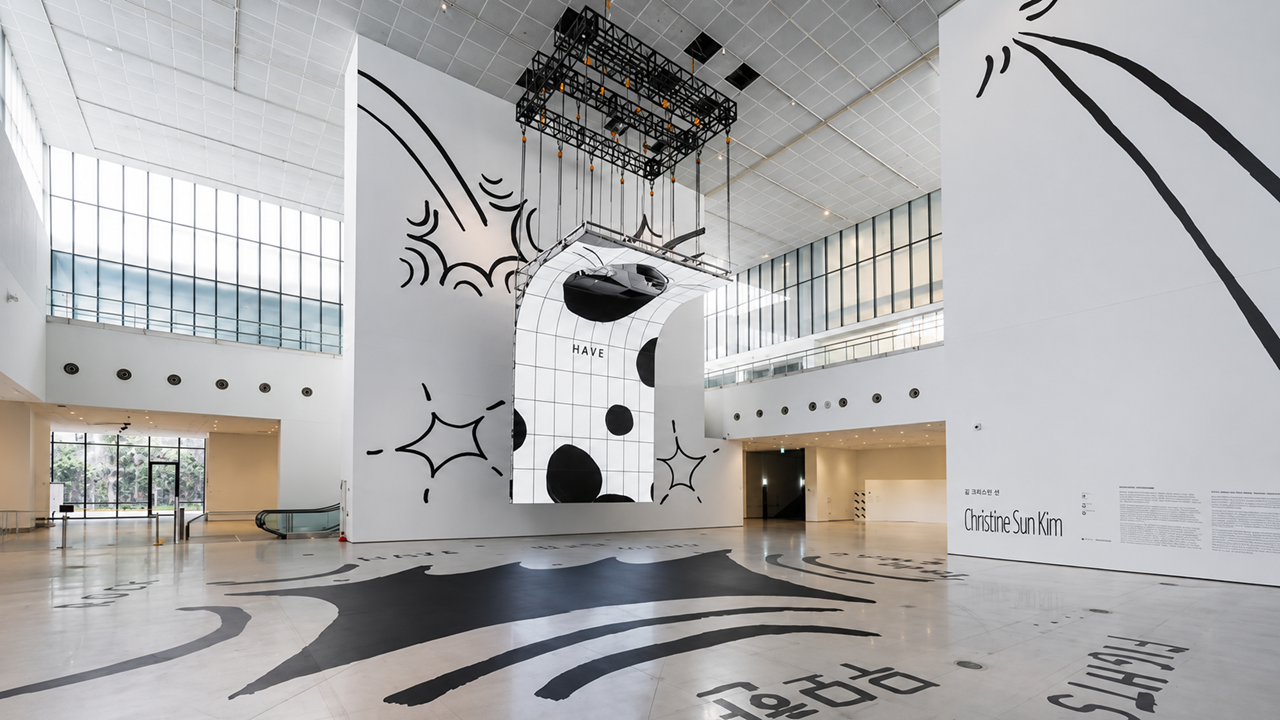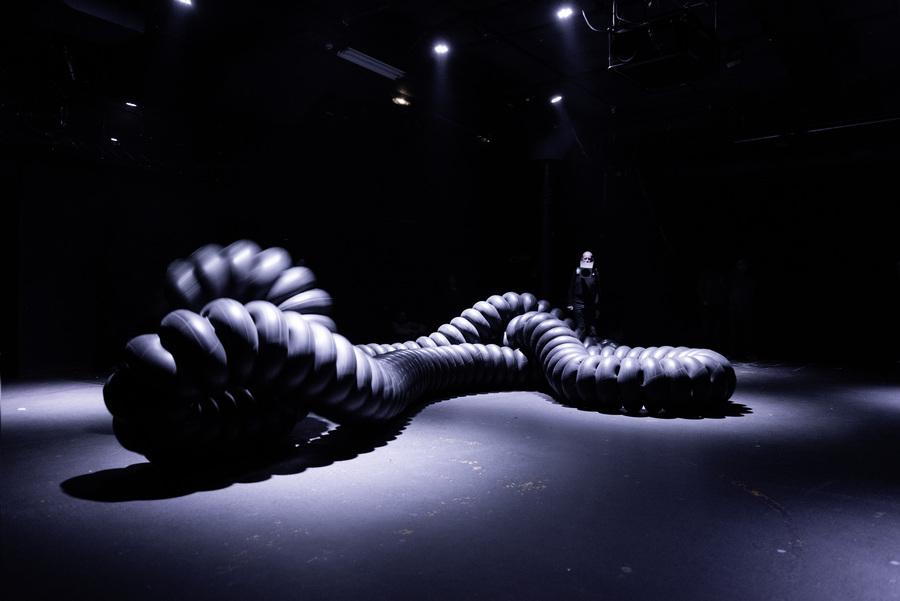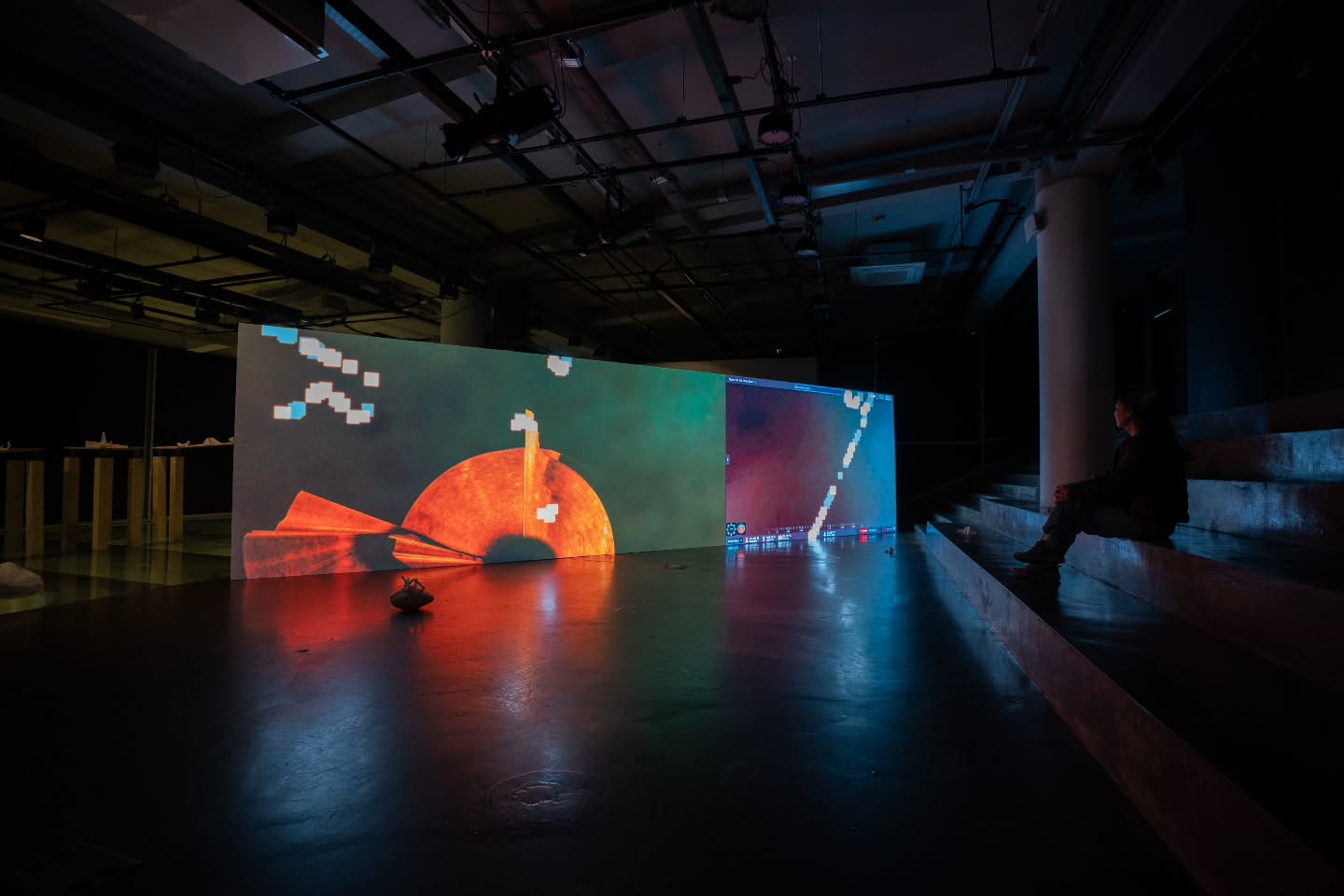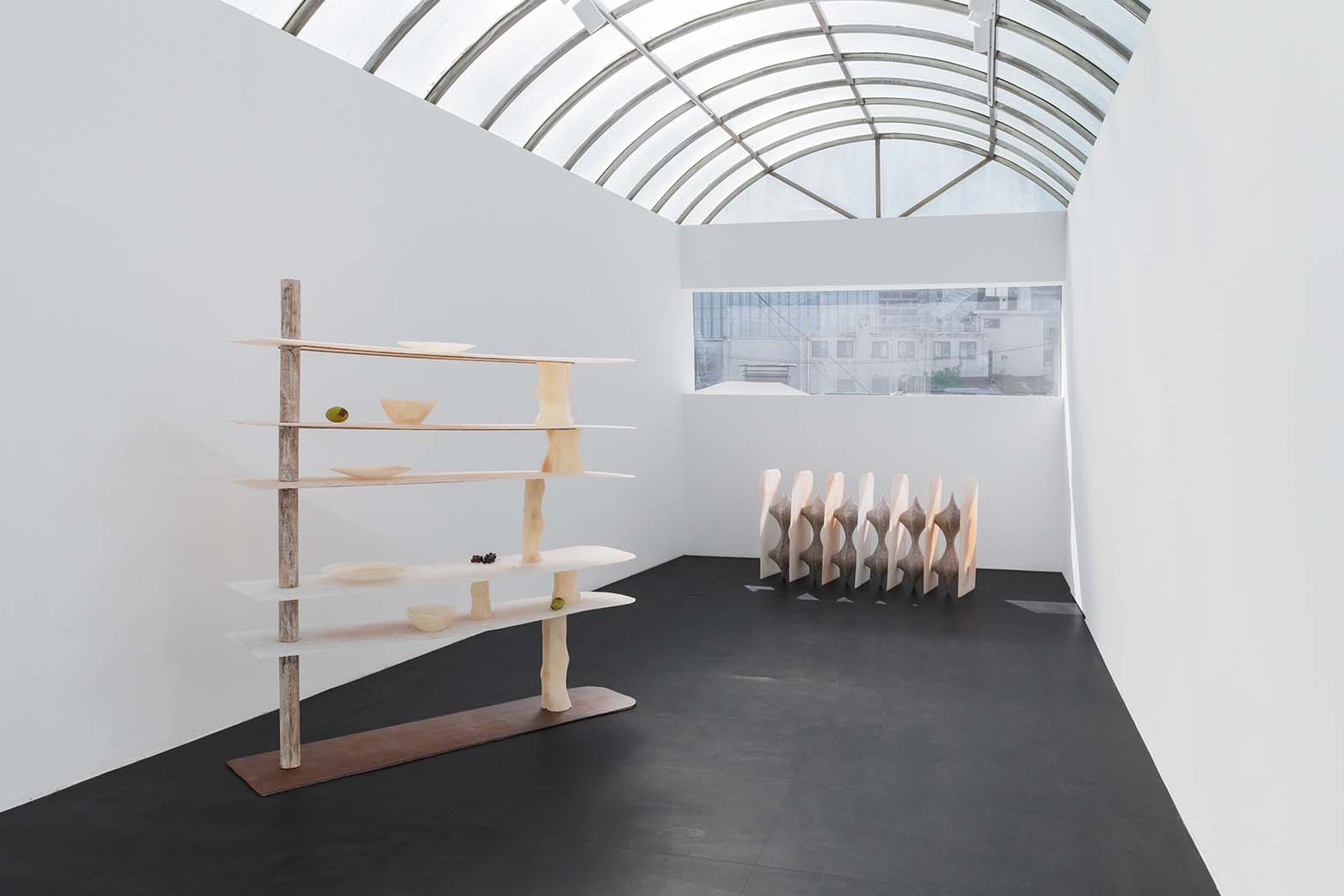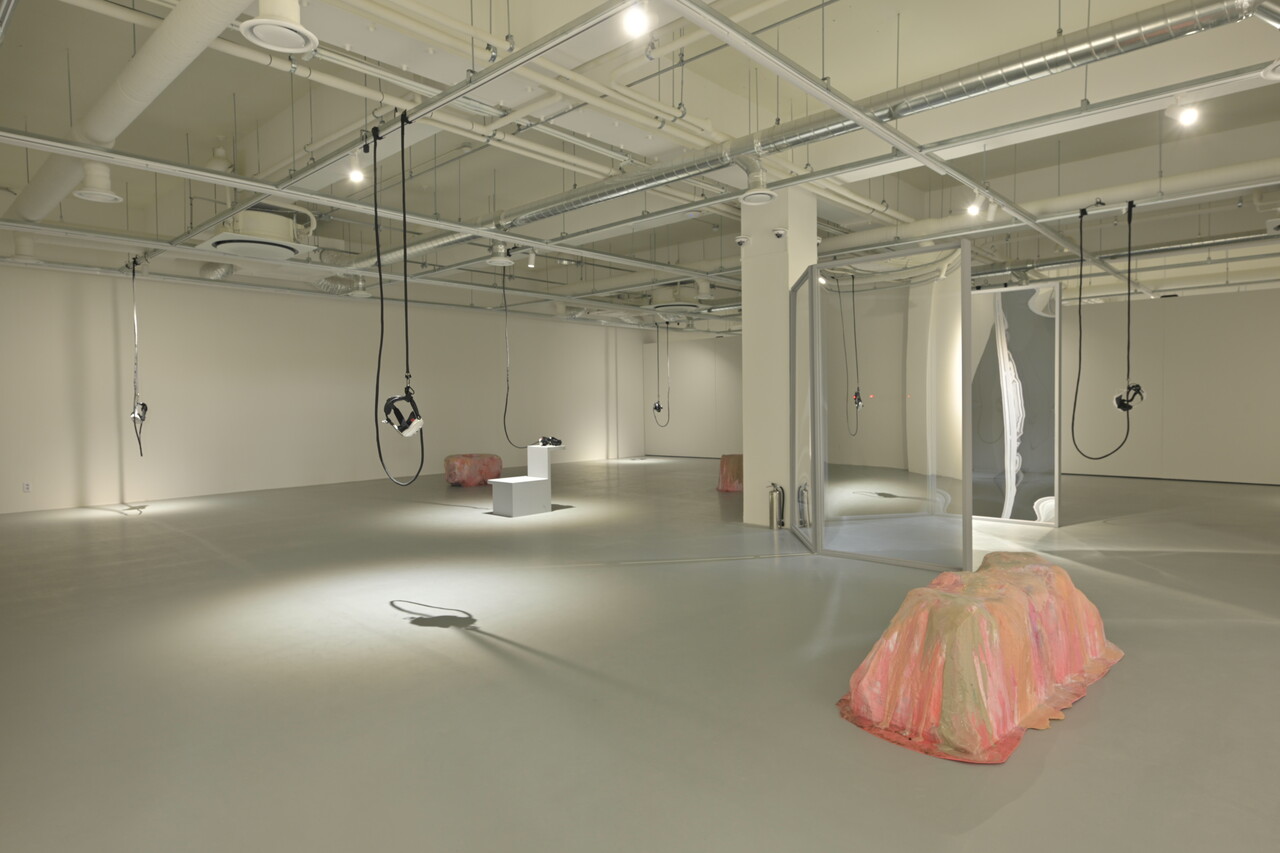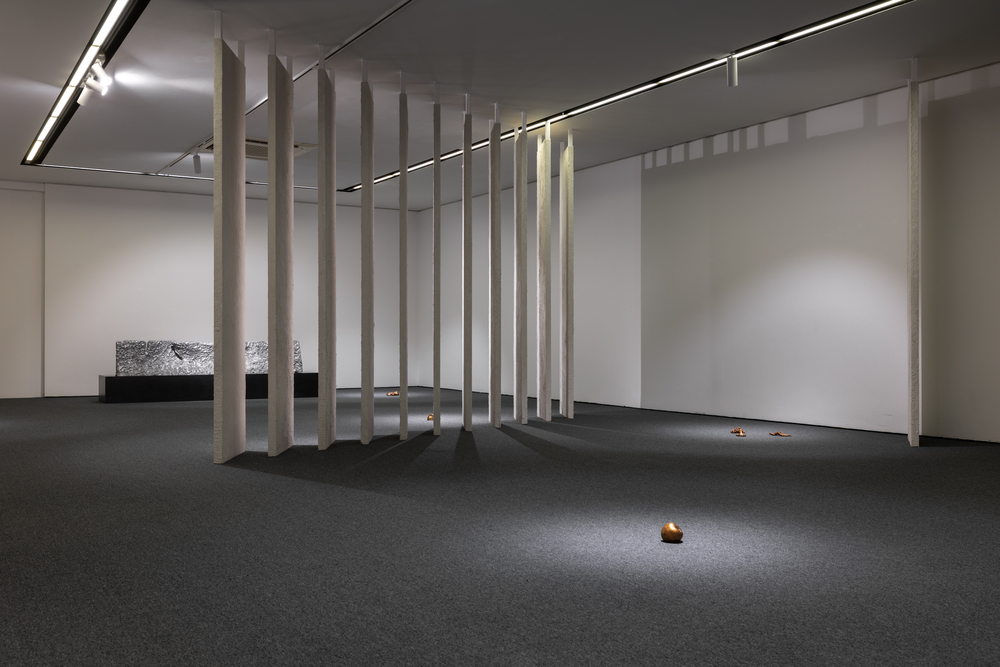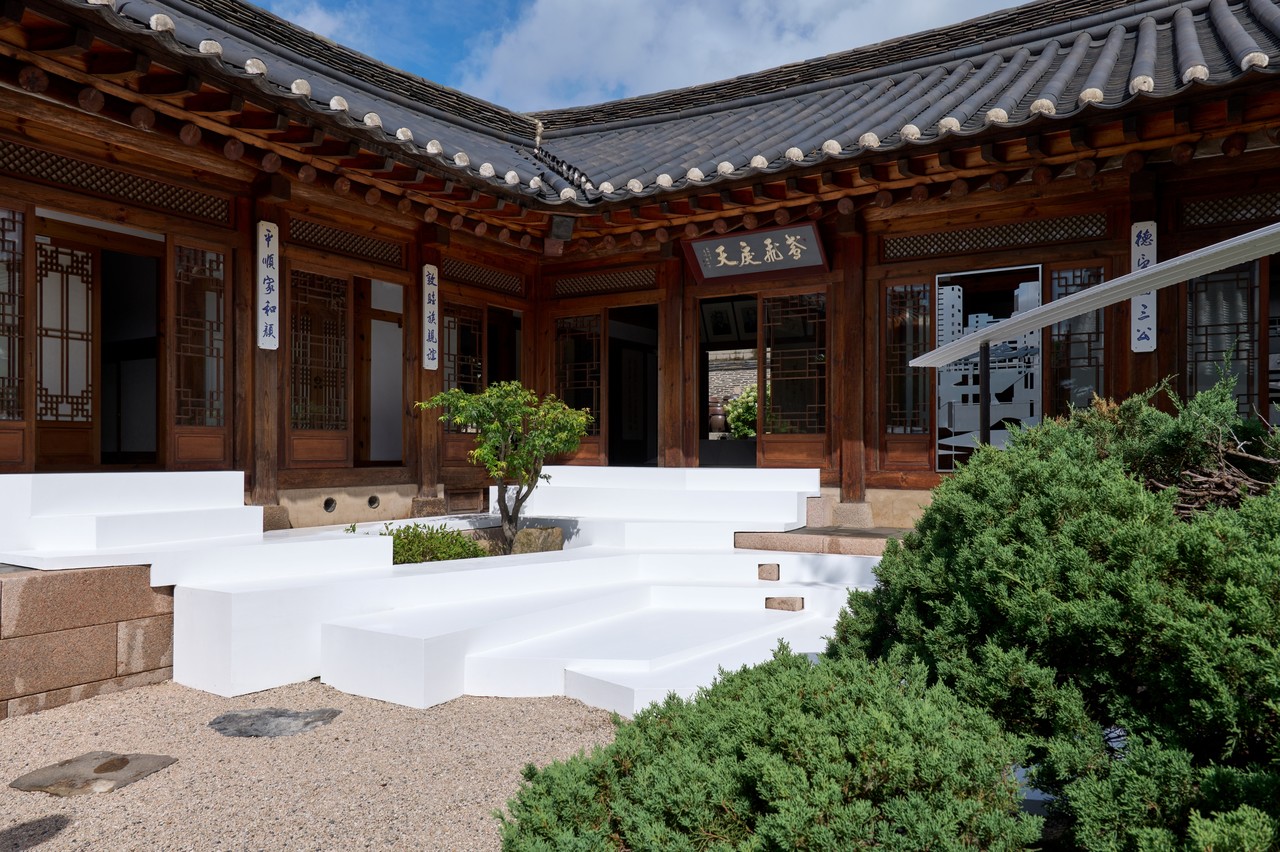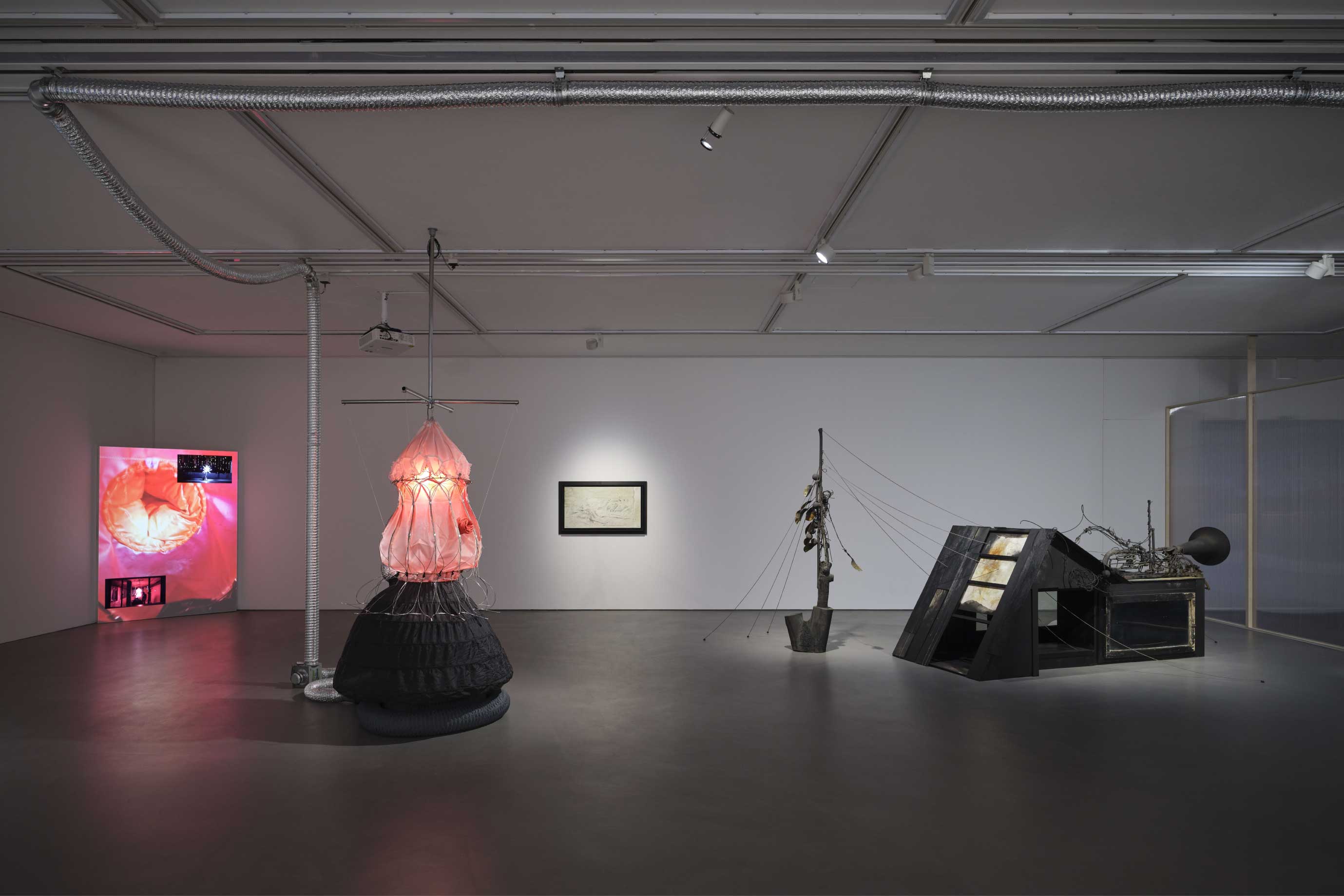

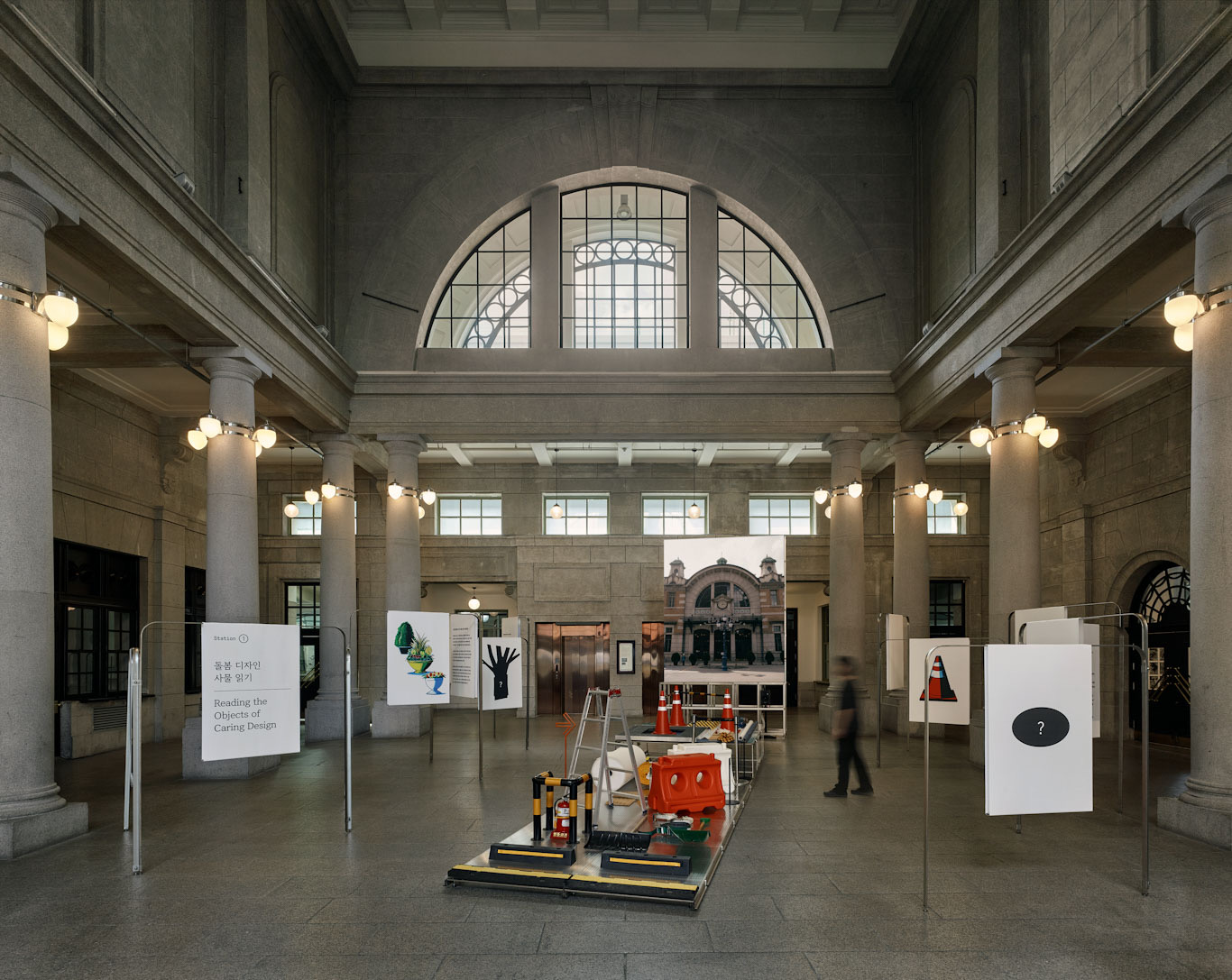
Installation view of 《Caring by Design》 / Photo: Culture Station Seoul 284
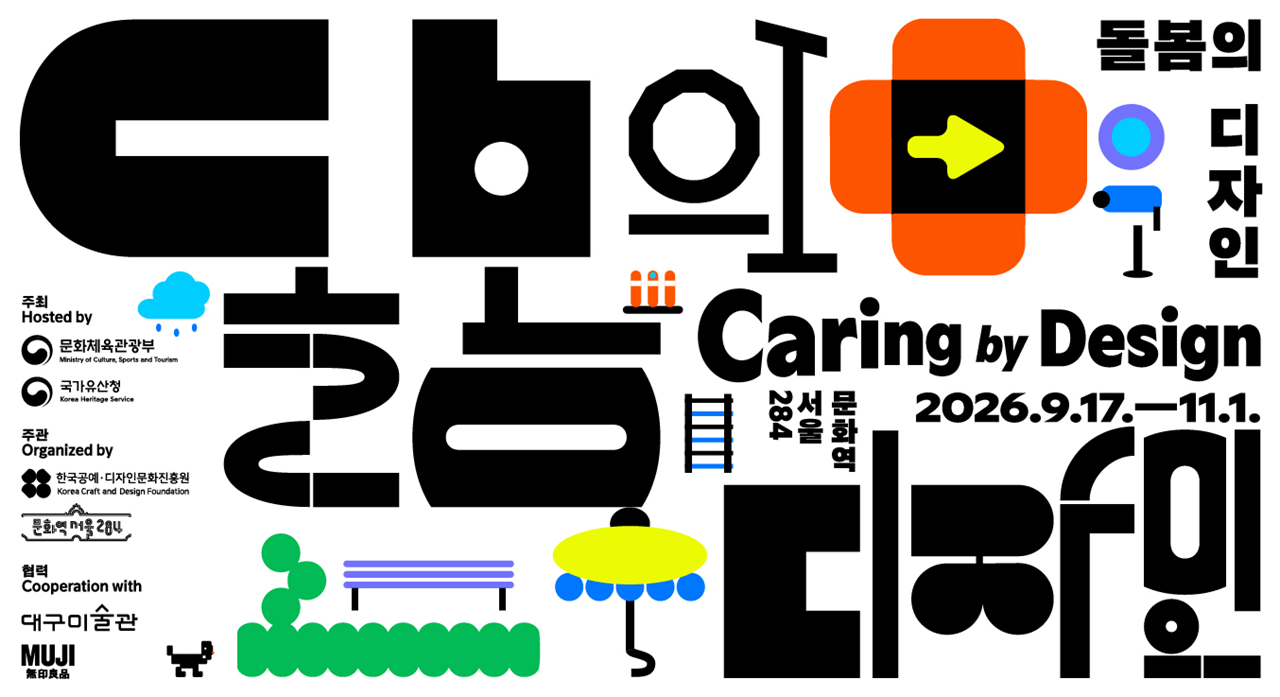
《Caring by Design》, on view at Culture Station Seoul 284 through November 1, 2026,
examines the labor and relationships that sustain the spaces of everyday life.
It expands the scope of public design beyond the creation of new places and
facilities to include their ongoing maintenance and care.
Hosted by the Ministry of Culture, Sports
and Tourism and the Korea Heritage Service, and organized by the Korea Craft
& Design Foundation, the exhibition is led by curator Dahyoung Chung. Chung
is a member of CAC (Curating Architecture Collective), which curated the Korean
Pavilion at the 2025 Venice Architecture Biennale.
Featuring 33 works by 20 artists,
designers, and collaborative teams from Korea and abroad, the exhibition brings
together photography, sculpture, installation, video, and architectural models.
Its four sections—“Sweeping, Wiping, Erasing,” “Tending Architecture,” “Caring
for the City,” and “Invisible Labor”—move from everyday acts to buildings and
cities, and to the people who maintain them.
Here, care extends beyond interpersonal
consideration and welfare. It is also a spatial practice: tending to buildings,
objects, landscapes, and everyday environments so that they can continue to
serve their purpose. Public space does not fulfill its public role simply by
being declared open to everyone. It must remain safe to access and comfortable
to inhabit. The exhibition brings the work of sustaining these conditions into
the scope of design.
One participant who articulates this
perspective particularly clearly is the Finnish architectural practice Vokal.
Founded by Ella Kaira and Matti Jänkälä, Vokal explores existing buildings,
adaptive reuse, and the transformation of spaces in collaboration with local
communities.
Its audiovisual installation draws on The
Pavilion – Architecture of Stewardship, the exhibition Kaira and
Jänkälä curated for the Finnish Pavilion at the 2025 Venice Architecture
Biennale.
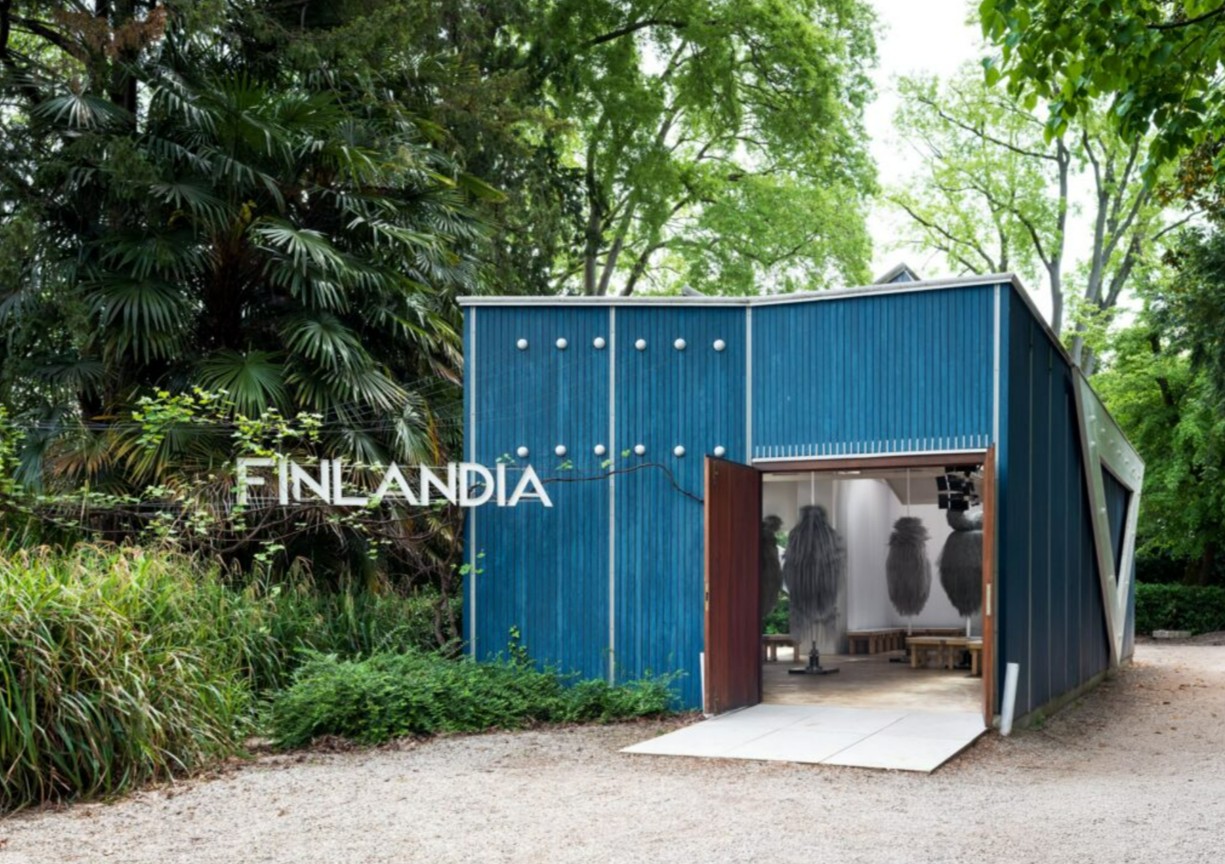
The Finnish Pavilion during Jenna Sutela’s Aeolian Suite at the 61st International Art Exhibition—La Biennale di Venezia, 2026. Reference image of the pavilion building. Courtesy of Frame Contemporary Art Finland.
The work focuses on the Finnish Pavilion,
designed by Alvar Aalto and his office and built in 1956. Vokal examines how
three major restorations and decades of maintenance have enabled the building
to endure. Moving images and sound convey memories embedded in the pavilion,
recognizing construction workers, caretakers, cleaners, and restoration
architects alongside its designers as contributors to the building’s continuing
life.
Andrés Jaque’s work likewise examines the
systems of maintenance behind architecture’s polished surfaces. PHANTOM.
Mies as Rendered Society, a project by his practice, the Office
for Political Innovation, investigates the Barcelona Pavilion.
The basement of the reconstructed pavilion
housed equipment, replaced materials, and objects needed for its upkeep. Jaque
brought some of these items into the spaces above, revealing the materials and
activities usually excluded from the building’s public image.
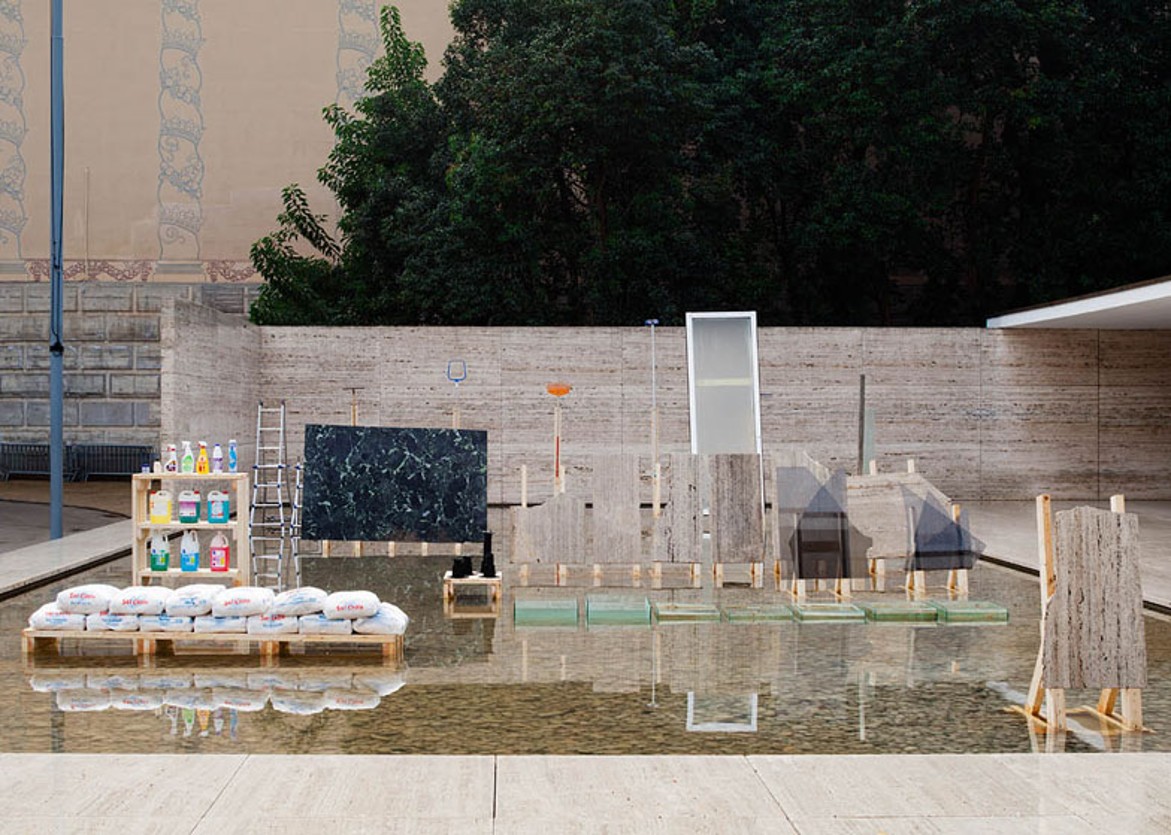
>PHANTOM. Mies as Rendered Society by Andrés Jaque / Image source: Dezeen
Viewed within the context of this
exhibition, Jaque’s project invites us to reconsider what we include when
looking at architecture. When the tools, equipment, and spaces of labor that
sustain an orderly environment become visible, a building emerges as a complex
social setting shaped by ongoing work.
Mierle Laderman Ukeles’s participation adds
an art-historical dimension to these concerns. In her 1969 ‘Manifesto for
Maintenance Art’, Ukeles asserted the importance of the activities that
sustain everyday life and society. Her practice has brought domestic work,
care, cleaning, and urban sanitation into the realm of art. In her landmark Touch
Sanitation Performance of 1979–80, she met approximately 8,500
New York City sanitation workers. This earlier project provides a broader
context for her longstanding exploration of maintenance, care, and labor.
The Korean participants carry these
questions into local experiences of architecture, the city, and the body.
Architect Lee Byungyeob and choreographer Cha Jinyeob’s collaborative work Pyeongpyeong
draws on ‘kongdaem’, a traditional method of treating and maintaining
paper flooring. The technique involves grinding soaked soybeans, mixing them
with oil, and applying the mixture to the floor, emphasizing the physical acts
of working with materials and tending a surface.
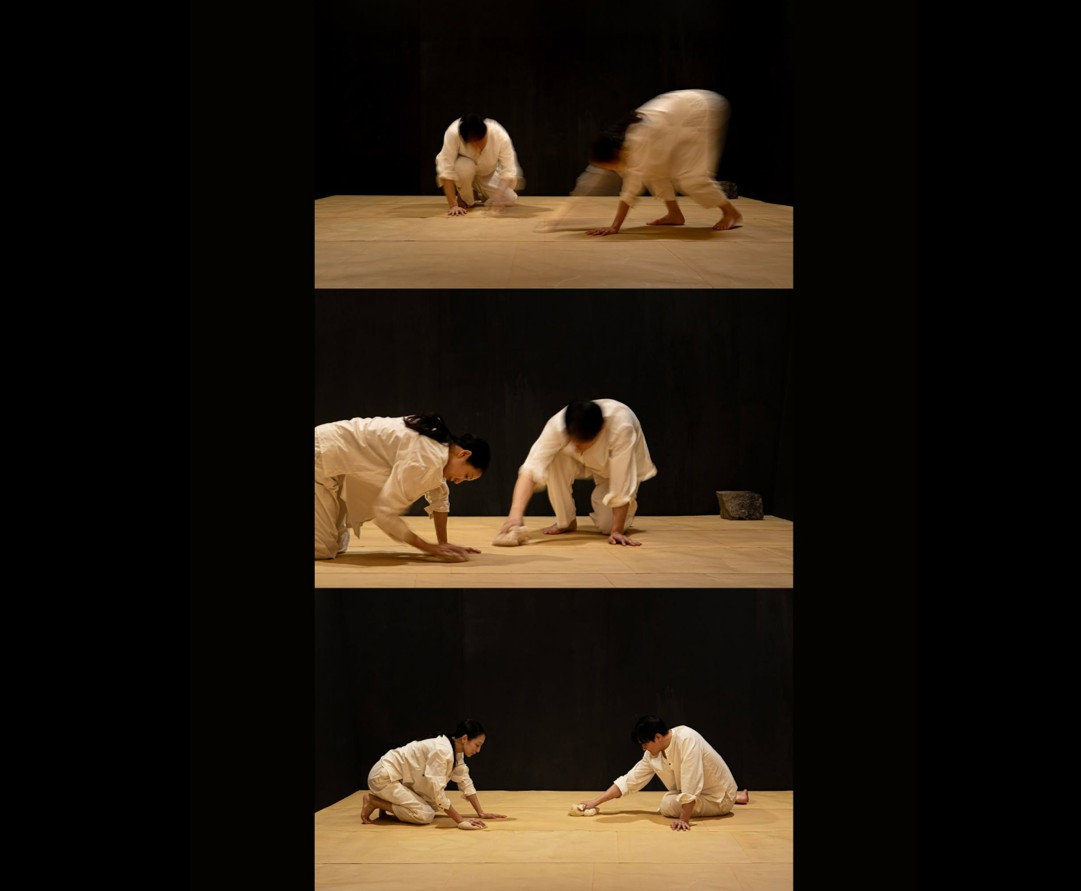
Performance of Pyeongpyeong, a collaboration between architect Lee Byungyeob and choreographer Cha Jinyeob / Photo: Culture Station Seoul 284 Facebook page
The installation reconfigures ‘kongdaem’-treated
hanji flooring that approximately 200 participants tended over 208 hours during
an earlier exhibition, grinding soybeans and rubbing the mixture into its
surface. An accompanying program invites visitors to grind soybeans, care for
the paper floor, and explore the relationship between body and ground through
simple movements. The floor becomes both a support for the artwork and a
surface that accumulates the time and gestures of many people.
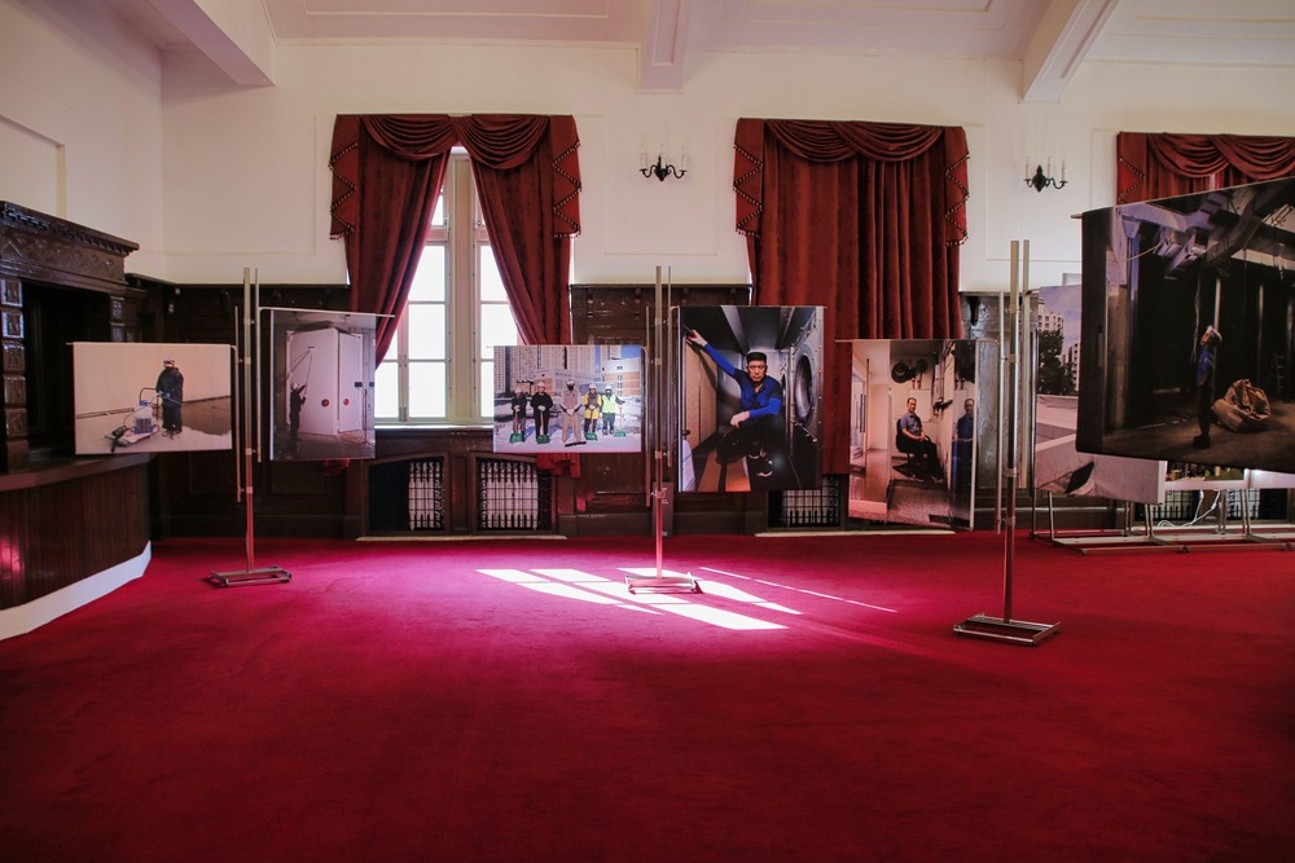
Portraits of people working on site by KIM Taedong / Photo: Culture Station Seoul 284
Photographer KIM Taedong presents portraits
of caretakers and construction workers he encountered while documenting
architecture. Landscape architect Jung Youngsun’s Seonyudo Park archive and
Mid-Size City Forum’s work on architecture and regional decline offer distinct
perspectives on cities and local change. Together, these works extend the scope
of care beyond individual buildings to urban infrastructure and the
transformation of communities.
“Public Design Docking Stations” throughout
the exhibition connect the questions raised by the artworks to public policy
and civic practice. The west corridor on the first floor presents this year’s
Korea Public Design Award winners, while the “Public Design Lounge” in the
second-floor Grill introduces developments in public design through reference
materials and past award-winning projects.
The projects presented include a community
safety design initiative in Hangangno-dong, Yongsan-gu, developed through
resident participation; the “Children’s Room of Tomorrow” at Dujeong Library in
Cheonan; and an inclusive, barrier-free playground in Paju. These examples
demonstrate how public design addresses safety, accessibility, and the everyday
experiences of different users, alongside the physical appearance of a place.
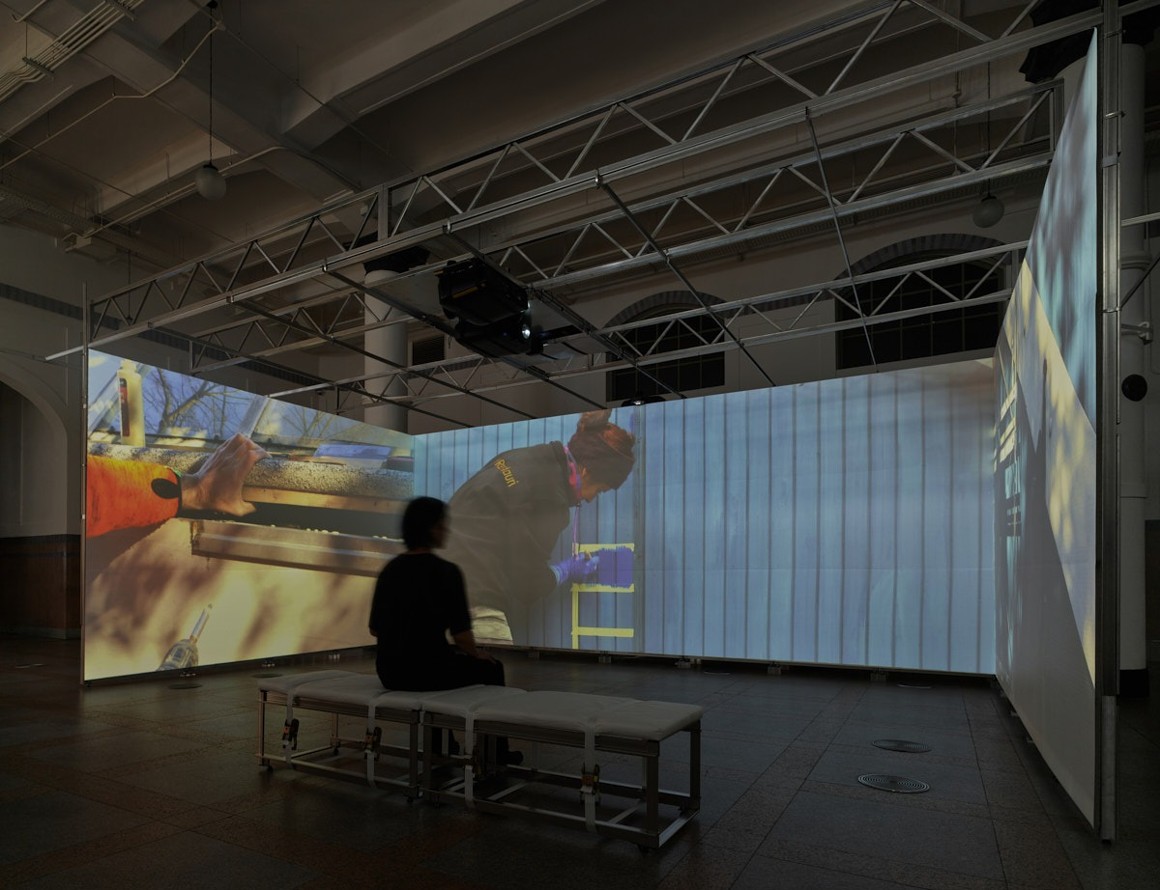
Installation view of 《Caring by Design》 / Photo: Culture Station Seoul 284
《Caring by Design》 introduces the dimension of time into how we assess public space.
Alongside the visual impact of a completed project, it asks whether people can
continue to use it comfortably and what forms of labor and relationships make
this possible. Care emerges as both the practical work of maintaining a space
and an attentiveness to the lives of those who share it. The exhibition directs
our attention from the artworks to the building around them, and outward to the
everyday spaces of the city.
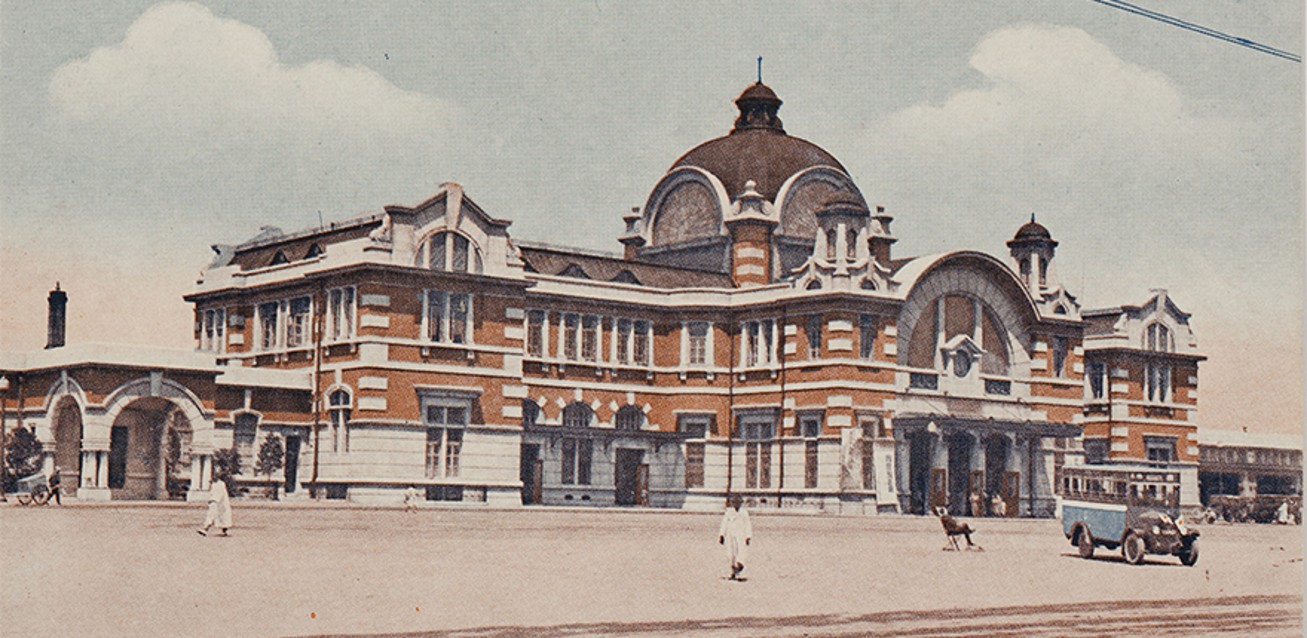
The former Seoul Station building at the time of its completion / Photo: Culture Station Seoul 284 website
Culture Station Seoul 284
Culture Station Seoul 284 is a
multidisciplinary cultural venue that opened in 2011 following the restoration
of the former Seoul Station building. Completed in 1925 as Gyeongseong Station,
the building was renamed Seoul Station in 1947. After the new station opened in
2004, the old building ceased operating as a railway station. Restoration work
carried out between 2009 and 2011 restored its original architectural features
and prepared it for use as a cultural venue. The number “284” refers to the
former station’s historic site designation number.
Exhibition Information
Title: 《Caring
by Design》
Dates: September 17–November 1, 2026
Venue: Culture Station Seoul 284, Floors 1–2
Address: 1 Tongil-ro, Jung-gu, Seoul, Republic of Korea
Hours: Tuesday–Sunday, 10:00 a.m.–6:00 p.m.; Wednesdays, 10:00 a.m.–7:00 p.m.
Last admission: 30 minutes before closing
Closed: Mondays and Chuseok Day
Admission: Free
Hosted by: Ministry of Culture, Sports and Tourism; Korea Heritage Service
Organized by: Korea Craft & Design Foundation
Lead Curator: Dahyoung Chung (CAC)
Curators: Heejung Kim, Sungkyu Jung
Inquiries: +82-2-3407-3506
Website: Culture
Station Seoul 284—Official Exhibition Information