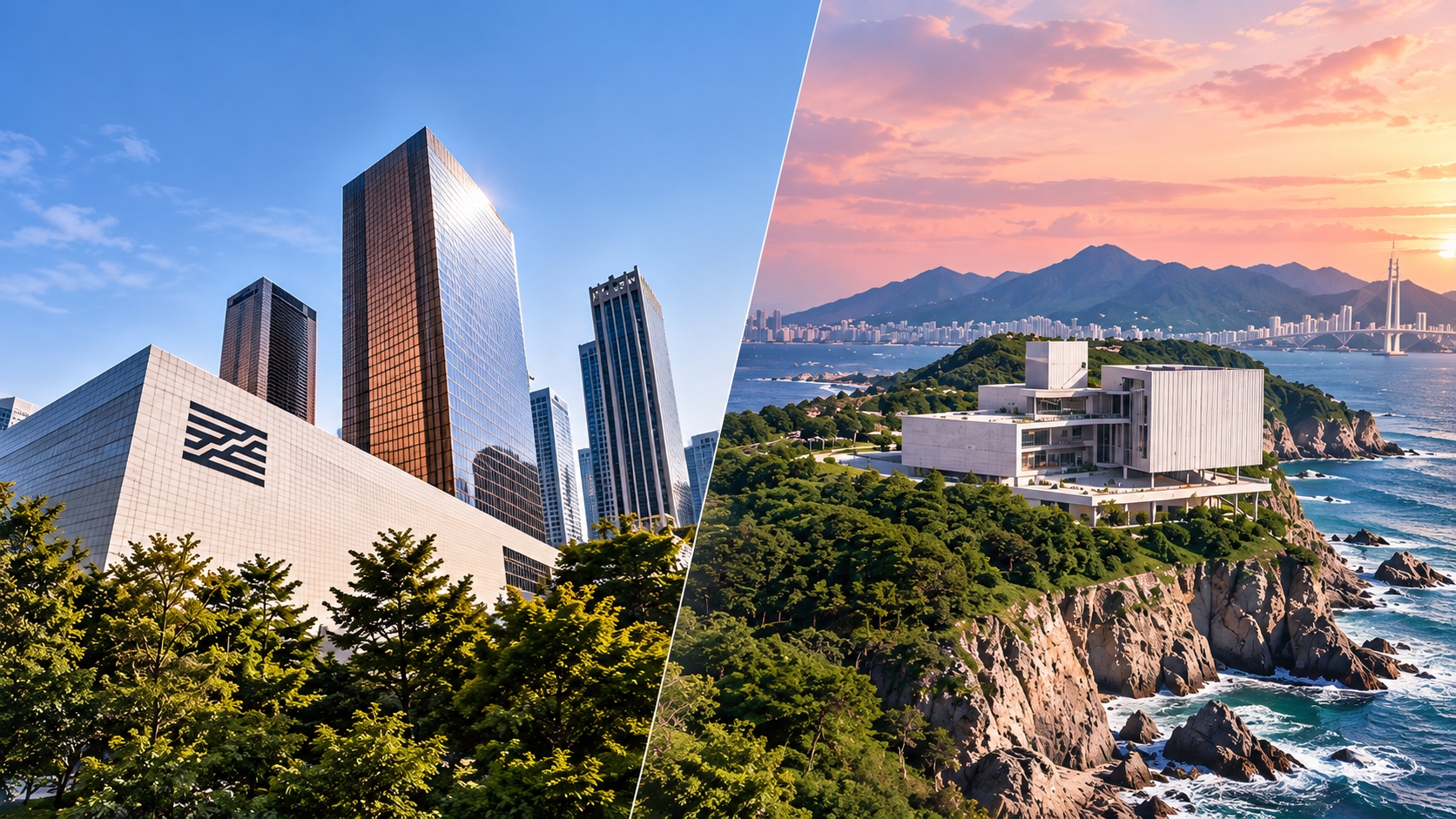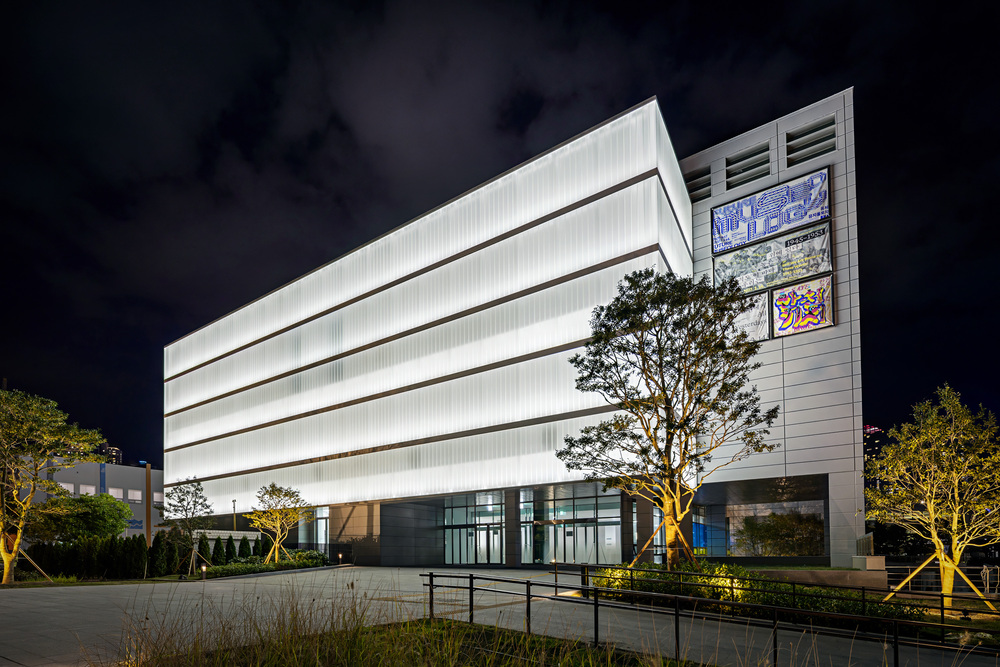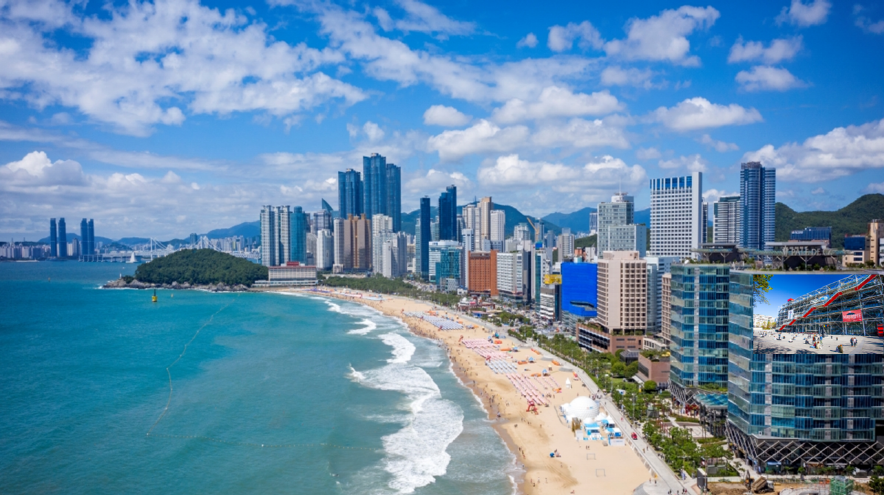

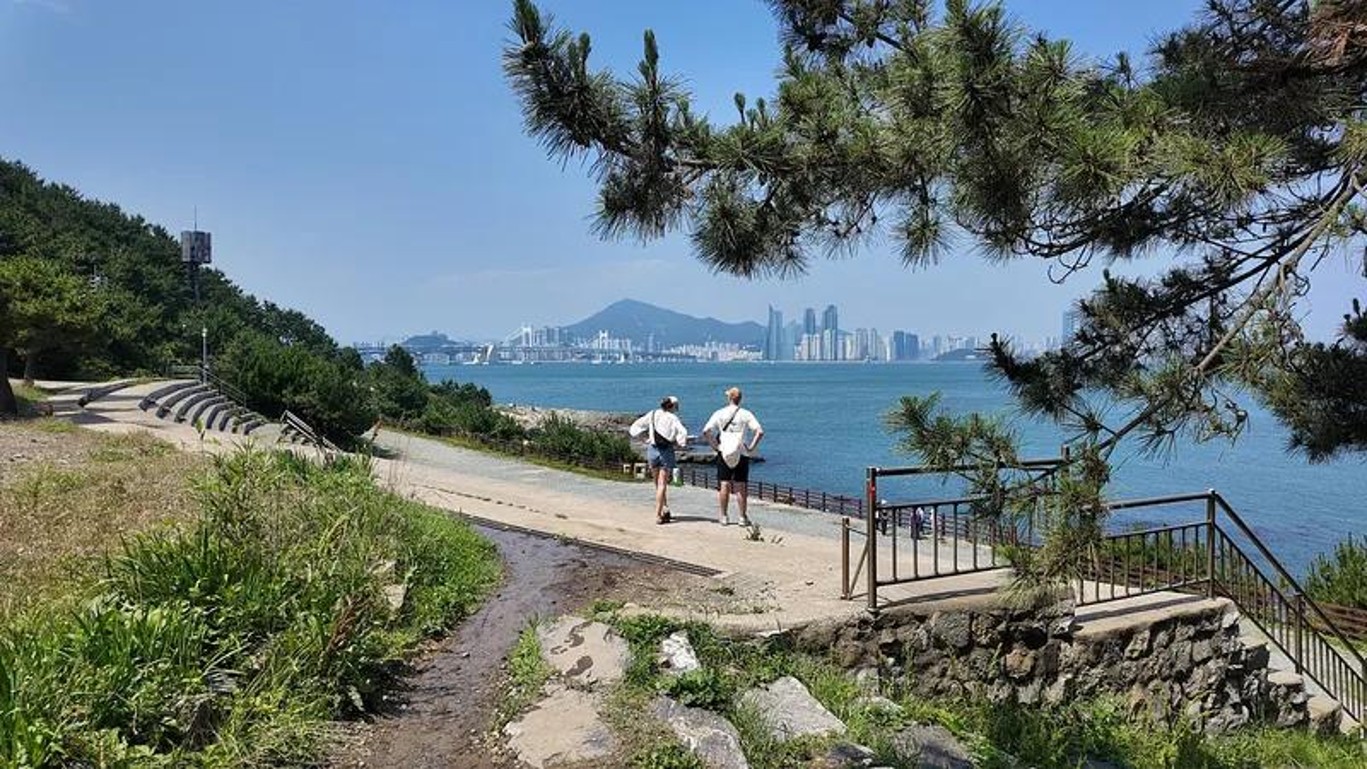
The Igidae Park Eoullimadang area in Busan, previously considered as the site for the proposed Centre Pompidou branch.
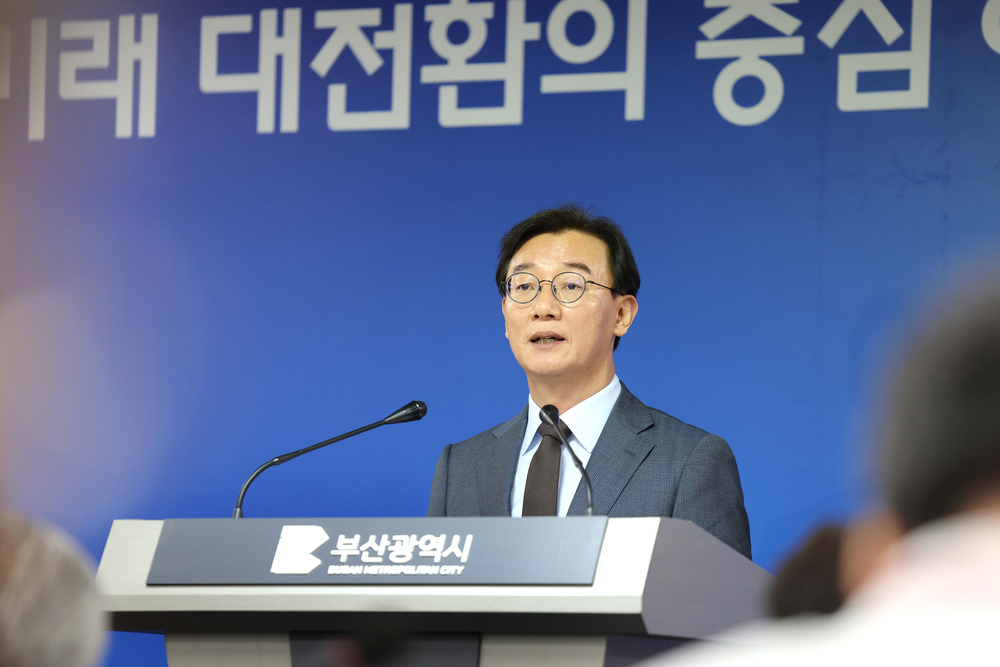
On October 14, 2026, Busan Mayor Jeon
Jae-soo announced at a press conference that the city would abandon its plans
to establish a branch of the Centre Pompidou in Igidae. The city cited concerns
over environmental damage, difficulties in safeguarding the public interest
under the proposed contractual arrangements, substantial financial burdens, and
insufficient integration with the local art ecosystem.
According to the initial feasibility and
planning study, the project was estimated to require approximately KRW 110
billion in construction costs, with annual operating expenses of around KRW
12.5 billion. The city concluded that the project's anticipated public benefits
and economic impact had not been sufficiently demonstrated to justify such
financial commitments.
The decision carries implications beyond
the cancellation of a single international museum project. Local governments
across South Korea have increasingly viewed the attraction of prestigious
international cultural institutions as a means of enhancing urban
competitiveness and cultural standing. Yet access to the reputation and
collections of an internationally renowned museum does not necessarily
translate into the development of a city's own artistic and cultural
infrastructure.
Of particular significance is the fact that
Centre Pompidou Hanwha has already opened in Seoul. With an institution
affiliated with the same French museum now operating in the capital, what
distinctive cultural role could a Busan branch have fulfilled? And was that
role sufficiently defined to justify the substantial investment of public
funds?
Ultimately, the debate raises a fundamental
question: What distinguishes importing the brand of a world-renowned museum
from building a museum of genuinely international standing?
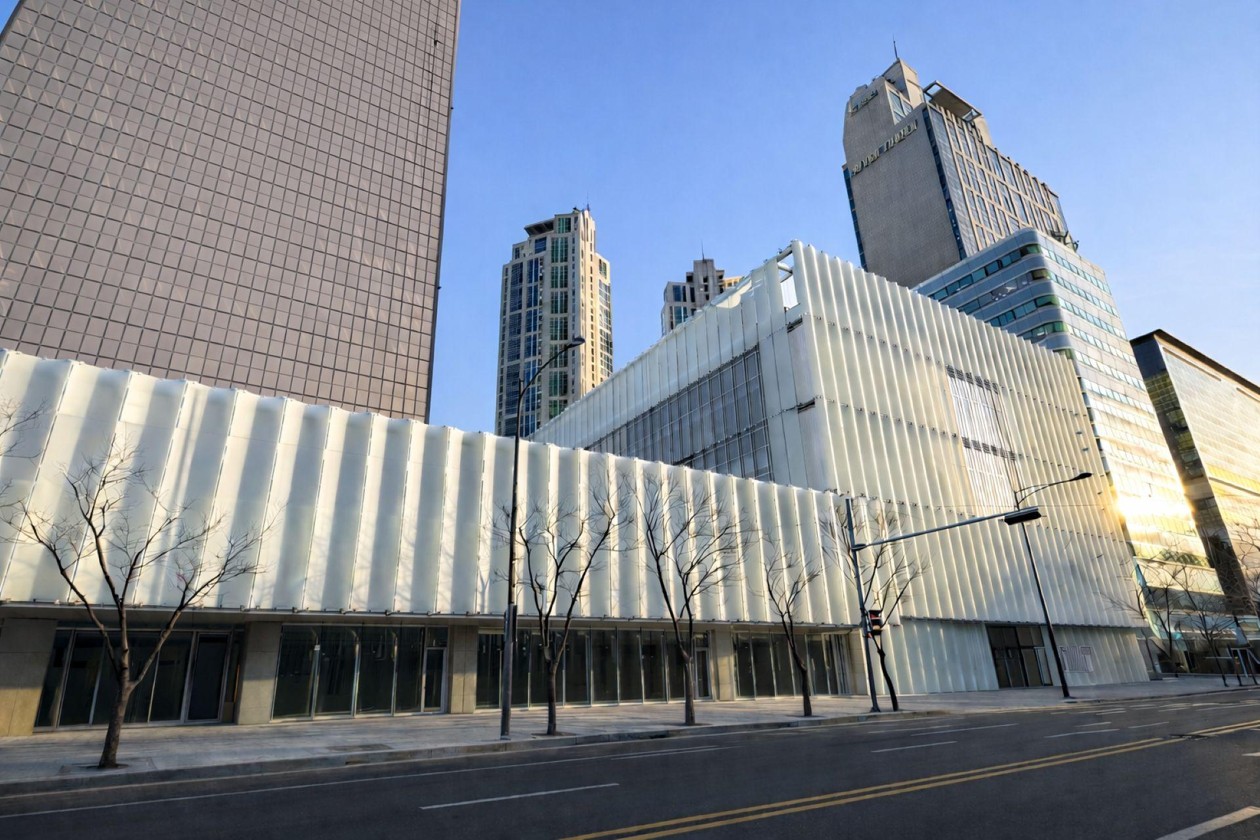
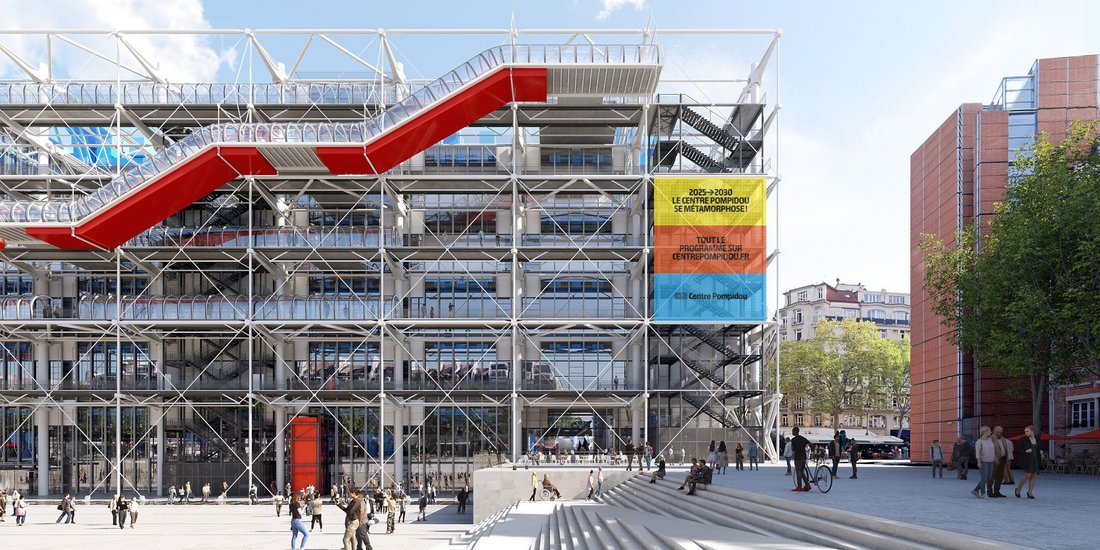
Centre Pompidou Hanwha, 63 Building, Yeouido, Seoul. Opened in 2026. / Photo: Hanwha.
Seoul Already Has a Centre
Pompidou — What Would Have Made Busan Different?
Opened in June 2026 at the 63 Building in
Yeouido, Seoul, Centre Pompidou Hanwha was established through a partnership
between France's Centre Pompidou and the Hanwha Foundation of Culture. Housed
in a renovated existing building, the museum presents works from the Centre
Pompidou's modern and contemporary art collection alongside its own curated
exhibitions and contemporary art programs.
The proposed Busan branch, by contrast, was
conceived as a publicly funded institution, with the municipal government
responsible for constructing a new museum and supporting its long-term
operation. Although both projects were based on partnerships with the same
international museum, they differed in governance, funding structures, and
public accountability.
Comparing Centre Pompidou
Hanwha and the Proposed Busan Branch
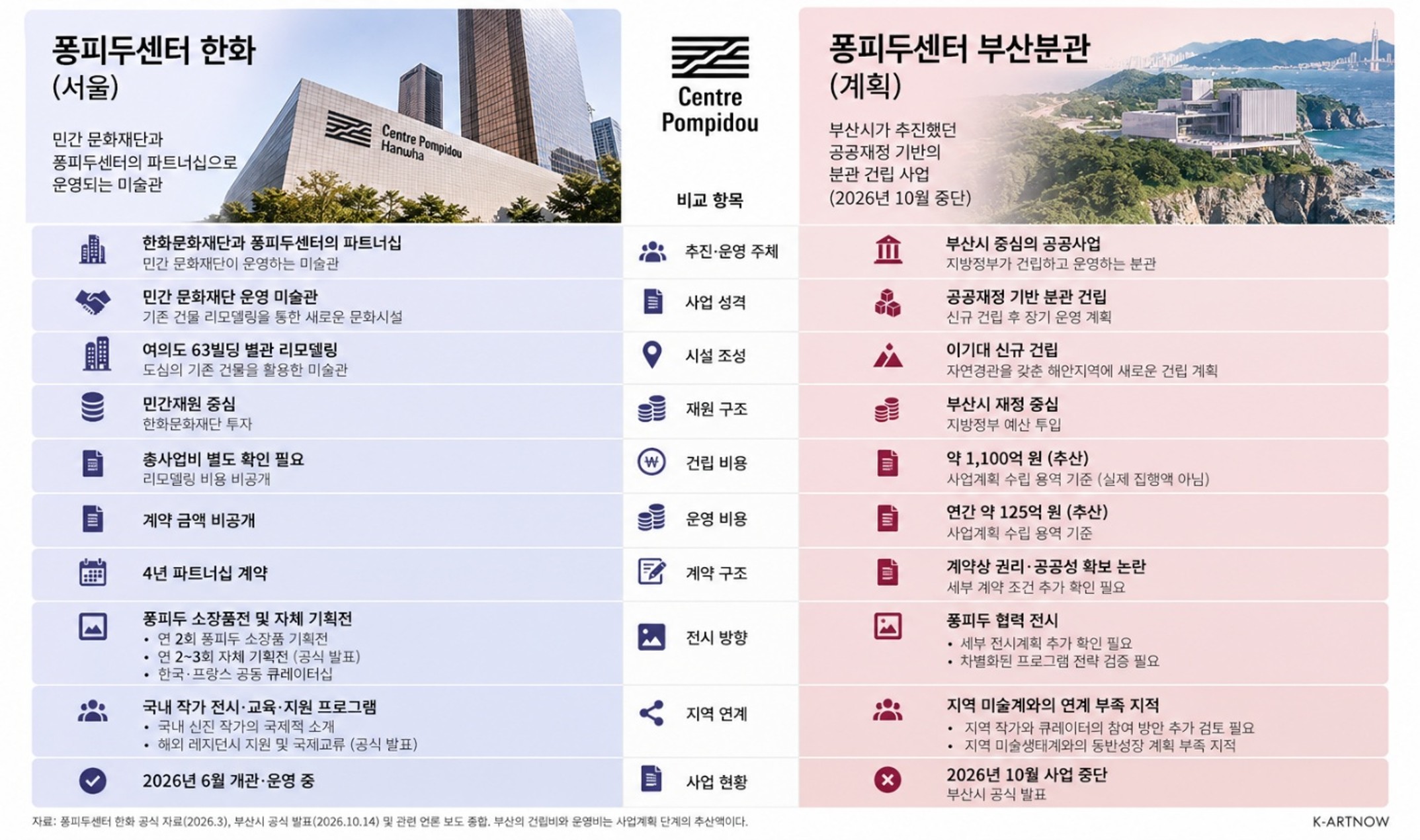
Comparison of the principal project structures and proposed operational approaches of Centre Pompidou Hanwha (Seoul) and the planned Centre Pompidou Busan branch.
The distinction between the two projects
extends beyond their sources of funding. An international museum partnership
undertaken by a private cultural foundation may be assessed primarily in terms
of its cultural contribution and operational sustainability. A publicly funded
museum, however, carries additional responsibilities concerning public access,
the appropriate use of public resources, contributions to the local art
ecosystem, and the accumulation of lasting cultural assets.
More importantly, the question is not
whether two museums bearing the same name can coexist in Seoul and Busan, but
what distinctive cultural value each institution can generate.
As an international port city, Busan has
developed its own contemporary art infrastructure through the Busan Biennale,
the Busan Museum of Art, and the Museum of Contemporary Art Busan. These
institutional and cultural foundations offered considerable potential for
developing international research and exhibition programs distinct from those
in Seoul.
The critical issue is the extent to which
that potential was translated into concrete exhibition and research programs,
as well as meaningful curatorial and institutional authority within the
proposed partnership.
Beyond presenting works from the Centre
Pompidou's collection, Busan needed a clearly articulated strategy defining
what exhibitions it would co-curate, how local artists and curators would
participate in international collaborations, and how the resulting knowledge
and experience would become lasting cultural assets for the city.
Centre Pompidou Hanwha in Seoul is not
exempt from these questions. Private funding does not automatically guarantee
meaningful cultural outcomes. Its long-term value should likewise be assessed
by the extent to which it contributes to research on Korean art and creates
substantive opportunities for international artistic exchange, rather than
simply presenting internationally renowned collections.
Internationalization Begins
with Institutional Capacity, Not Brand Recognition
The establishment of branches of
internationally renowned museums has been adopted by cities around the world as
a strategy for strengthening cultural competitiveness. Such initiatives can
offer clear benefits by providing local audiences with access to major
international collections and exhibitions while creating opportunities to
develop networks with cultural institutions abroad.
However, for these partnerships to produce
sustainable cultural outcomes, they require institutional frameworks that
extend beyond the prestige of an established museum brand.
Borrowing works from an overseas museum for
temporary exhibitions and developing a local museum's independent research and
curatorial capabilities are fundamentally different undertakings. The former
provides opportunities to encounter internationally significant artworks; the
latter establishes the foundations for continuously generating new cultural
value.
The viability of the proposed Centre
Pompidou branch in Busan should therefore have been assessed through more than
projected visitor numbers or tourism revenue. Equally important were the degree
of curatorial authority Busan would have secured, the knowledge and expertise
it could have accumulated through joint research and exhibition production, and
the extent to which those achievements would have remained within the local
cultural ecosystem after the partnership ended.
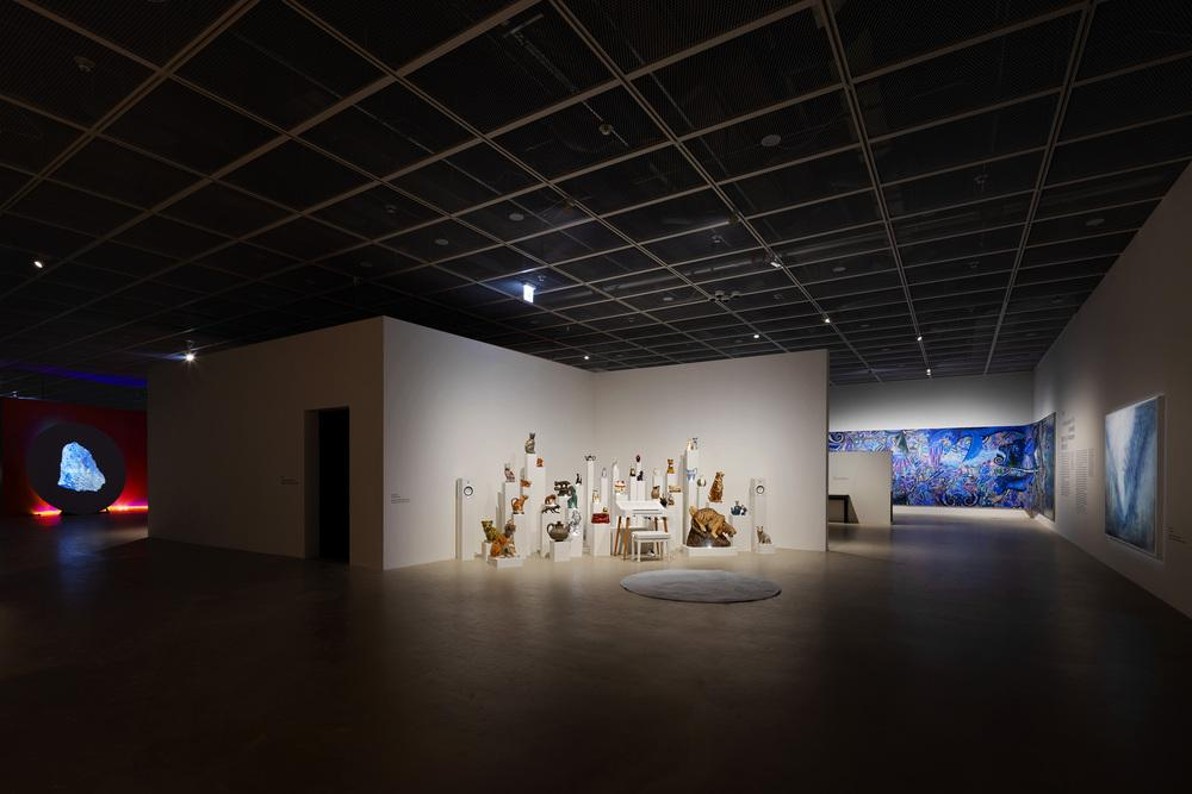
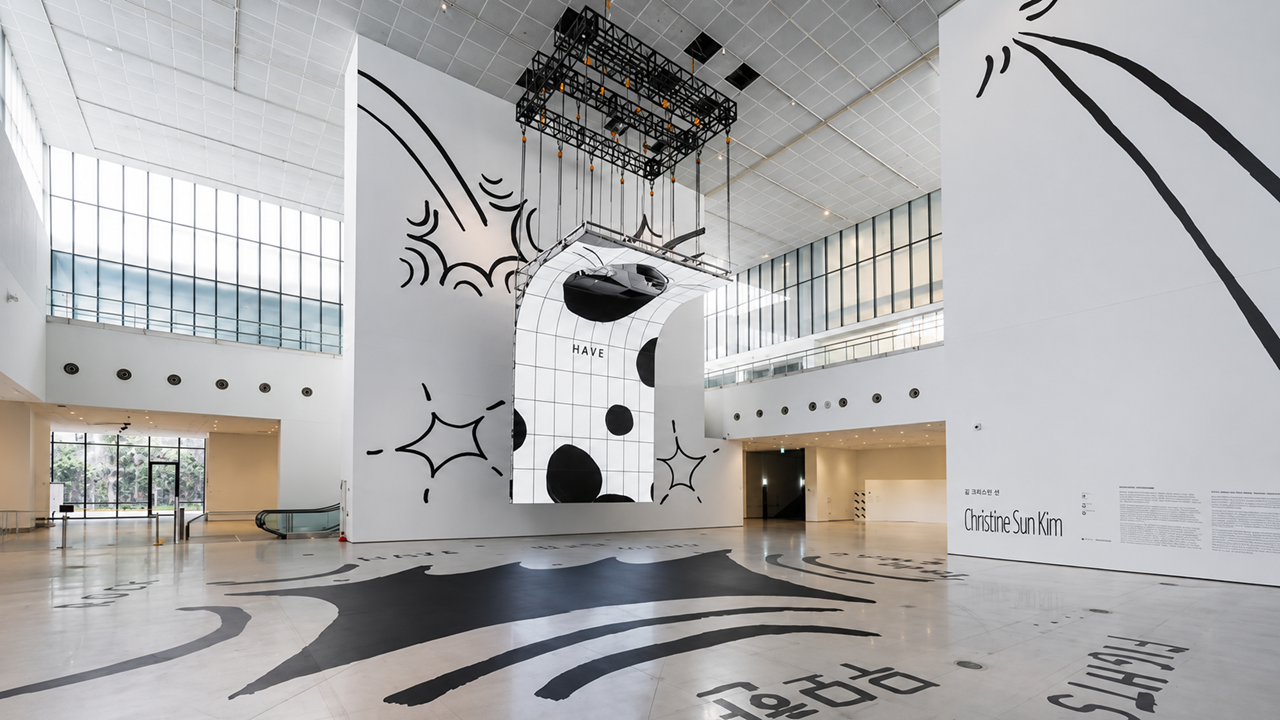
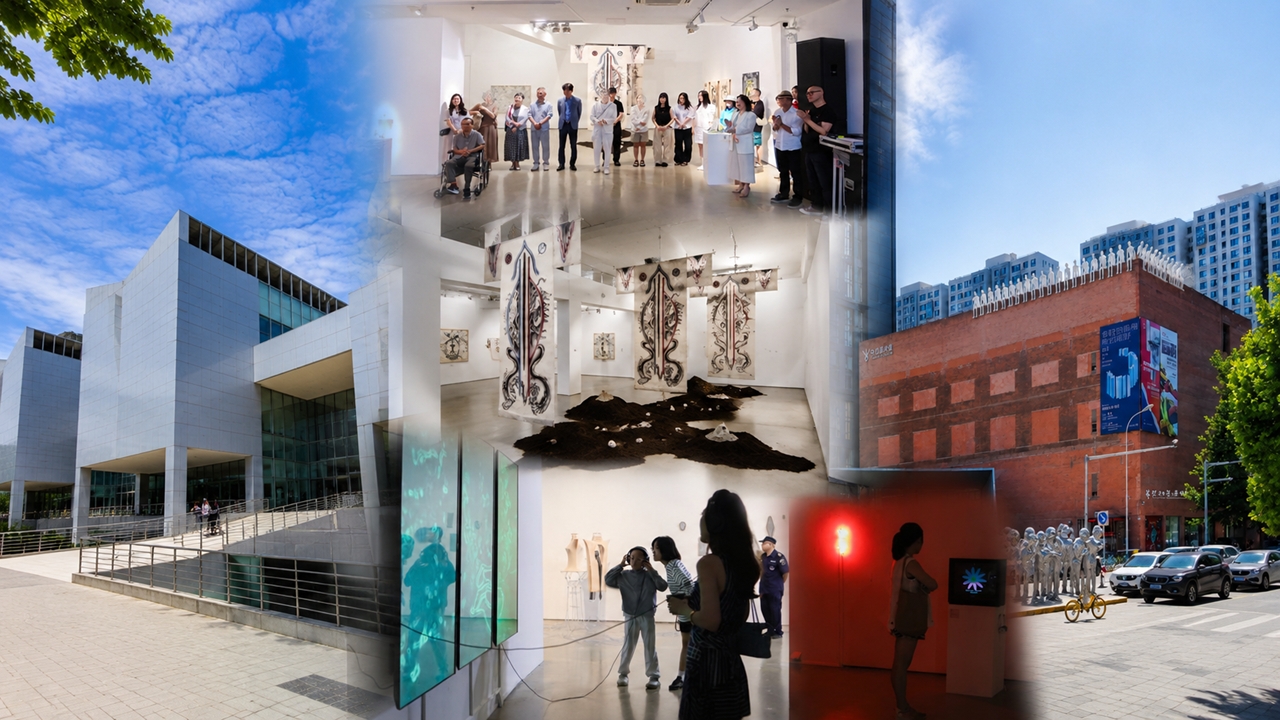
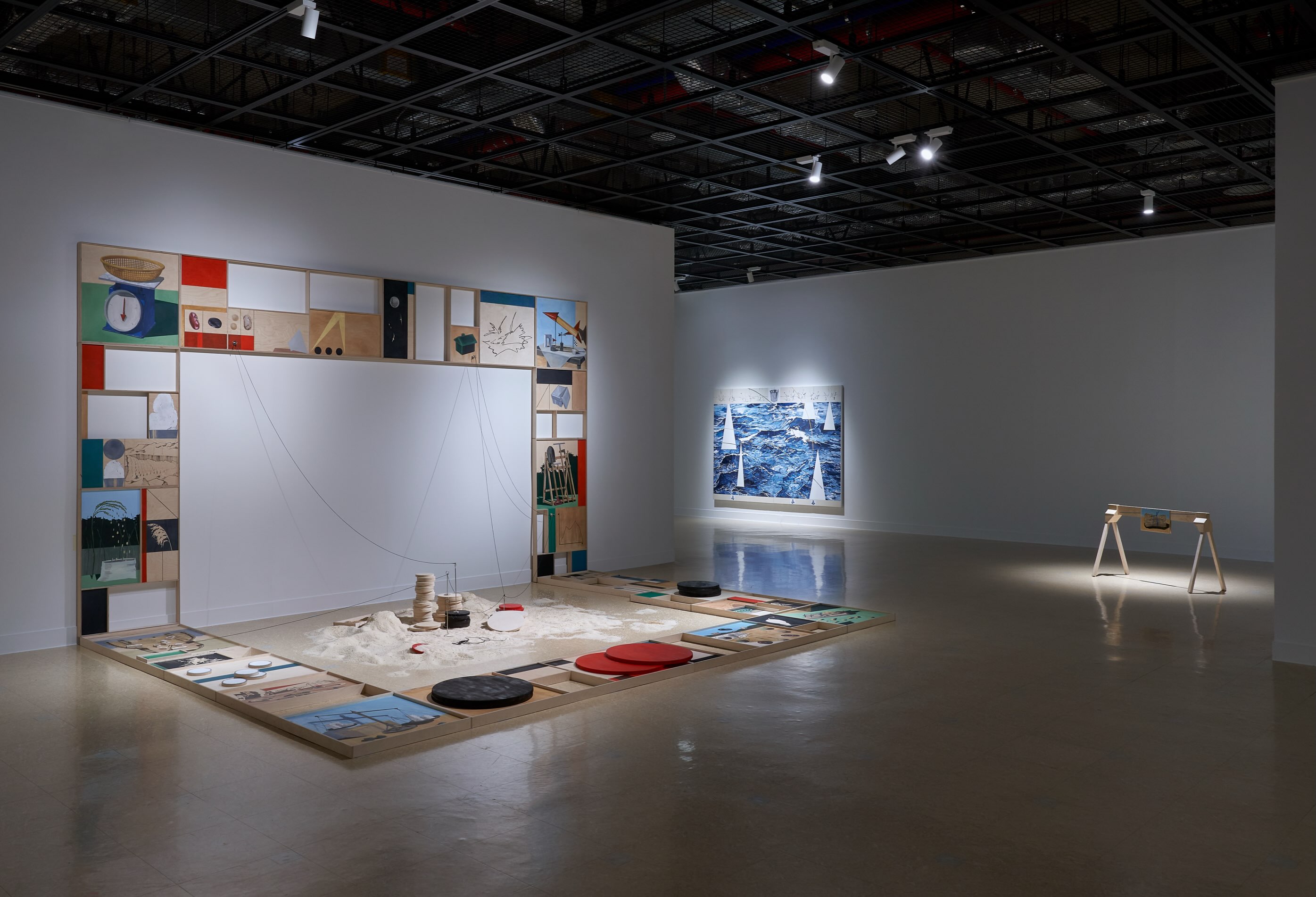
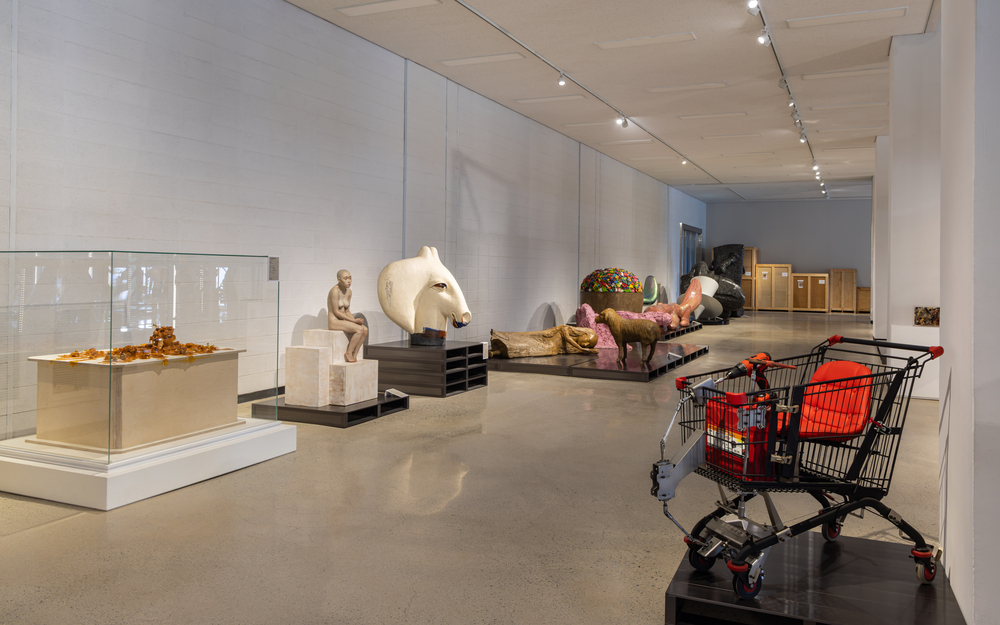
Installation view of a special exhibition marking the reopening of the Busan Museum of Art, 2026. / Photo: Busan Museum of Art.
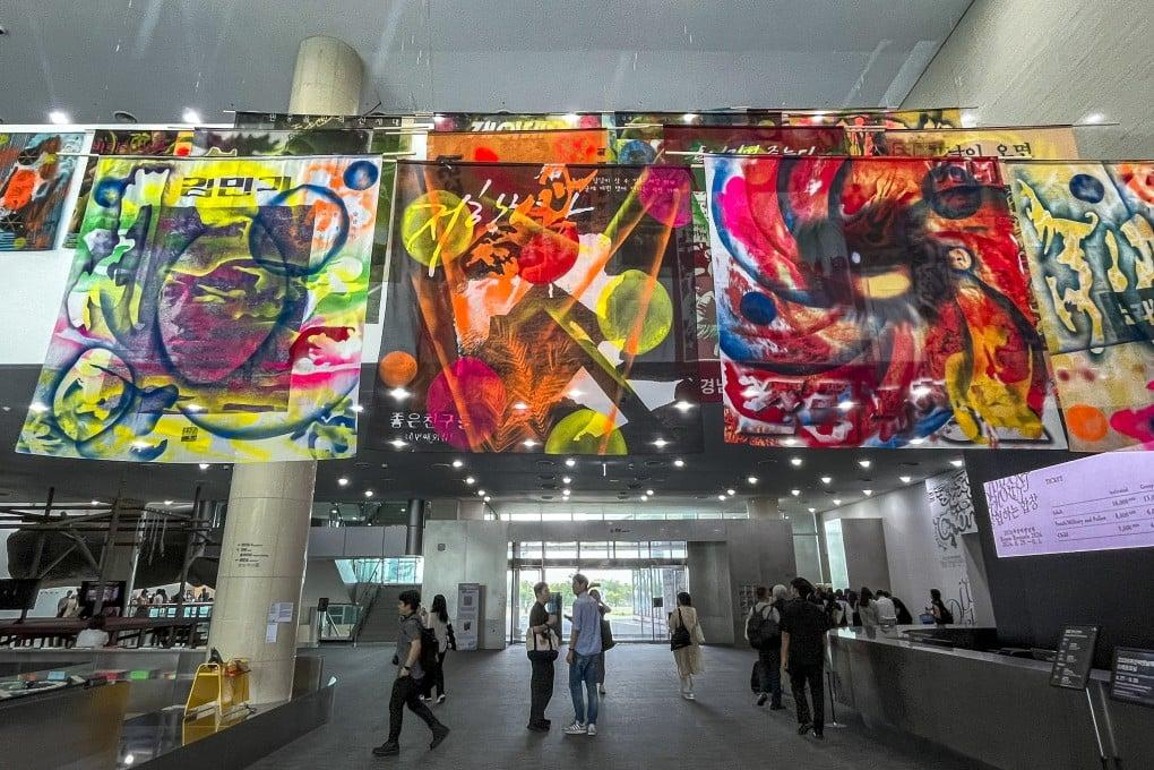
Installation view of the 《2026 Busan Biennale》 at the Museum of Contemporary Art Busan, August 29–November 1, 2026. / Photo: South China Morning Post.
What Kind of Museums Does Busan
Need?
Busan already possesses an established
public museum infrastructure through the Busan Museum of Art and the Museum of
Contemporary Art Busan. The city has also accumulated substantial experience in
presenting international contemporary art and fostering artistic discourse
through the Busan Biennale.
Against this backdrop, Busan's museum
policy requires a long-term strategy that considers not only the attraction of
international museum brands but also the respective roles of its existing
institutions, the ways in which they can collaborate, and how they can
collectively develop the city's distinctive cultural identity.
In particular, a coordinated framework
connecting the research, exhibitions, and archives of the Busan Museum of Art,
the Museum of Contemporary Art Busan, and the Busan Biennale would be valuable.
If the international discourse and research generated through the biennale were
integrated into the collecting, research, and educational programs of local
museums, Busan could develop a more distinctive and sustainable presence in the
international art world.
From Importing Museum Brands to
Producing Cultural Value
Alongside its decision to cancel the
project, the Busan municipal government announced plans to strengthen the
exhibition, research, and collecting capabilities of its existing public
museums, expand exchanges with leading international institutions, and develop
a multipurpose cultural and exhibition facility in the North Port area with
national government funding.
It would be premature to characterize the
cancellation either as a failure of international museum development policy or
as a success for local cultural policy. What matters is how the city implements
its newly announced direction. Increased research budgets and professional
staffing at existing public museums, expanded acquisitions and international
co-curated exhibitions, and stronger support structures for local artists and
curators must translate into concrete policies and measurable outcomes.
Partnerships with internationally renowned
museums can be effective strategies for strengthening a city's cultural
competitiveness. Their value, however, should be measured less by the prestige
of the institutions involved or the scale of their exhibitions than by the
lasting cultural assets and professional capabilities they help develop
locally. Busan's approach to internationalization should likewise move beyond
attracting prestigious museum brands toward generating new contributions to the
international art world through independent research and curatorial practice.
Ultimately, the international standing of
Korean museums should be measured not by the number of world-renowned
institutions they attract, but by their capacity to generate new knowledge,
critical discourse, and artistic value that contribute to the global art world.
The cancellation of the Centre Pompidou Busan project leaves a
fundamental question: How can Korea build museums capable of making such
contributions?
References
1. Busan Metropolitan Government, “Pompidou
and La Scala: A Shift in Direction Toward Strengthening Local Cultural
Capacity,” October 14, 2026.
2. Yonhap News Agency, “Busan Drops Plans
for Centre Pompidou Branch and La Scala Performances,” October 14, 2026.
3. Centre Pompidou Hanwha, Official Press
Release Announcing the Museum's Opening, March 30, 2026.
4. Centre Pompidou Hanwha, Official Website
and Museum Information, 2026.
Jay Jongho Kim graduated from the Department of Art Theory at Hongik University and earned his master's degree in Art Planning from the same university. From 1996 to 2006, he worked as a curator at Gallery Seomi, planning director at CAIS Gallery, head of the curatorial research team at Art Center Nabi, director at Gallery Hyundai, and curator at Gana New York.
From 2008 to 2017, he served as the executive director of Doosan Gallery Seoul & New York and Doosan Residency New York, introducing Korean contemporary artists to the local scene in New York. After returning to Korea in 2017, he worked as an art consultant, conducting art education, collection consulting, and various art projects.
In 2021, he founded A Project Company and is currently running the platforms K-ARTNOW.COM and K-ARTIST.COM, which aim to promote Korean contemporary art on the global stage.