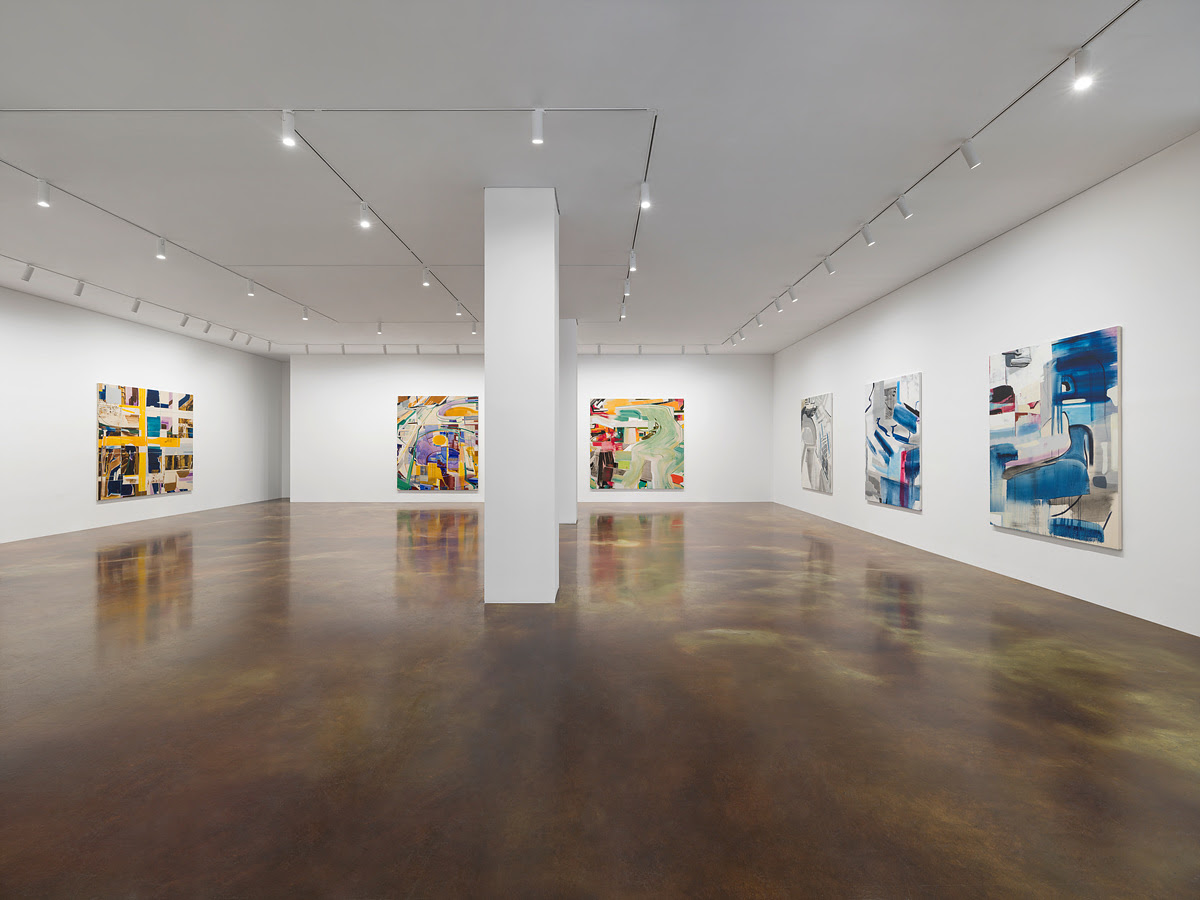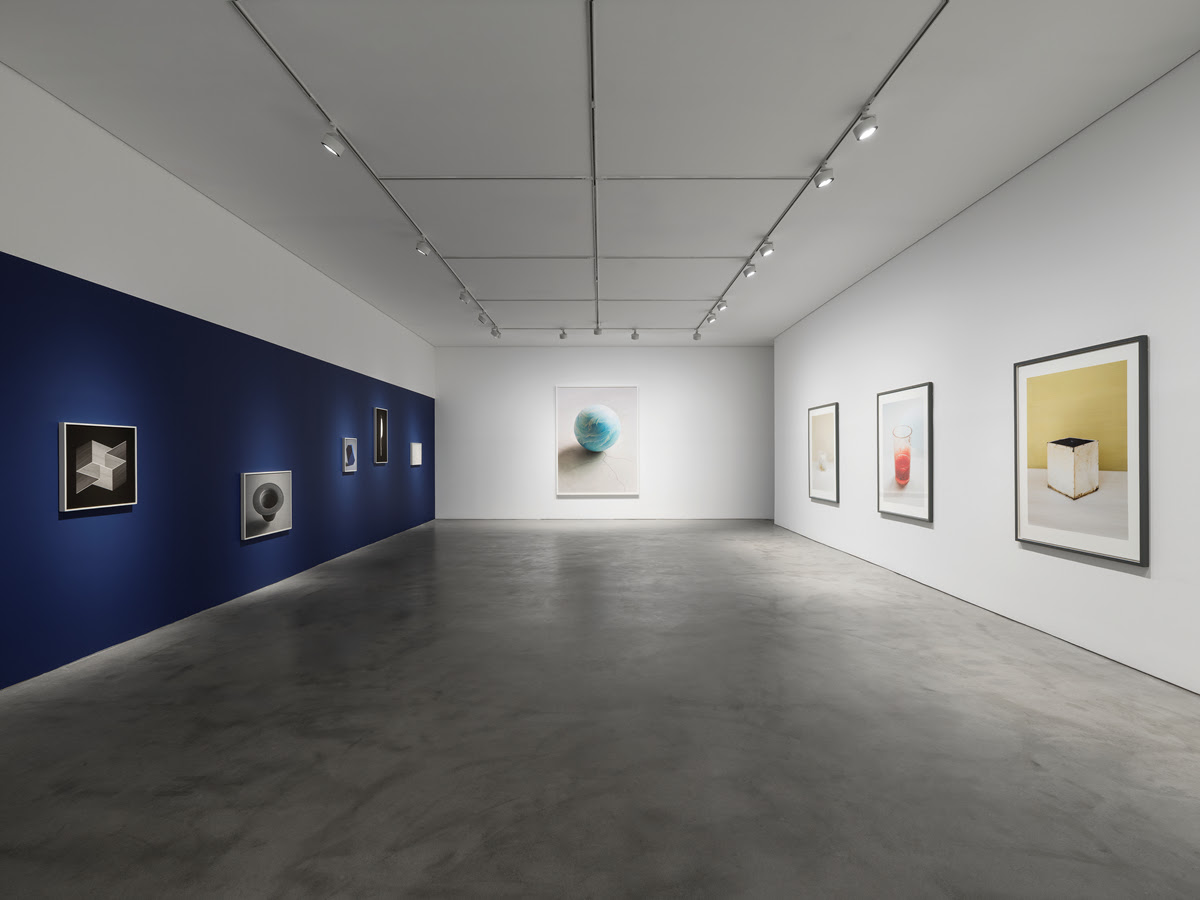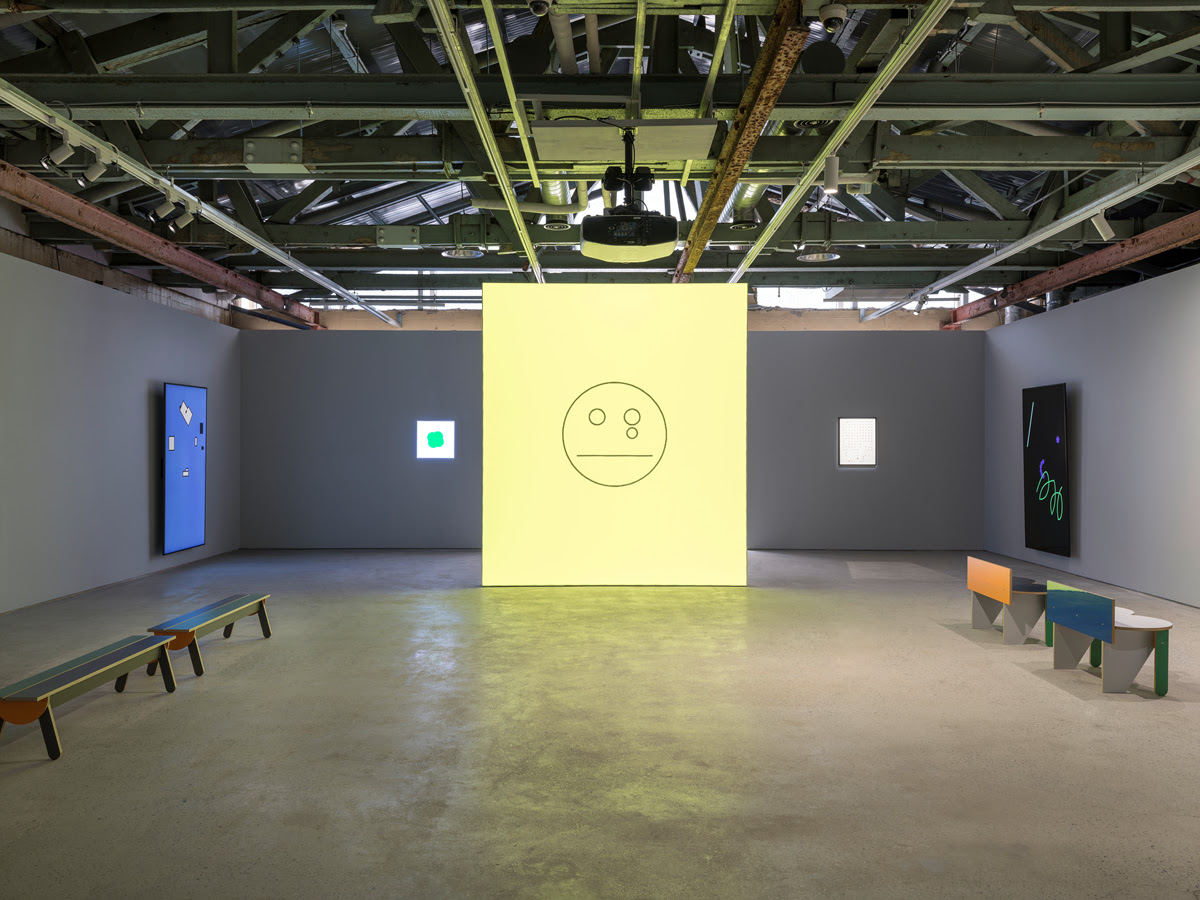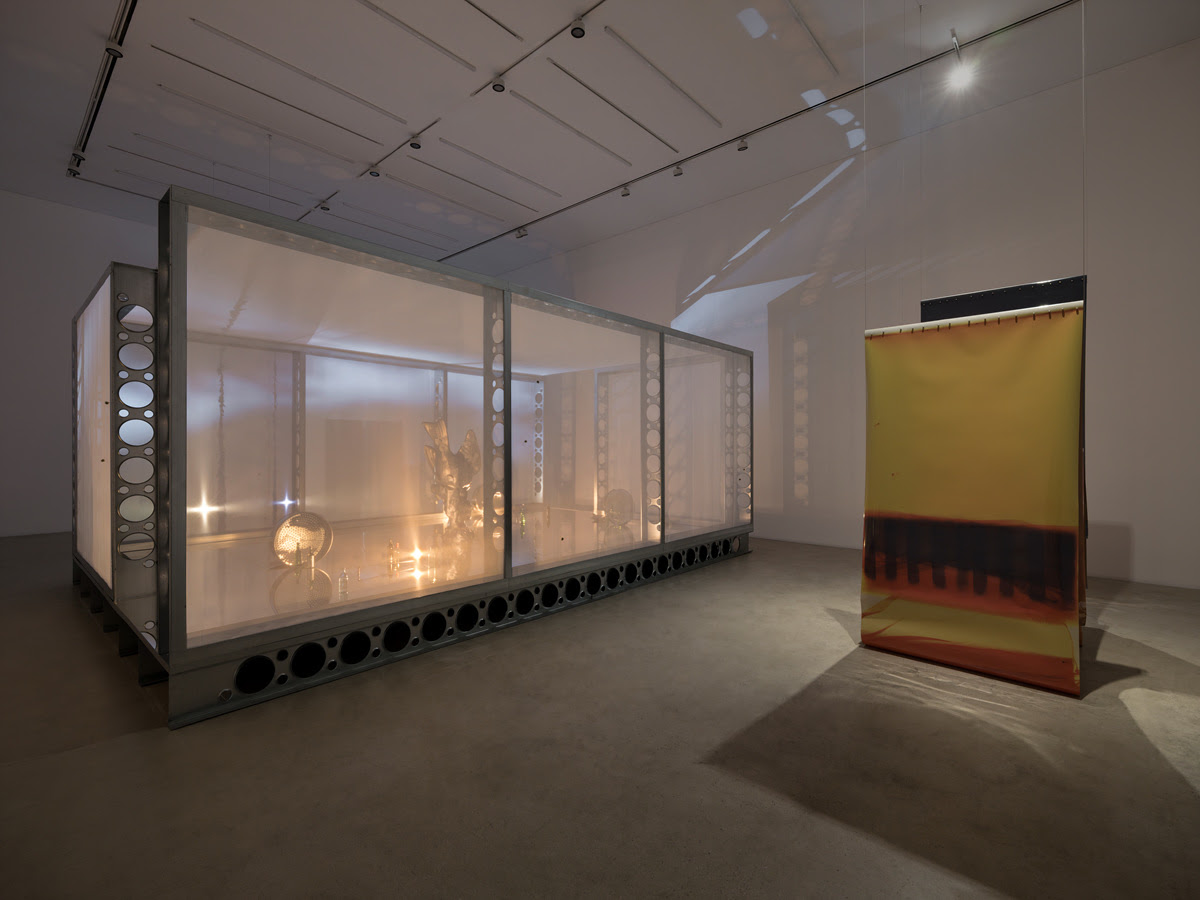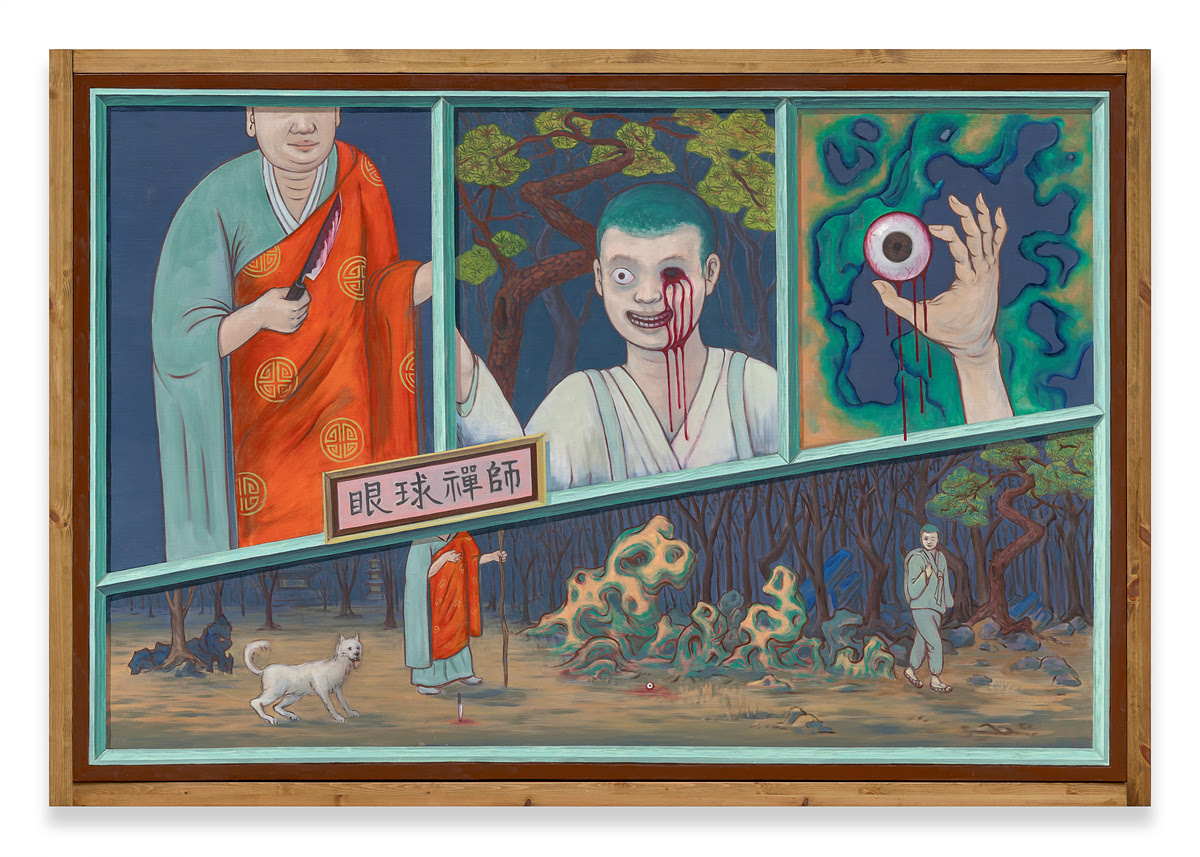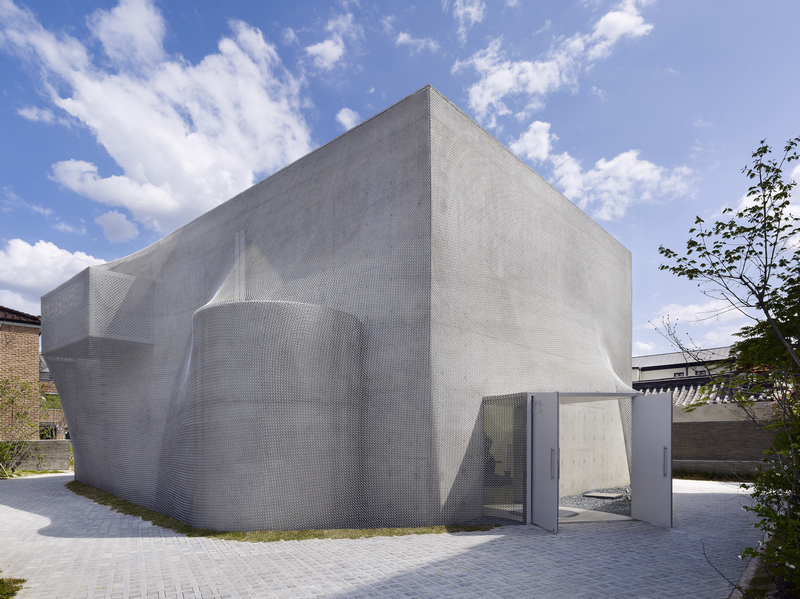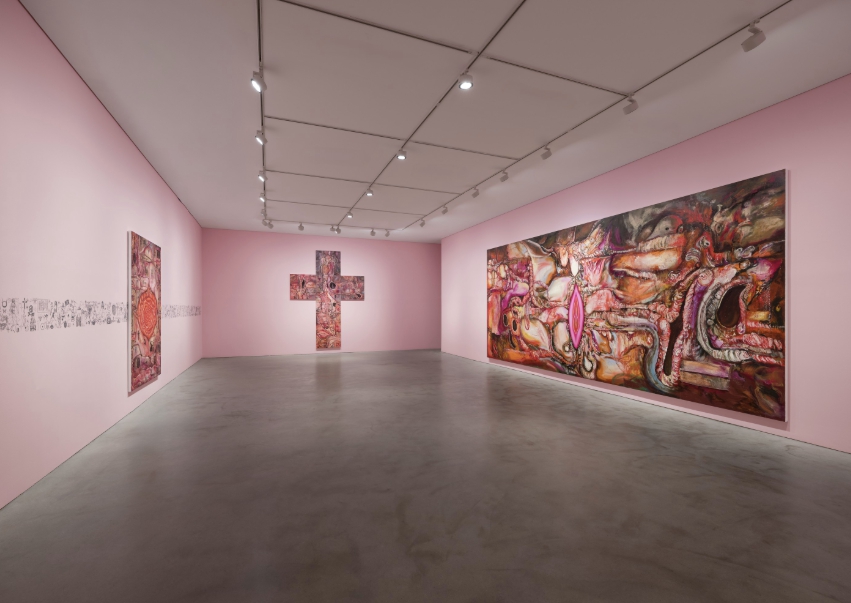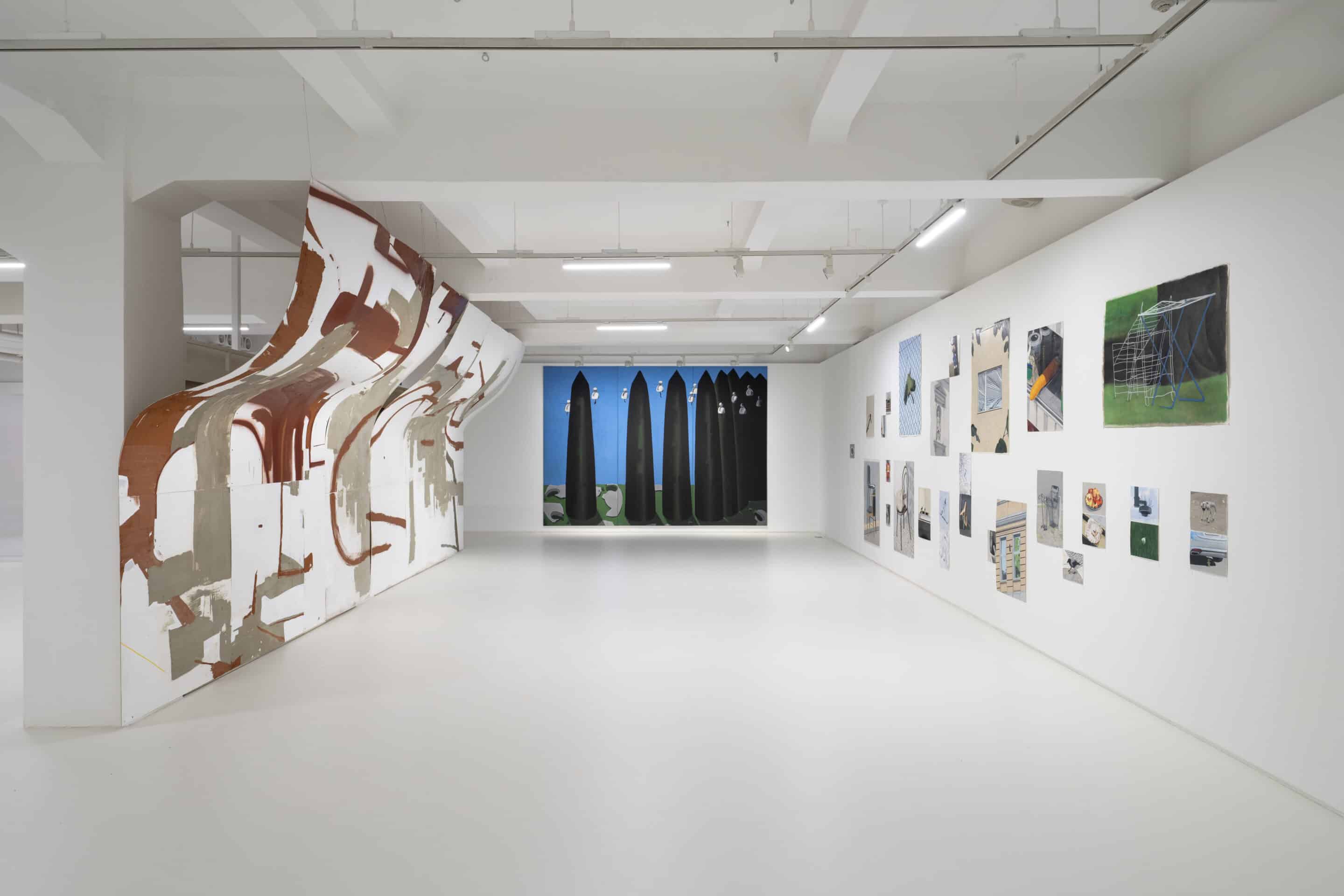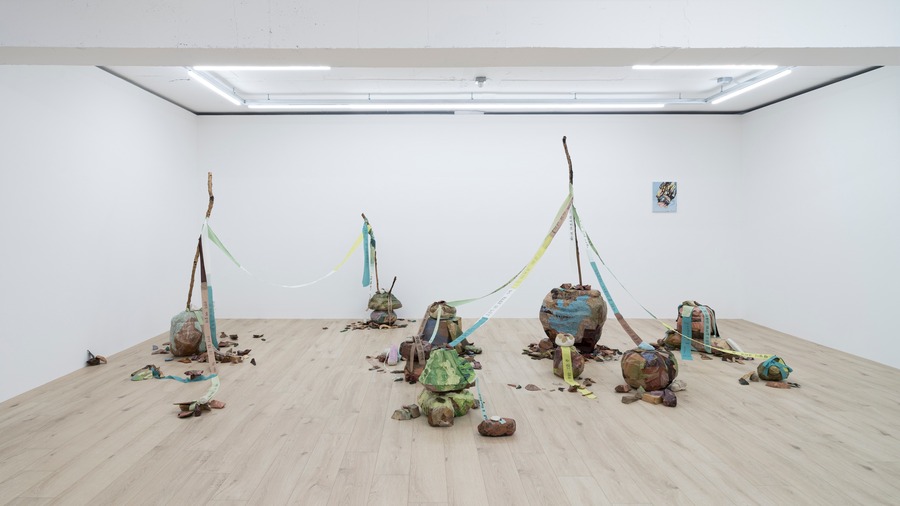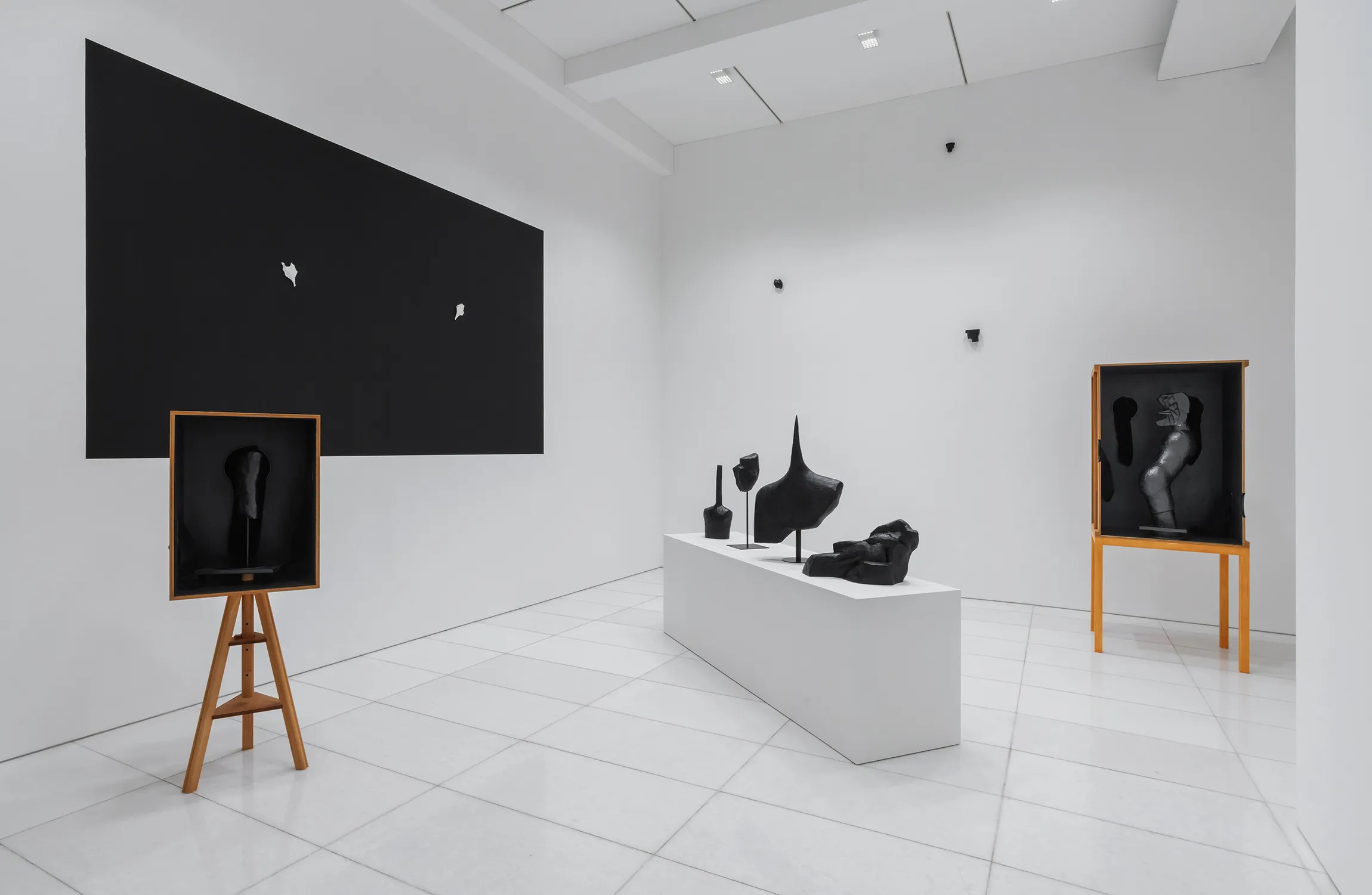

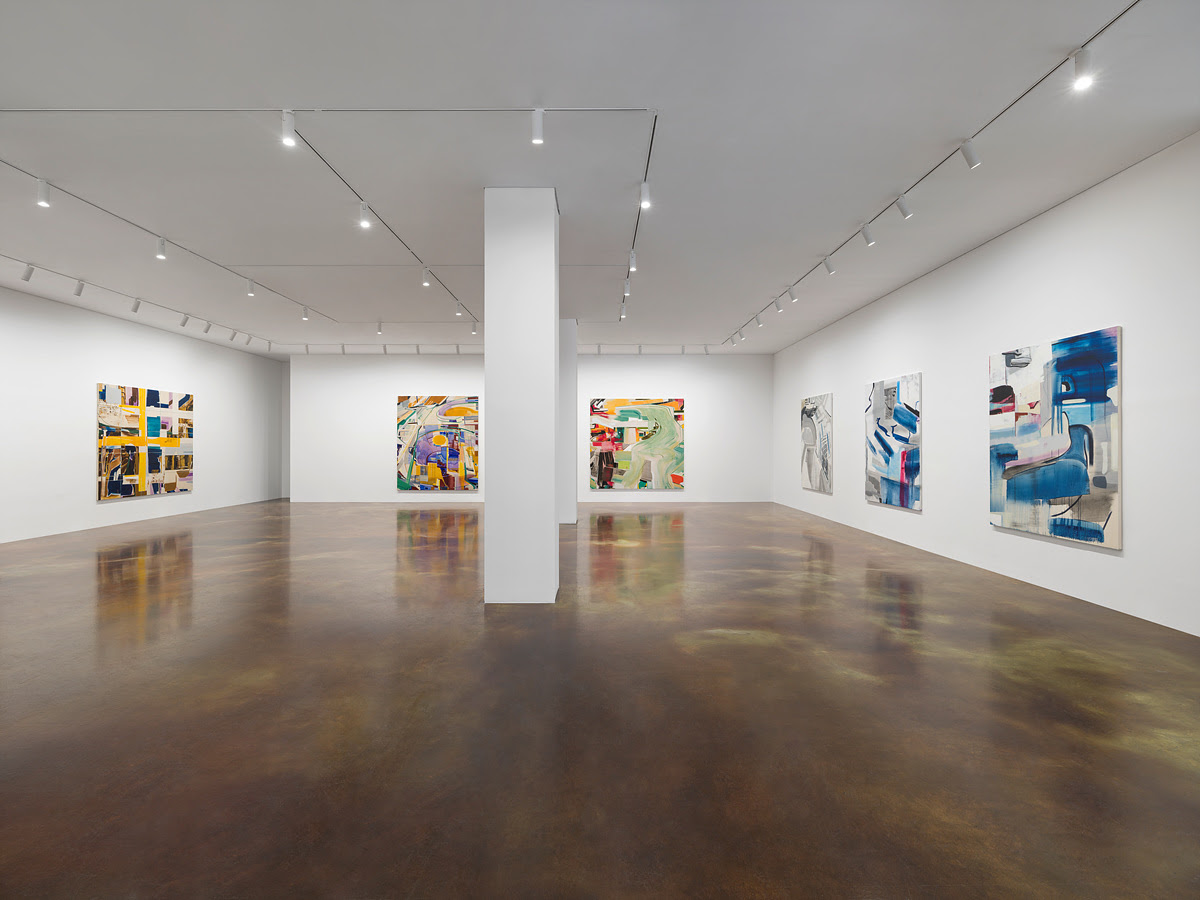
Installation view of 《Pictos and Pitwall》 ⓒ Kukje Gallery
Kukje Gallery presents 《Pictos and Pitwall》, a solo exhibition by Seeun Kim, on view through October 18, at K2.
Kim focuses on the various systems and
rules within our built urban spaces that continuously renew themselves,
independent of the speed at which an individual’s mind and body react. The
artist composes these environments into painting through the “body that
paints,” reconstructing the shifting states of the city in compositions that
are both sensory and opaque.
The term “pit wall” in the exhibition
title refers to the command center that evaluates situations and directs
strategies in real time during an F1 race, while “picto”—abbreviated from
pictogram—evokes the visual language that transmits these bits of compressed
information in ways that constitute a basic language.
Centering on these two motifs, Kim
conceives the gallery space—from the second floor to the first floor of K2 and
into the outdoor courtyard—to visualize the individual’s response to
information.
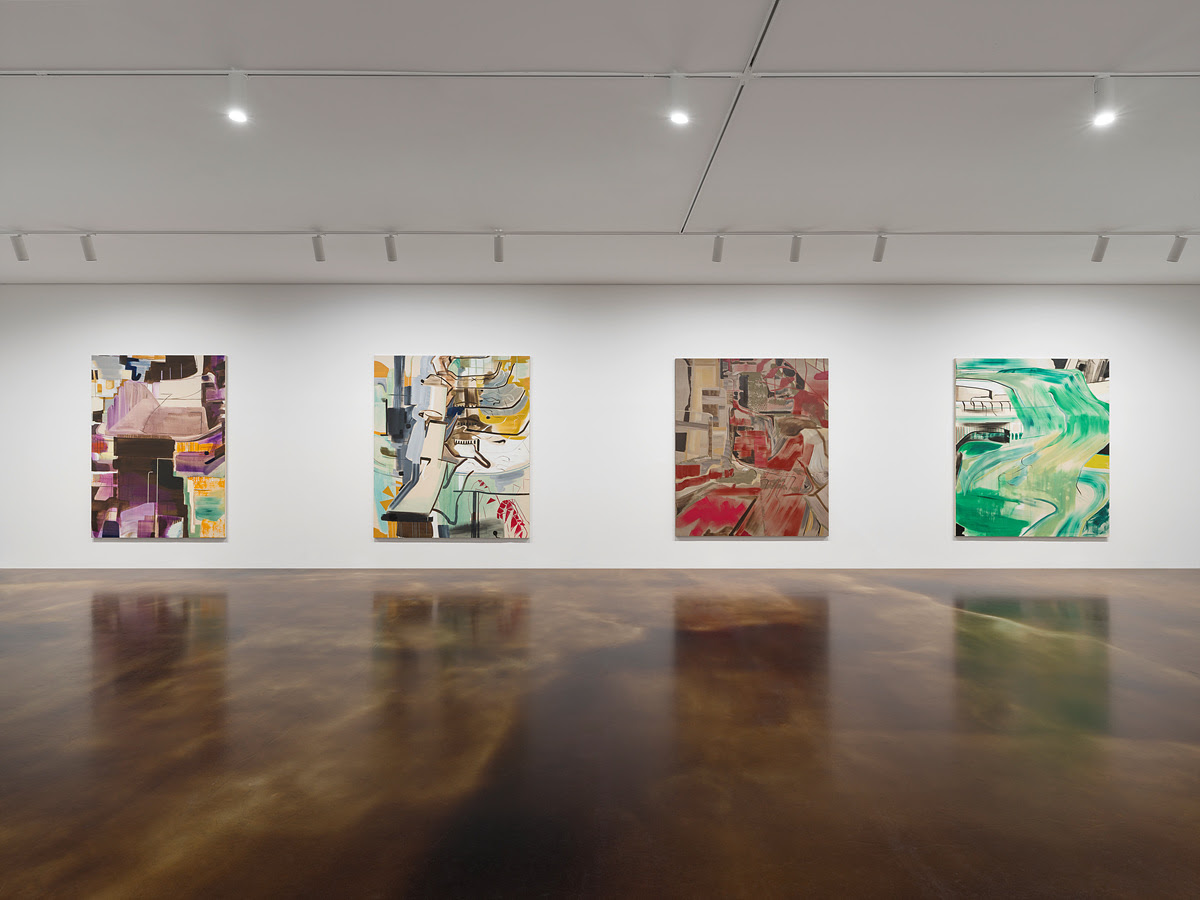
Installation view of 《Pictos and Pitwall》 ⓒ Kukje Gallery
The second floor of K2 is devoted to works that collect
and process information about the changing city. Various images that capture
different aspects of the city—including maps, live traffic camera feeds, and
photographs—are interwoven into a singular system of control. By connecting
indirectly collected social data with her personal experience, the artist seeks
to interpret today’s rapidly changing urban landscapes.
For Kim, a sense of location is not merely about
situating oneself, but a means of understanding the relationship between the
physical body and its surrounding environment within a shifting milieu. This
gestalt experience can be glimpsed in the paintings on the first floor, which
capture the artist’s personal experience of landscapes undergoing
transformation.
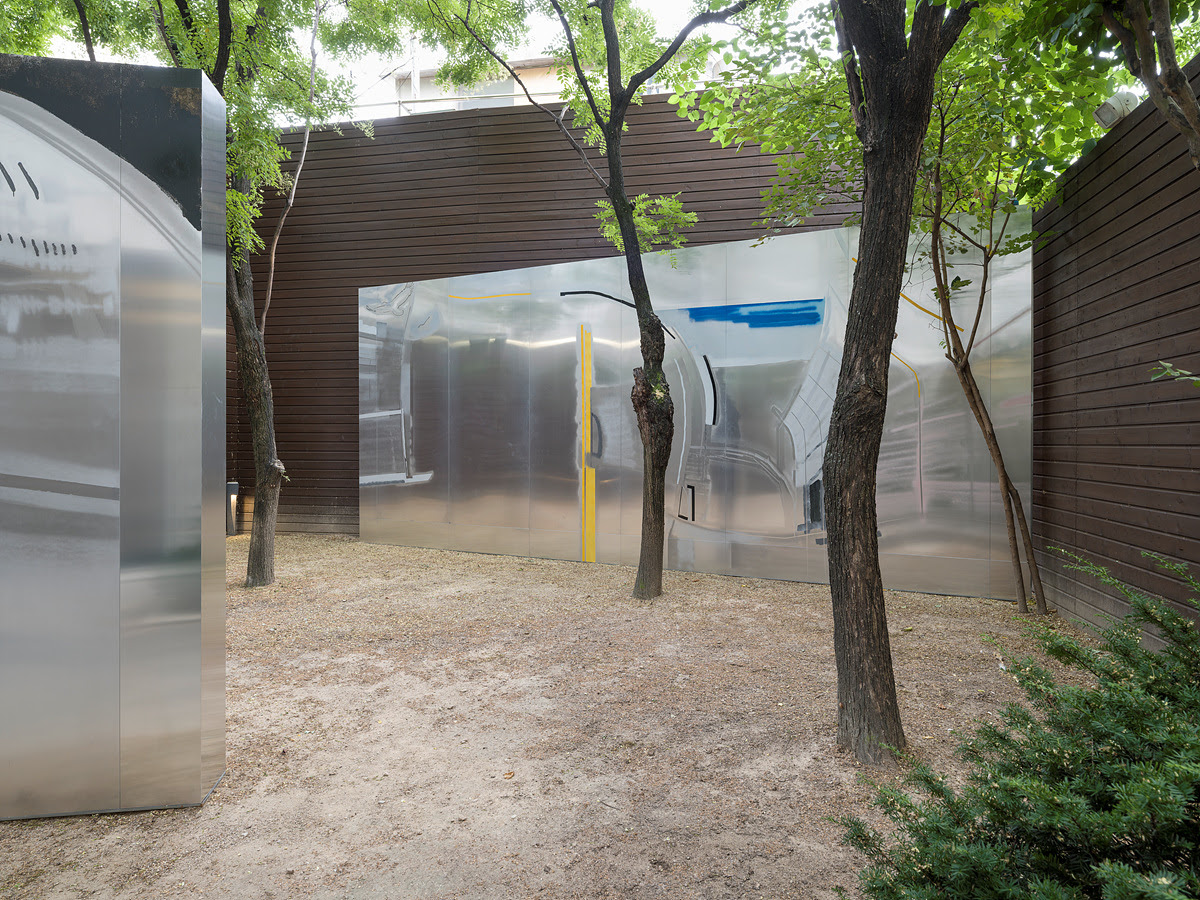
Installation view of 《Pictos and Pitwall》 ⓒ Kukje Gallery
In the courtyard outside the K2 building, Kim extends her
exploration of the senses of the distance between the city and the body across
the walls. Viewers encounter the images previously experienced indoors in the
outdoor courtyard, where they experience them anew in a three-dimensional
setting and become more physically conscious of the space they currently
inhabit.
This spatial transformation links to the artist’s
methodology of investigating the relationship between painting and the body. By
modulating the scale of the canvas, Kim creates unfamiliar physical conditions
and traces the resulting shifts in perception. Ultimately, Kim proposes a kind
of “pit wall” enabling individuals inundated with data and choices to pause,
sense, and assess their own positions.