






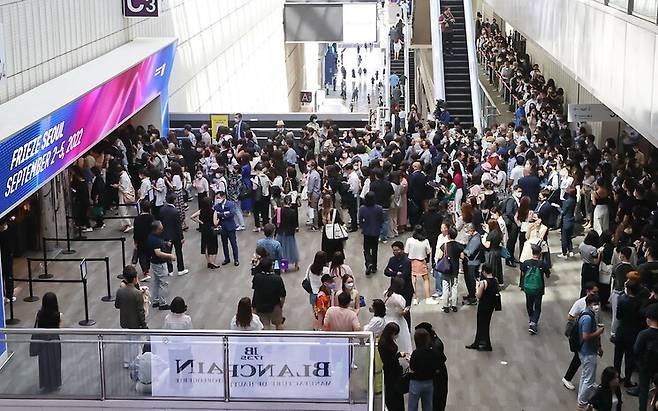
The news in 2022 that Frieze, a globally prestigious art fair, would be held in Seoul for the first time was both a breath of fresh air and a cause for concern within the Korean art world. On the one hand, it was a positive sign that Korea was being recognized for its potential as a hub in the Asian art market. On the other hand, there were worries that Korea's relatively underdeveloped art market could be overshadowed by Western art fairs backed by massive capital.
2024.09.03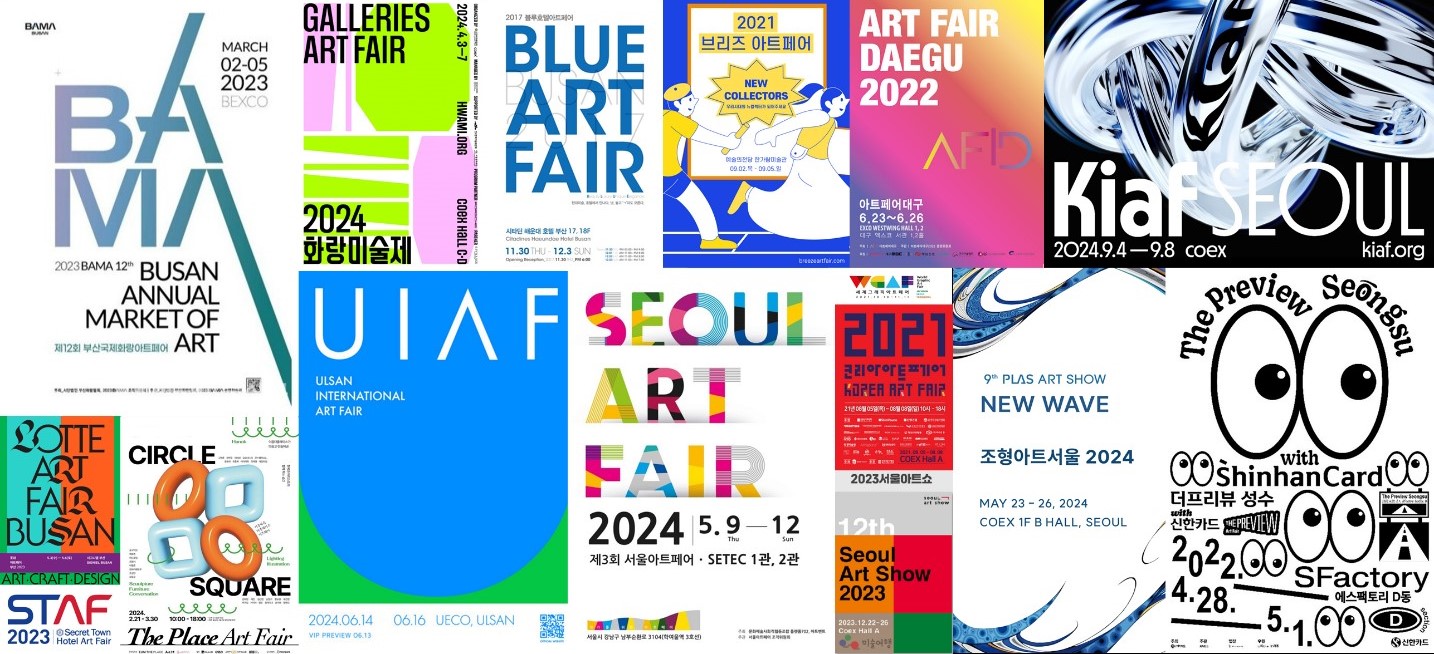
September's hot topic revolves around the joint hosting of the Kiaf and Frieze art fairs, providing a perfect backdrop to discuss the recent art fair boom sweeping through South Korea's art scene, which we'll explore in a three-part series.
2024.08.27
Contemporary art today encompasses a wide range of cultures, histories, and social experiences. Artists from Asia, the Middle East, Latin America, and Africa are active in international biennials, museums, galleries, and art markets. Histories and cultures that received insufficient attention within Western-centered accounts of art history have also become important subjects of contemporary art.
2026.10.13
To consider the future of Korean contemporary art, we must first examine the structures and standards through which the global art world operates today. Over the past century, Korean modern and contemporary art has developed by absorbing artistic forms, concepts, and institutions that originated in the West and transforming them within Korea’s own historical and social conditions. Today, however, the situation is different.
2026.09.29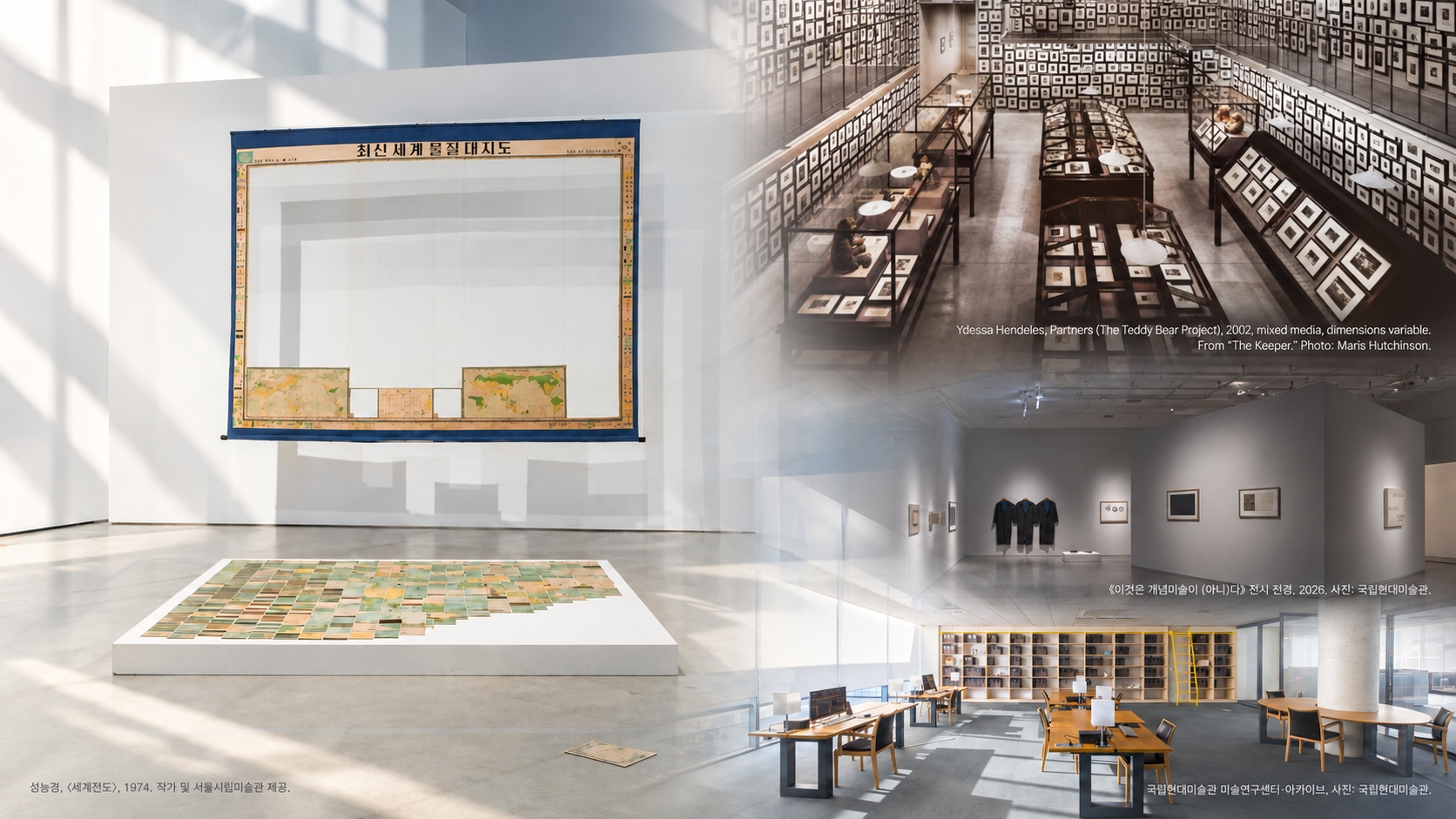
Moving beyond Orientalism entails more than shifting the center from the West to Asia. It requires transforming the structure through which particular actors have classified and evaluated the art of other regions, while developing new values and criteria grounded in diverse histories and experiences. What is needed is a new system of knowledge—one that recognizes the achievements of Western art history as a shared global legacy without treating them as the sole standard of judgment.
2026.09.08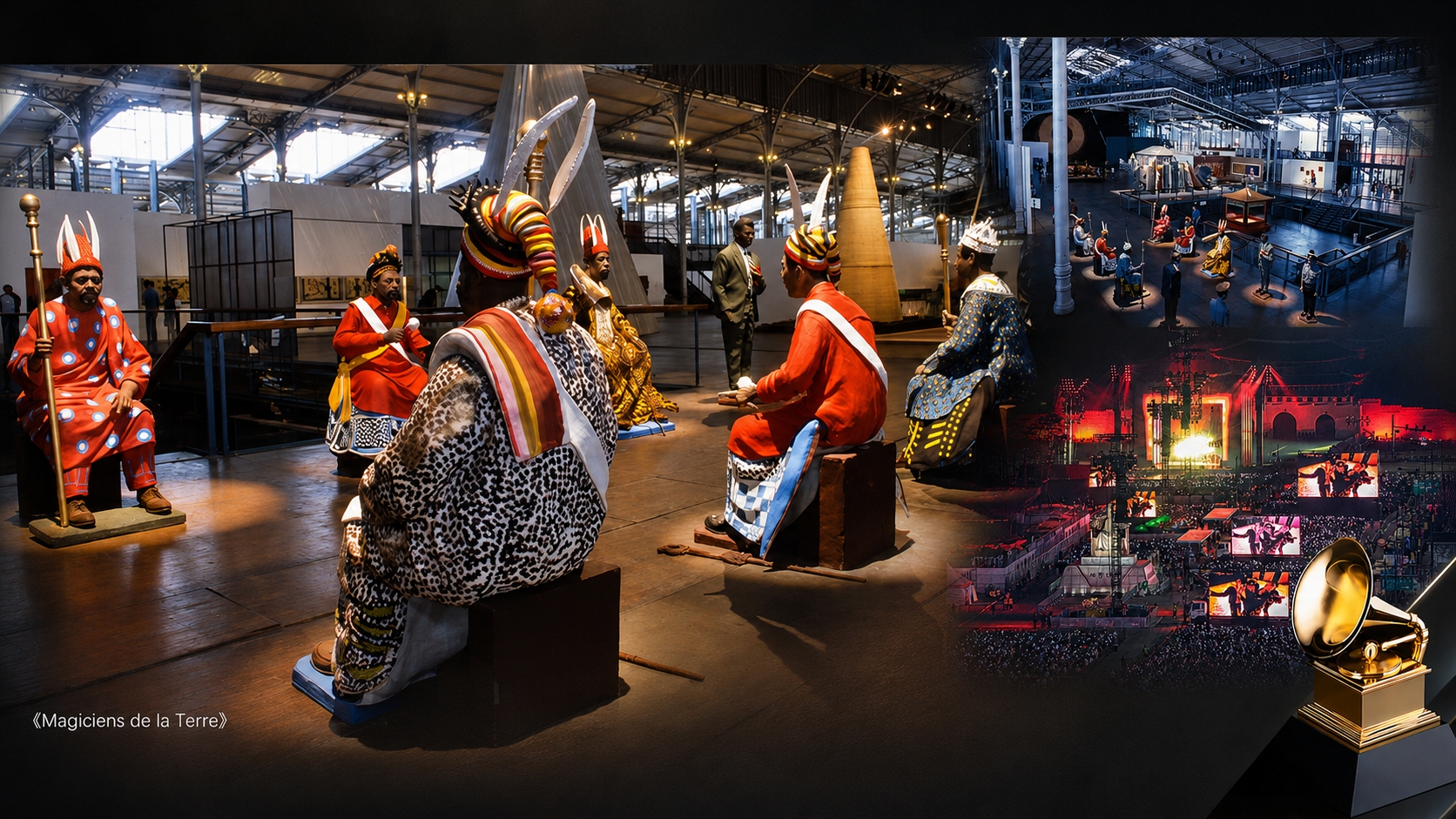
BTS emerged in Korea and developed within the cultural and industrial framework of K-pop. Yet the market in which its music is produced and consumed, as well as its audience and influence, moved beyond Korea’s geographical boundaries long ago.
2026.08.25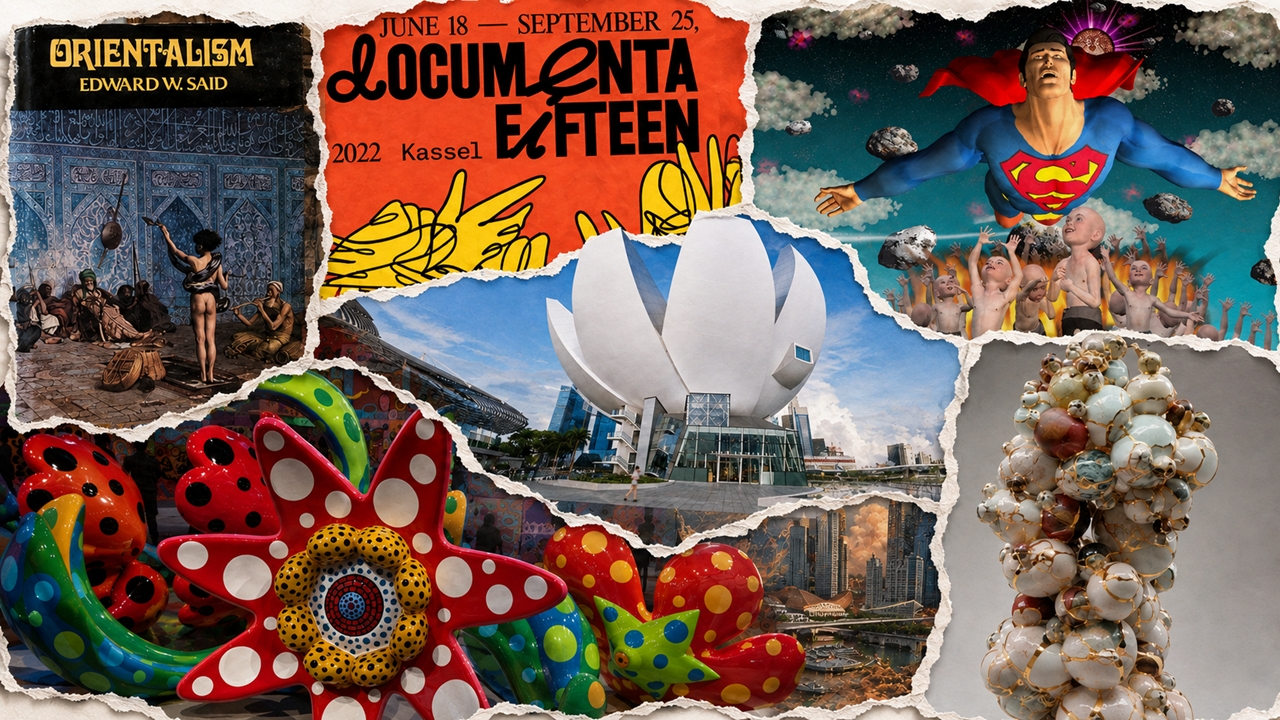
“Asian contemporary art” does not refer to a single shared style or aesthetic. Korea, China, Japan, and the countries of Southeast Asia each have distinct histories, political and social conditions, art institutions, and markets.
2026.08.11
The Anachronism series began by examining how Korean art has continued to understand and organize itself under changing conditions through languages, institutions, and models of success inherited from the past. It considered the recurring tendency to reproduce earlier
2026.07.28